
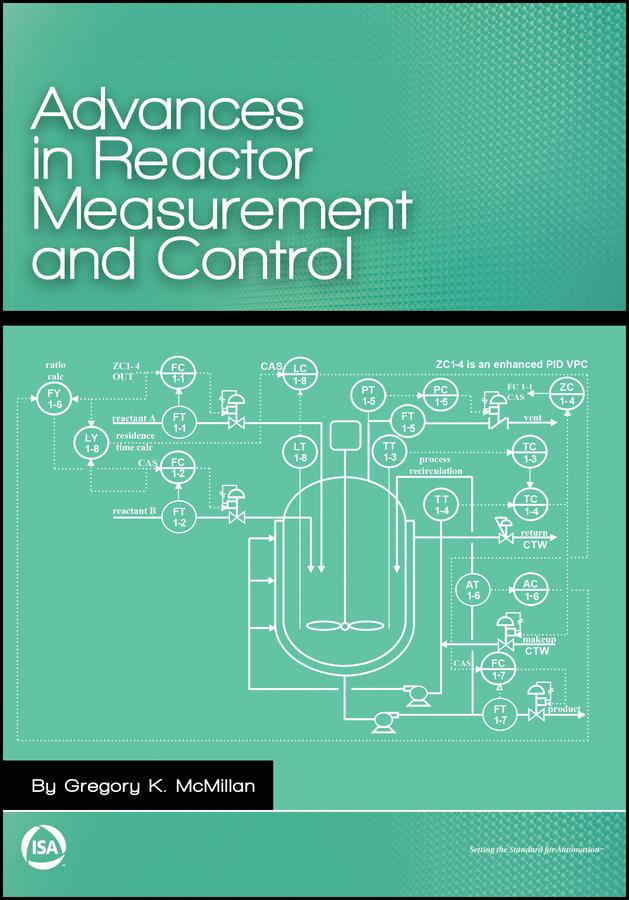
Advances in Reactor Measurement and Control explains how control system design can address the different process responses and fundamental characteristics of the main reactor types in the process industry. This book helps readers understand the measurements, control strategies, controller features and tuning parameters needed to achieve process goals for a specific types of reactors. It begins with the fundamentals and principles necessary to achieve optimal reactor and control system performance. Additionally, it covers design, implementation and support of straightforward configurations based on the type of process and equipment.
Written from a practical perspective, this book educates readers through the experience and perspective of a practitioner, outlining general concepts and details that span the field, from the control room to the reactor, with a focus on the controlling and optimizing of both batch and continuous reactors.
"Taking a practitioner's approach, I believe, is unique," McMillan says. "The concepts in this book are developed to help the reader understand the fundamental differences in reactor applications and improve the performance of nearly all types of reactors. This book is unique in providing readily configurable, practical solutions for batch and fluidized bed reactors, in addition to the more traditional continuous stirred tank reactors."
—Gregory K. McMillan
McMillan goes on to say that the book's practical value is reinforced through its:
- Simple presentation of the characteristics and implications of each of the dynamic responses needed to achieve the necessary efficiency, capacity, quality and safety in operation.
- Clear explanation of the PID features and tuning and control loops needed for addressing the lack of smoothing in dead time dominant processes and the lack of negative feedback in integrating and runaway processes.
Paga facilmente con carta, Klarna, Apple Pay o Google Pay. Non sei soddisfatto? Hai sempre 14 giorni per il rimborso. Leggi di più nei nostri termini. Per qualsiasi domanda, scrivici a hello@memmo.org.
Memmo rende lo studio più facile, ovunque tu sia nel mondo. Qui trovi i tuoi libri di testo e strumenti di studio intelligenti, tutto in un unico posto: riassunti, quiz, podcast e flashcard. E poi c'è Ted, il tuo compagno di studio che risponde a ogni tua domanda. Oltre 50.000 studenti studiano già qui: è stato creato per aiutarti a imparare più velocemente e a stressarti meno.