
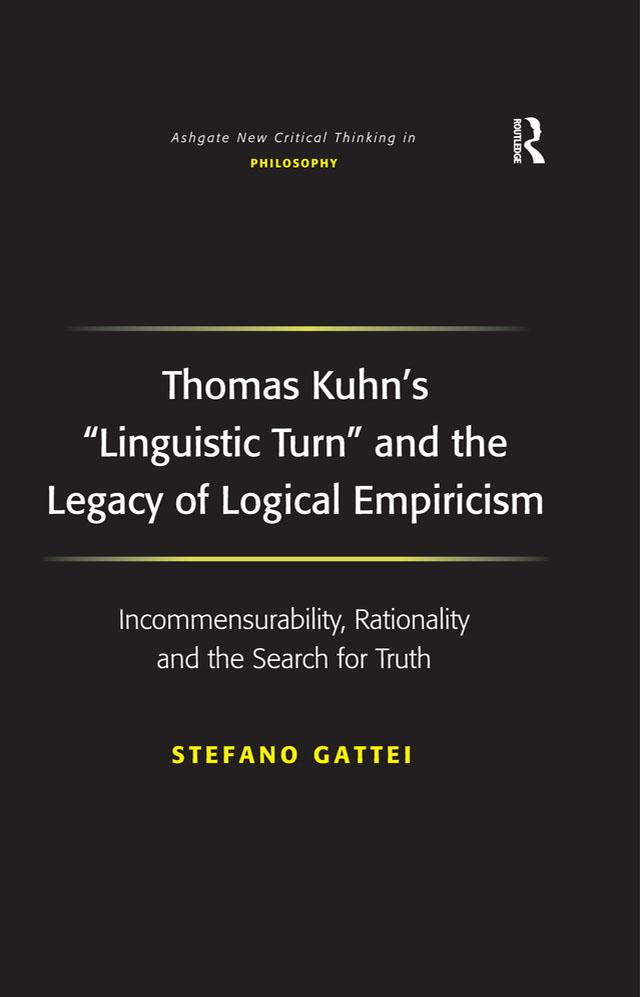
Presenting a critical history of the philosophy of science in the twentieth century, focusing on the transition from logical positivism in its first half to the "new philosophy of science" in its second, Stefano Gattei examines the influence of several key figures, but the main focus of the book are Thomas Kuhn and Karl Popper. Kuhn as the central figure of the new philosophy of science, and Popper as a key philosopher of the time who stands outside both traditions. Gattei makes two important claims about the development of the philosophy of science in the twentieth century; that Kuhn is much closer to positivism than many have supposed, failing to solve the crisis of neopostivism, and that Popper, in responding to the deeper crisis of foundationalism that spans the whole of the Western philosophical tradition, ultimately shows what is untenable in Kuhn's view. Gattei has written a very detailed and fine grained, yet accessible discussion making exceptionally interesting use of archive materials.
Paga facilmente con carta, Klarna, Apple Pay o Google Pay. Non sei soddisfatto? Hai sempre 14 giorni per il rimborso. Leggi di più nei nostri termini. Per qualsiasi domanda, scrivici a hello@memmo.org.
Memmo rende lo studio più facile, ovunque tu sia nel mondo. Qui trovi i tuoi libri di testo e strumenti di studio intelligenti, tutto in un unico posto: riassunti, quiz, podcast e flashcard. E poi c'è Ted, il tuo compagno di studio che risponde a ogni tua domanda. Oltre 50.000 studenti studiano già qui: è stato creato per aiutarti a imparare più velocemente e a stressarti meno.
Potrebbe interessarti anche
Acquista il libro0