
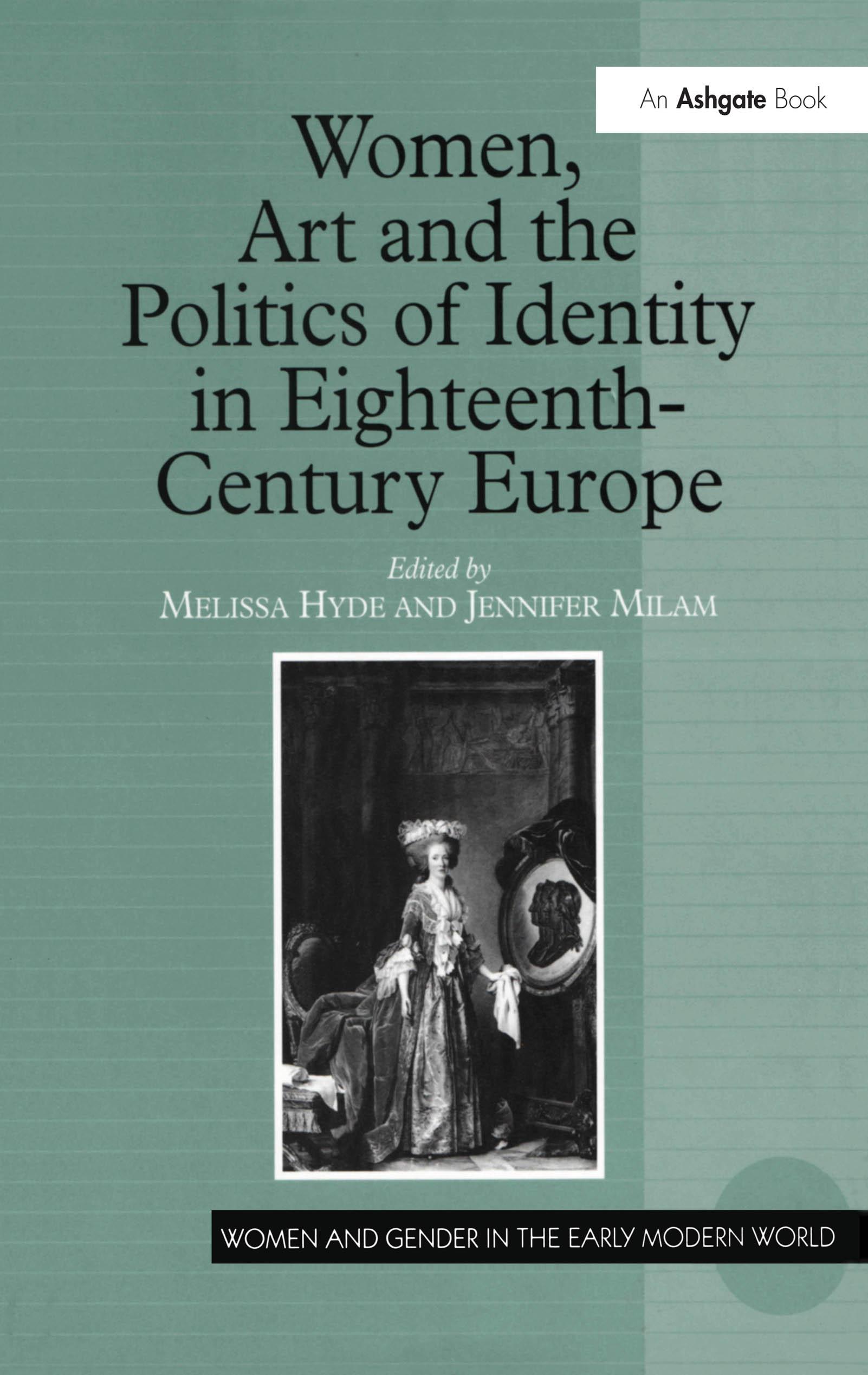
The eighteenth century is recognized as a complex period of dramatic epistemic shifts that would have profound effects on the modern world. Paradoxically, the art of the era continues to be a relatively neglected field within art history. While women's private lives, their involvement with cultural production, the project of Enlightenment, and the public sphere have been the subjects of ground-breaking historical and literary studies in recent decades, women's engagement with the arts remains one of the richest and most under-explored areas for scholarly investigation. This collection of new essays by specialist authors addresses women's activities as patrons and as "patronized" artists over the course of the century. It provides a much needed examination, with admirable breadth and variety, of women's artistic production and patronage during the eighteenth century. By opening up the specific problems and conflicts inherent in women's artistic involvements from the perspective of what was at stake for the eighteenth-century women themselves, it also acts as a corrective to the generalizing and stereotyping about the prominence of those women, which is too often present in current day literature. Some essays are concerned with how women's involvement in the arts allowed them to fashion identities for themselves (whether national, political, religious, intellectual, artistic, or gender-based) and how such self-fashioning in turn enabled them to negotiate or intervene in the public domains of culture and politics where "The Woman Question" was so hotly debated. Other essays examine how men's patronage of women also served as a vehicle for self-fashioning for both artist and sponsor. Artists and patrons discussed include: Carriera; Queen Lovisa Ulrike and Chardin; the Bourbon Princesses Mlle Clermont, Mme Adélaïde and Nattier; the Duchess of Osuna and Goya; Marie-Antoinette and Vigée-Lebrun; Labille-Guiard; Queen Carolina of Naples, Prince Stanislaus Poniatowski of Poland and Kauffman; David and his students, Mesdames Benoist, Lavoisier and Mongez.
Paga facilmente con carta, Klarna, Apple Pay o Google Pay. Non sei soddisfatto? Hai sempre 14 giorni per il rimborso. Leggi di più nei nostri termini. Per qualsiasi domanda, scrivici a hello@memmo.org.
Memmo rende lo studio più facile, ovunque tu sia nel mondo. Qui trovi i tuoi libri di testo e strumenti di studio intelligenti, tutto in un unico posto: riassunti, quiz, podcast e flashcard. E poi c'è Ted, il tuo compagno di studio che risponde a ogni tua domanda. Oltre 50.000 studenti studiano già qui: è stato creato per aiutarti a imparare più velocemente e a stressarti meno.
Potrebbe interessarti anche
Acquista il libro0