
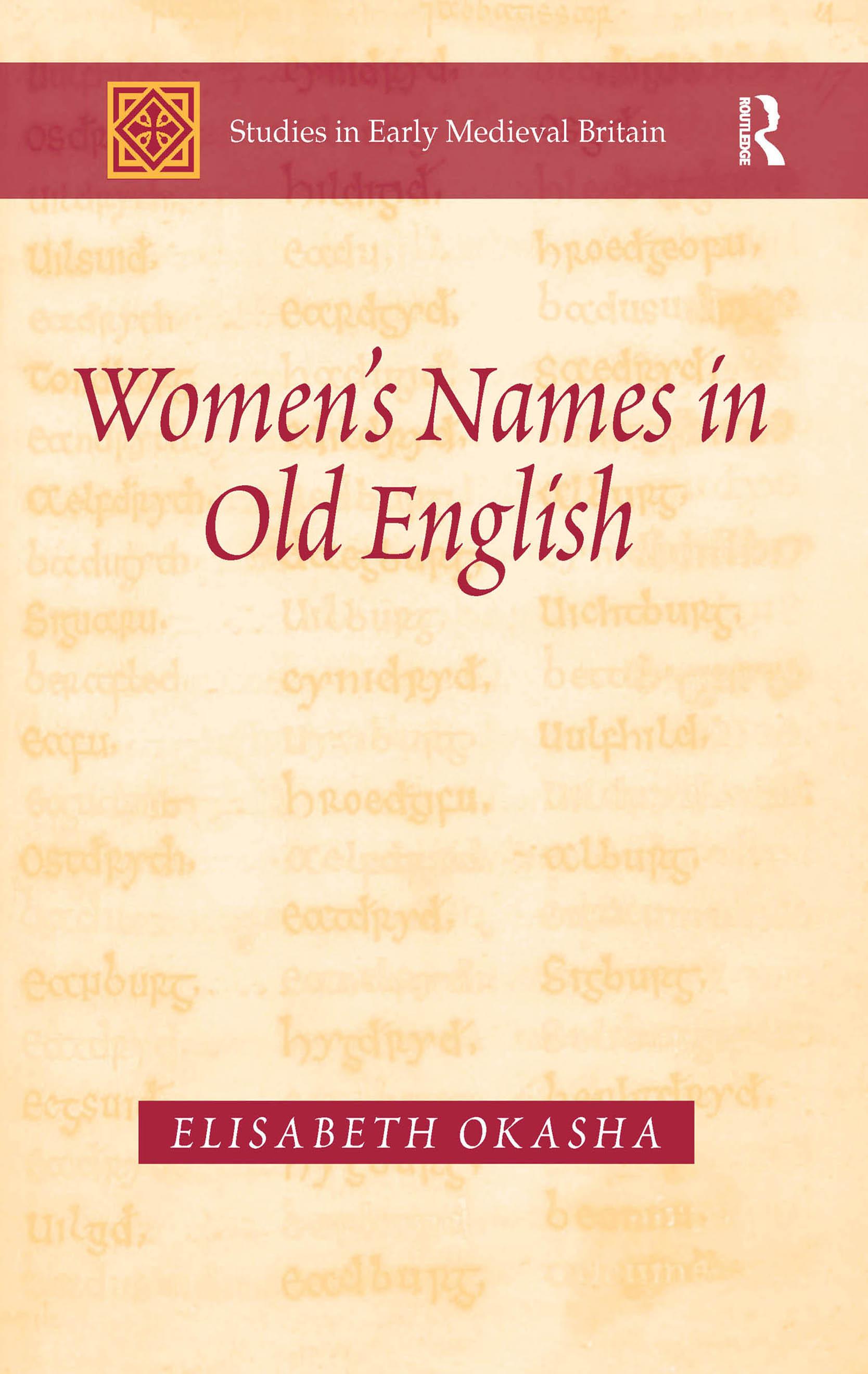
This monograph provides an in-depth study into the issue of vernacular names in Old English documents. Specifically, it challenges the generally accepted notion that the sex of an individual is definitively indicated by the grammatical gender of their name. In the case of di-thematic names, the grammatical gender in question is that of the second element of the name. Thus di-thematic names have been taken as belonging to women if their second element is grammatically feminine. However, as there are no surviving Anglo-Saxon texts which explain the principles of vernacular nomenclature, or any contemporary list of Old English personal names, it is by no means sure that this assumption is correct. While modern scholars have generally felt no difficulty in distinguishing male from female names, this book asks how far the Anglo-Saxons themselves recognised this distinction, and in so doing critically examines and tests the general principle that grammatical gender is a certain indicator of biological sex. Anyone with an interest in Old English manuscripts or early medieval history will find this book both thought provoking and a useful reference tool for better understanding the Anglo-Saxon world.
Paga facilmente con carta, Klarna, Apple Pay o Google Pay. Non sei soddisfatto? Hai sempre 14 giorni per il rimborso. Leggi di più nei nostri termini. Per qualsiasi domanda, scrivici a hello@memmo.org.
Memmo rende lo studio più facile, ovunque tu sia nel mondo. Qui trovi i tuoi libri di testo e strumenti di studio intelligenti, tutto in un unico posto: riassunti, quiz, podcast e flashcard. E poi c'è Ted, il tuo compagno di studio che risponde a ogni tua domanda. Oltre 50.000 studenti studiano già qui: è stato creato per aiutarti a imparare più velocemente e a stressarti meno.
Potrebbe interessarti anche
Acquista il libro0