
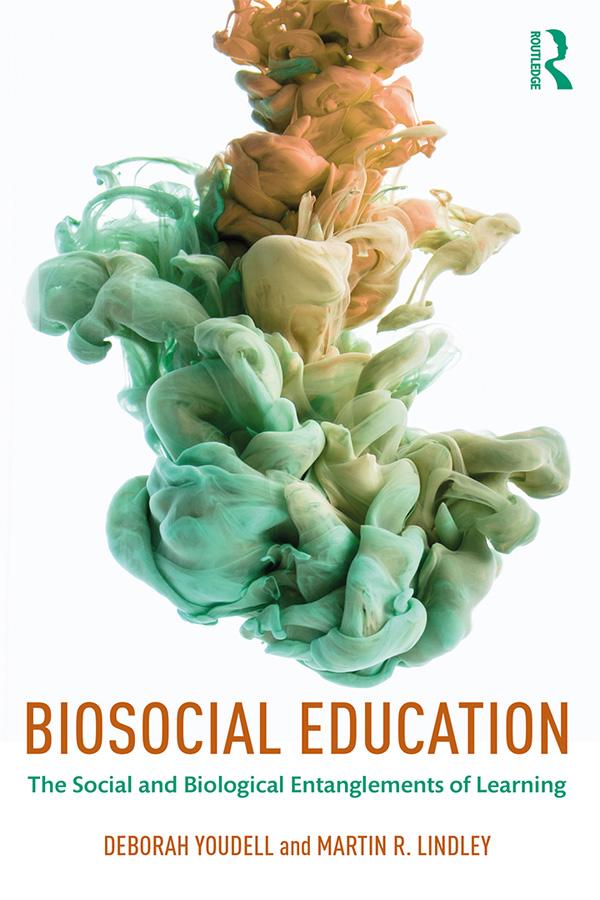
In this groundbreaking text, Youdell and Lindley bring together cutting-edge research from the fields of biology and social science to explore the complex interactions between the diverse processes which impact on education and learning.
Transforming the way we think about our students, our classrooms, teaching and learning, Biosocial Education draws on advances in genetics and metabolomics, epigenetics, biochemistry and neuroscience, to illustrate how new understandings of how bodies function can and must inform educational theory, policy and everyday pedagogical practices. Offering detailed insight into new findings in these areas and providing a compelling account of both the implications and limits of this new-found knowledge, the text confronts the mechanisms of interaction between multiple biological and social factors, and explores how educators might mobilize these ‘biosocial’ influences to enhance learning and enable each child to attain educational success.
By seeking out transdisciplinary and multi-factor answers to the question of how education works and how children learn, this book lays the foundations for a step-change in the way we approach learning. It is an essential read for researchers, teachers and practitioners involved in educational policy and practice at any level.
Paga facilmente con carta, Klarna, Apple Pay o Google Pay. Non sei soddisfatto? Hai sempre 14 giorni per il rimborso. Leggi di più nei nostri termini. Per qualsiasi domanda, scrivici a hello@memmo.org.
Memmo rende lo studio più facile, ovunque tu sia nel mondo. Qui trovi i tuoi libri di testo e strumenti di studio intelligenti, tutto in un unico posto: riassunti, quiz, podcast e flashcard. E poi c'è Ted, il tuo compagno di studio che risponde a ogni tua domanda. Oltre 50.000 studenti studiano già qui: è stato creato per aiutarti a imparare più velocemente e a stressarti meno.