
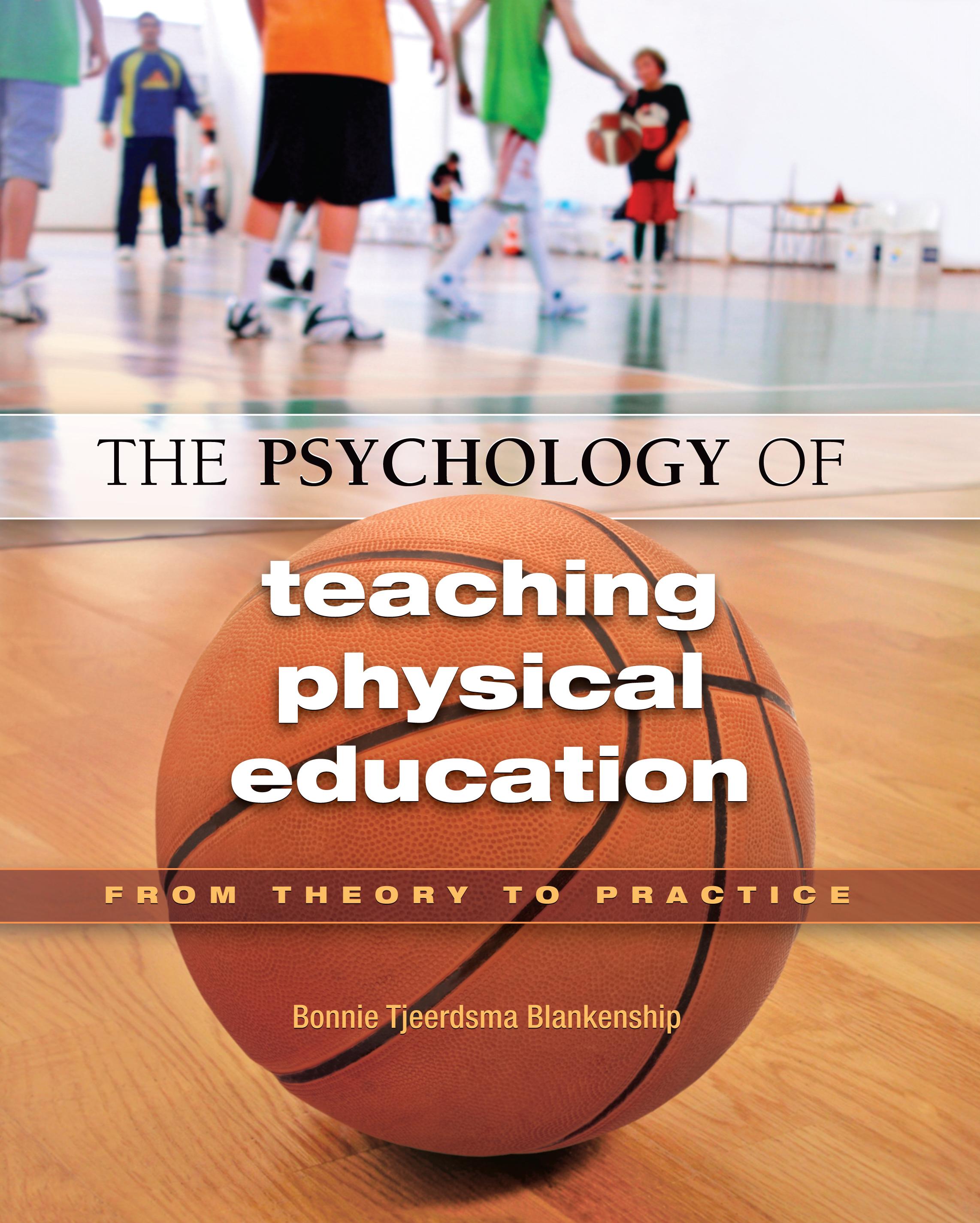
This book weaves together theory, research, and practical information related to the psychological aspects of physical education. Unlike other exercise/sport psychology books on the market, The Psychology of Teaching Physical Education is written especially for future and practicing physical educators and focuses on the psychological principles and strategies that are most relevant to them. The book covers the important topics of motivation, reinforcement, feedback, modeling, prosocial behaviors/moral development, and self-perception. In each chapter, narratives about real practicing teachers show how they apply the principles and theories of psychology to physical education, and particularly to actual situations that readers are likely to encounter professionally.
Each chapter contains three main sections: following an opening scenario in which Blankenship captures the reader's attention with a real-life problem, the author then (1) highlights theories related to the subject matter of the chapter, (2) summarizes the research that has been conducted on the theories and the chapter topic, and (3) gives examples of practical applications of the theory and research to physical education. Throughout the chapter, as the theory, research, and application of the topic are discussed, Blankenship presents possible solutions to the challenge presented in the chapter-opening vignette. The classroom applications and real-world examples are relevant to many different physical education settings, including those at the elementary, middle, and high school levels, in both urban and rural schools representing various geographical regions of the country. These examples bring the theories to life and help readers envision how their own classes will benefit as they apply what theyÃve learned about the psychology of teaching physical education.
Key Features of the Book
A theory-to-research-to-practice approach.
An author whose background in both sport psychology and physical education makes her uniquely qualified to write this book.
Chapter-ending application exercises that encourage readers to go beyond rote memorization of concepts and principles to apply what they learned in various specific examples.
Sample instructional models and guidelines to enable readers to incorporate concepts discussed in the chapter into their own classes.
A comprehensive glossary.
Paga facilmente con carta, Klarna, Apple Pay o Google Pay. Non sei soddisfatto? Hai sempre 14 giorni per il rimborso. Leggi di più nei nostri termini. Per qualsiasi domanda, scrivici a hello@memmo.org.
Memmo rende lo studio più facile, ovunque tu sia nel mondo. Qui trovi i tuoi libri di testo e strumenti di studio intelligenti, tutto in un unico posto: riassunti, quiz, podcast e flashcard. E poi c'è Ted, il tuo compagno di studio che risponde a ogni tua domanda. Oltre 50.000 studenti studiano già qui: è stato creato per aiutarti a imparare più velocemente e a stressarti meno.