
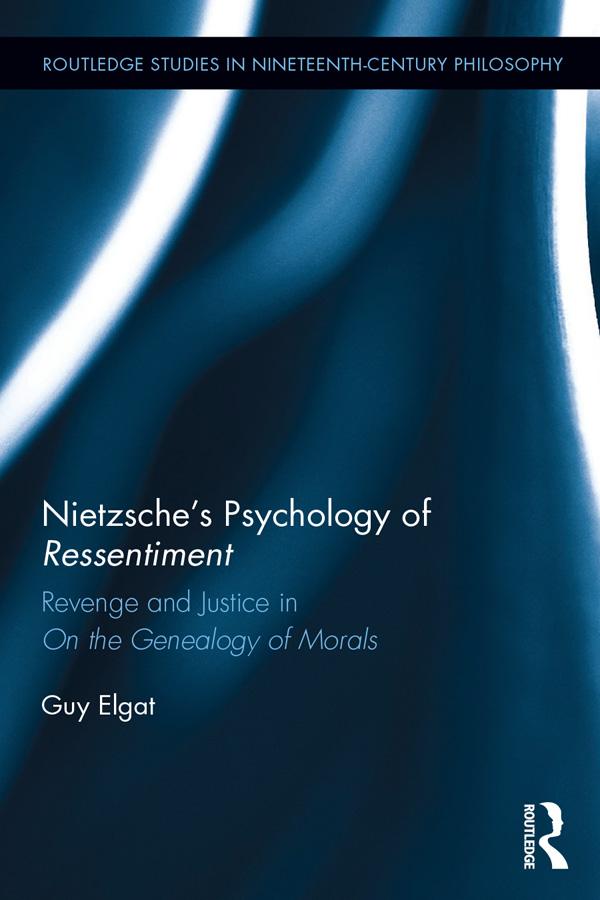
Ressentiment—the hateful desire for revenge—plays a pivotal role in Nietzsche’s On the Genealogy of Morals. Ressentiment explains the formation of bad conscience, guilt, asceticism, and, most importantly, it motivates the "slave revolt" that gives rise to Western morality’s values. Ressentiment, however, has not enjoyed a thorough treatment in the secondary literature. This book brings it sharply into focus and provides the first detailed examination of Nietzsche’s psychology of ressentiment. Unlike other books on the Genealogy, it uses ressentiment as a key to the Genealogy and focuses on the intriguing relationship between ressentiment and justice. It shows how ressentiment, despite its blindness to justice, gives rise to moral justice—the central target of Nietzsche’s critique. This critique notwithstanding, the Genealogy shows Nietzsche’s enduring commitment to the virtue of non-moral justice: a commitment that grounds his provocative view that moral justice spells the ‘end of justice’. The result provides a novel view of Nietzsche's moral psychology in the Genealogy, his critique of morality, and his views on justice.
Paga facilmente con carta, Klarna, Apple Pay o Google Pay. Non sei soddisfatto? Hai sempre 14 giorni per il rimborso. Leggi di più nei nostri termini. Per qualsiasi domanda, scrivici a hello@memmo.org.
Memmo rende lo studio più facile, ovunque tu sia nel mondo. Qui trovi i tuoi libri di testo e strumenti di studio intelligenti, tutto in un unico posto: riassunti, quiz, podcast e flashcard. E poi c'è Ted, il tuo compagno di studio che risponde a ogni tua domanda. Oltre 50.000 studenti studiano già qui: è stato creato per aiutarti a imparare più velocemente e a stressarti meno.