
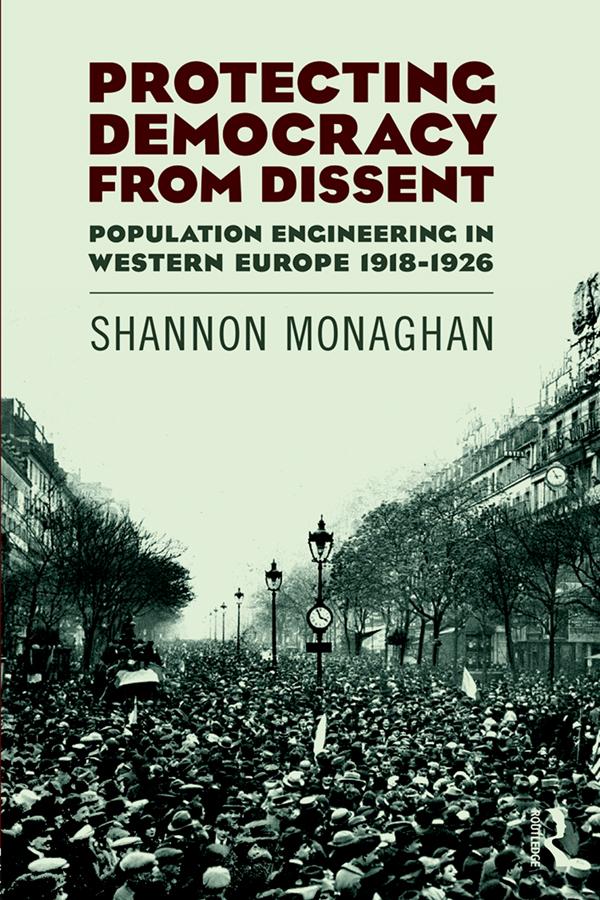
In the aftermath of the First World War, the victorious powers – more or less liberal democracies – argued that democracy would bring peace to Europe because this was the only effective way for legitimate states, with governments based on the consent of the governed, to be organized. What the victorious statesmen failed to foresee was how much conflict this postwar settlement would provoke, since it was far from clear exactly which people should qualify for the privilege of self-governance.
It is well known that these conflicts played out dramatically and violently in eastern and southeastern Europe in the immediate postwar years. What is less well known is that the contest extended into the western European heartland of the victorious powers as well. There, the quest for a new conception of democracy – based on both liberalism and nationalism – led the victors to pursue liberal policies of population engineering with, paradoxically, the best of intentions: the preservation and stability of democracy itself. In an era in which people were becoming more involved in choosing their governments, governments were becoming more involved in choosing their people. While the victors sought to craft a more ethical – or at least more legalistic – form of population engineering than the often violent and ad hoc versions employed further east, the result nevertheless remained at odds with the ethical foundations of liberal democracy.
Paga facilmente con carta, Klarna, Apple Pay o Google Pay. Non sei soddisfatto? Hai sempre 14 giorni per il rimborso. Leggi di più nei nostri termini. Per qualsiasi domanda, scrivici a hello@memmo.org.
Memmo rende lo studio più facile, ovunque tu sia nel mondo. Qui trovi i tuoi libri di testo e strumenti di studio intelligenti, tutto in un unico posto: riassunti, quiz, podcast e flashcard. E poi c'è Ted, il tuo compagno di studio che risponde a ogni tua domanda. Oltre 50.000 studenti studiano già qui: è stato creato per aiutarti a imparare più velocemente e a stressarti meno.