
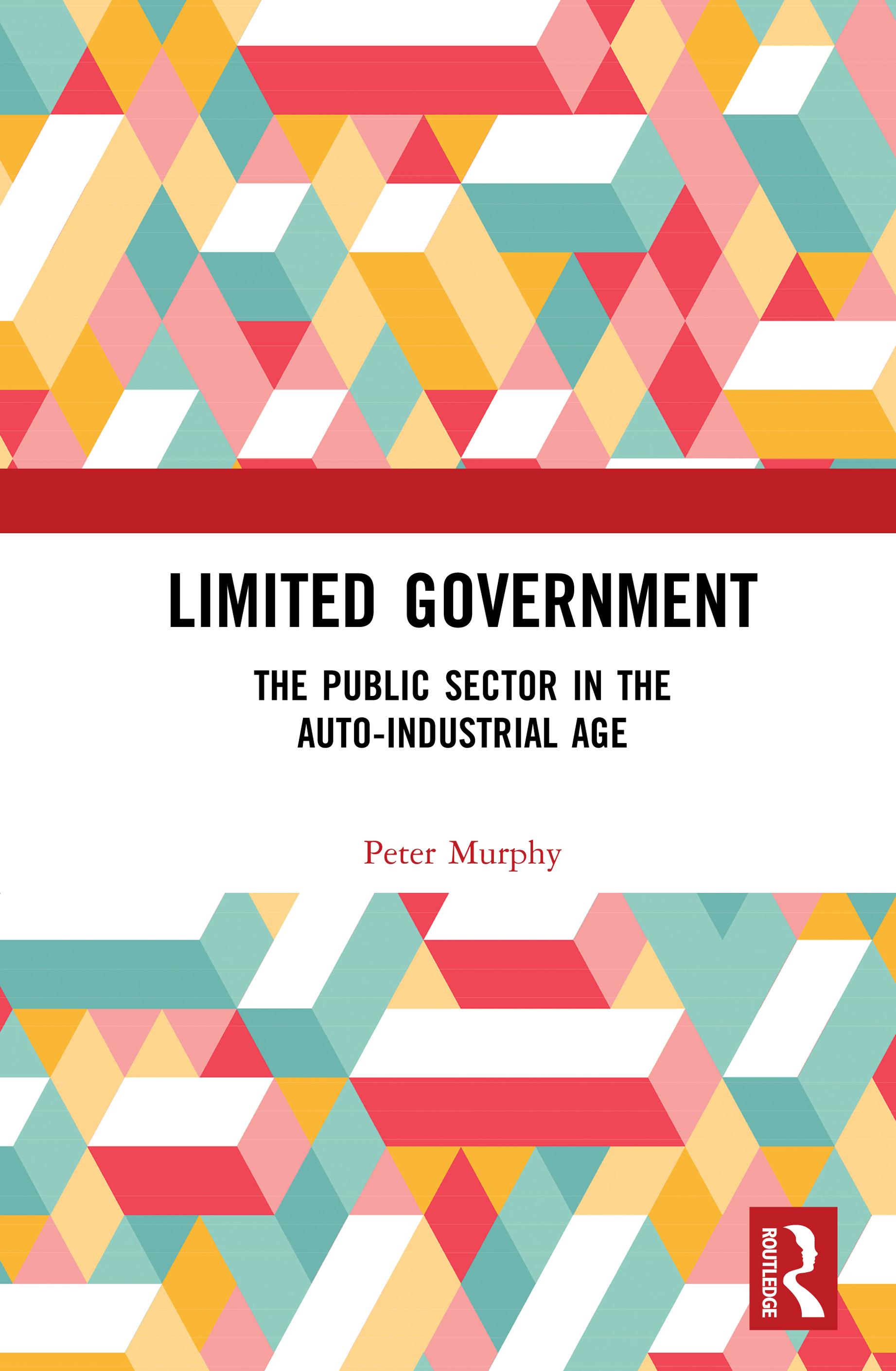
This book explores why, despite increased government spending on income-support, health and education, the costs of public goods are rising and their quality is declining. Charting the rise of big government, the author identifies a growing divergence between public-sector ideals and the realities of troubled political economies grappling with debt, deficits, ageing populations, improvident social insurance, declining education test scores and multiplying health costs. Limited Government analyzes in detail the social and political factors in major economies that drive up public spending, as well as the relationship between spending and outcomes. By developing an alternate model of public finances, and engaging in a critique of the managerial society, the author emphasizes the positive effects of self-management, social self-organization and technological automation, arguing that high-quality, low-cost goods are the result of nations that save, not states that tax. A sociological account of public finances, Limited Government outlines how governments can spend less and yet help ensure good broad equitable standards of health, education and income security.
Paga facilmente con carta, Klarna, Apple Pay o Google Pay. Non sei soddisfatto? Hai sempre 14 giorni per il rimborso. Leggi di più nei nostri termini. Per qualsiasi domanda, scrivici a hello@memmo.org.
Memmo rende lo studio più facile, ovunque tu sia nel mondo. Qui trovi i tuoi libri di testo e strumenti di studio intelligenti, tutto in un unico posto: riassunti, quiz, podcast e flashcard. E poi c'è Ted, il tuo compagno di studio che risponde a ogni tua domanda. Oltre 50.000 studenti studiano già qui: è stato creato per aiutarti a imparare più velocemente e a stressarti meno.