
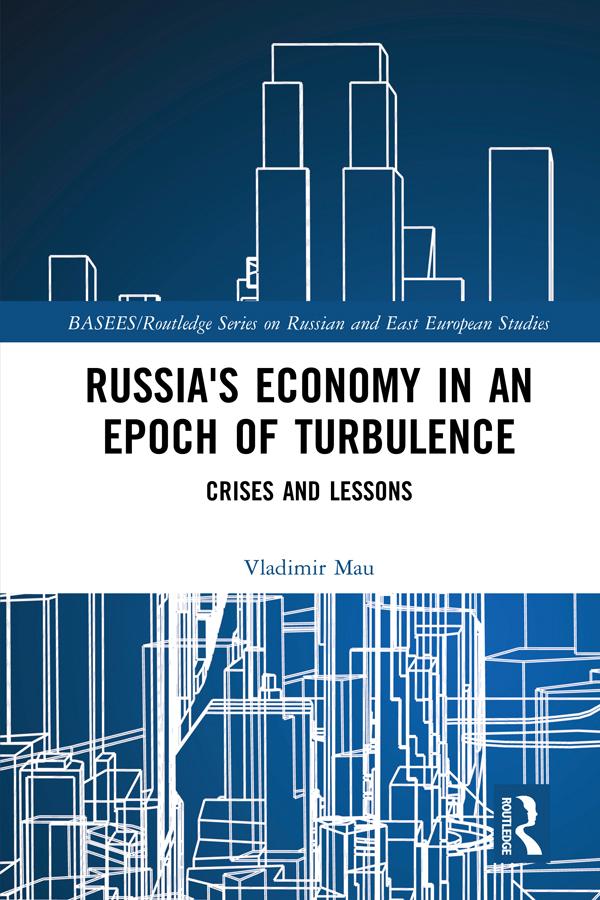
Over the course of the last thirty years post-communist Russia has either been struggling with crises, discussing the lessons learned from past crises, or attempting to trace the contours of future crises. Based on the author’s own experiences and his research over this long period, this book traces the logic of the development of the crises and the anti-crisis policies, and shows the continuity, or discontinuity, in determining particular solutions. It demonstrates how perceptions of the priorities for economic policy, and the problems of economic growth and the formation of a new model and its alternatives were formed and how they changed. It also outlines the evolution of ideas about the role of social politics and human capital sectors in addressing anti-crisis and modernization issues, and discusses the changing views on the institutional and structural priorities for Russia’s development. This is an important book on an economic subject of crucial global significance by a leading participant.
Paga facilmente con carta, Klarna, Apple Pay o Google Pay. Non sei soddisfatto? Hai sempre 14 giorni per il rimborso. Leggi di più nei nostri termini. Per qualsiasi domanda, scrivici a hello@memmo.org.
Memmo rende lo studio più facile, ovunque tu sia nel mondo. Qui trovi i tuoi libri di testo e strumenti di studio intelligenti, tutto in un unico posto: riassunti, quiz, podcast e flashcard. E poi c'è Ted, il tuo compagno di studio che risponde a ogni tua domanda. Oltre 50.000 studenti studiano già qui: è stato creato per aiutarti a imparare più velocemente e a stressarti meno.