
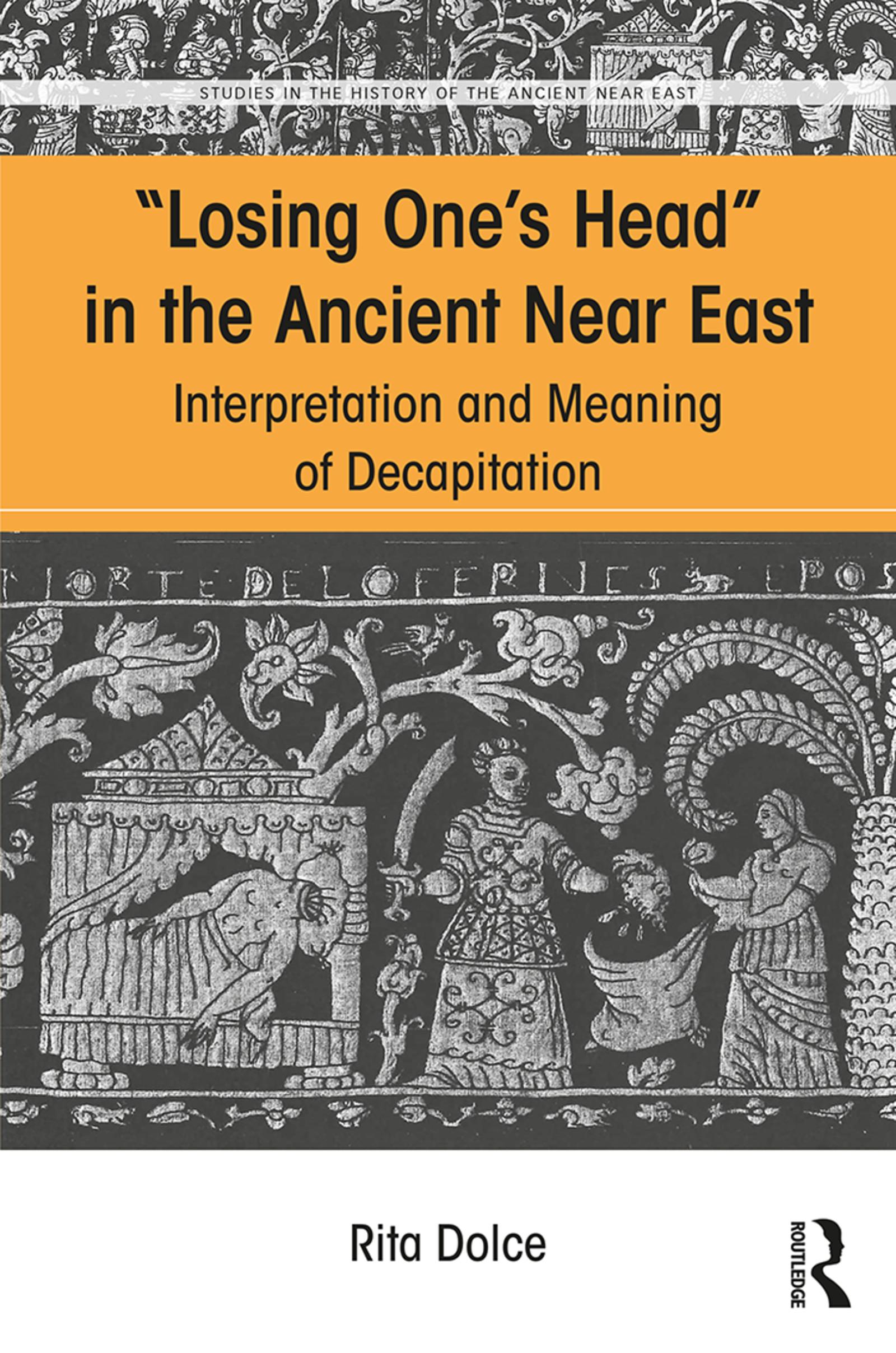
In the Ancient Near East, cutting off someone’s head was a unique act, not comparable to other types of mutilation, and therefore charged with a special symbolic and communicative significance. This book examines representations of decapitation in both images and texts, particularly in the context of war, from a trans-chronological perspective that aims to shed light on some of the conditions, relationships and meanings of this specific act. The severed head is a “coveted object” for the many individuals who interact with it and determine its fate, and the act itself appears to take on the hallmarks of a ritual. Drawing mainly on the evidence from Anatolia, Syria and Mesopotamia between the third and first millennia BC, and with reference to examples from prehistory to the Neo-Assyrian Period, this fascinating study will be of interest not only to art historians, but to anyone interested in the dynamics of war in the ancient world.
Paga facilmente con carta, Klarna, Apple Pay o Google Pay. Non sei soddisfatto? Hai sempre 14 giorni per il rimborso. Leggi di più nei nostri termini. Per qualsiasi domanda, scrivici a hello@memmo.org.
Memmo rende lo studio più facile, ovunque tu sia nel mondo. Qui trovi i tuoi libri di testo e strumenti di studio intelligenti, tutto in un unico posto: riassunti, quiz, podcast e flashcard. E poi c'è Ted, il tuo compagno di studio che risponde a ogni tua domanda. Oltre 50.000 studenti studiano già qui: è stato creato per aiutarti a imparare più velocemente e a stressarti meno.