
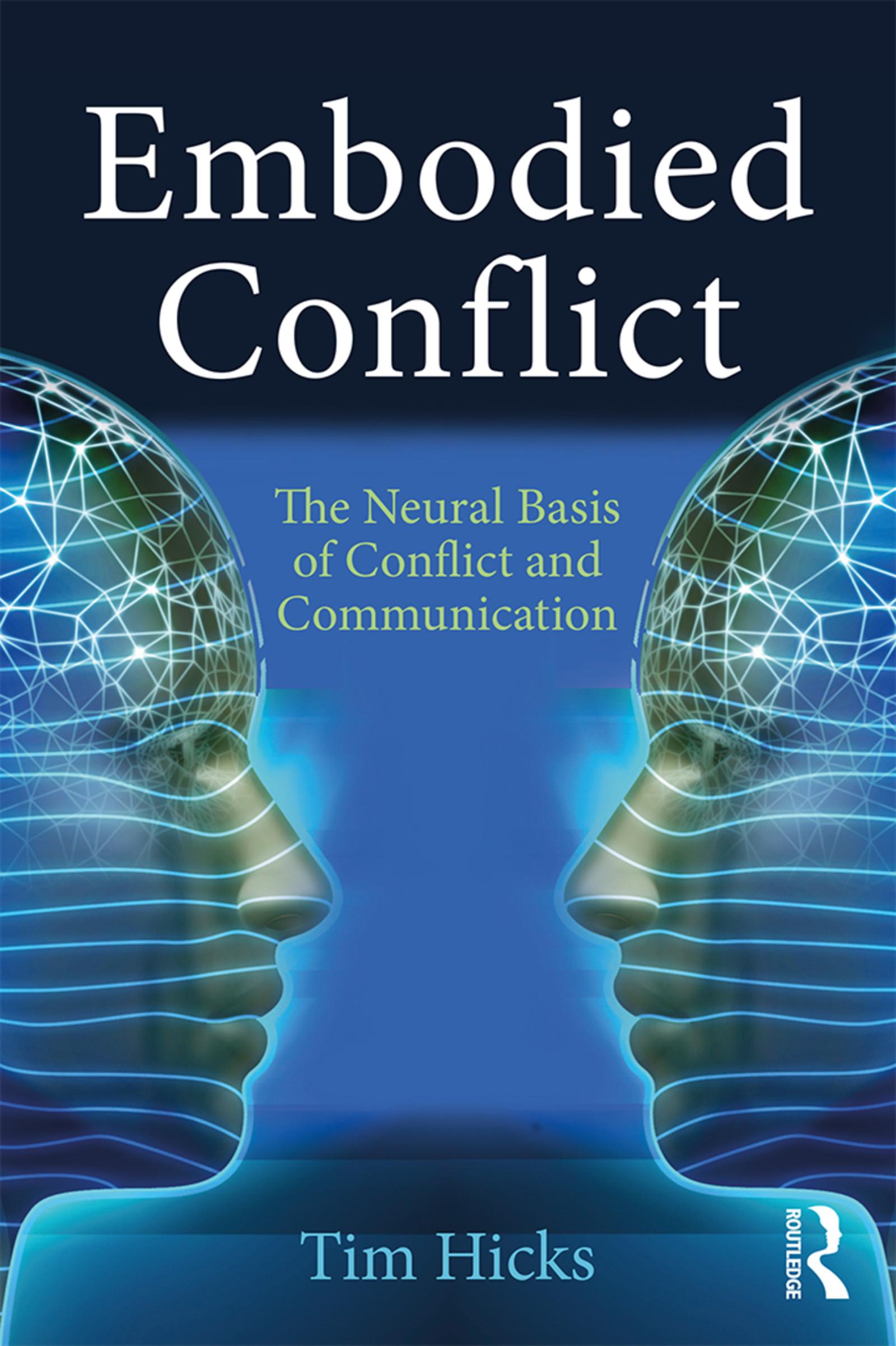
Our abilities to learn and remember are at the core of consciousness, cognition, and identity, and are based on the fundamental brain capacity to encode and store perceptual experience in abiding neural structures. These neural structures are the mechanisms by which we know, think about, create beliefs about, and understand the world in which we live. This includes the social world in which we experience conflict with others; our conflicts are largely about differences in what we know, think, believe, and understand. A number of characteristics of the neural encoding function are at the root of and help to explain conflict in our social relations and why some conflicts are difficult to prevent and resolve.
Embodied Conflict presents the neural encoding function in layman’s terms, outlining seven key characteristics and exploring their implications for communication, relationship, and conflict resolution. In doing so, Embodied Conflict situates the field of conflict resolution within the long arc of human history and asks whether and how conflict resolution practice can take another step forward by considering the neural experience of parties in conflict. The book includes many case examples and offers some suggestions for how conflict resolution practitioner training might be expanded to include this theoretical framework and its implications for practice.
Paga facilmente con carta, Klarna, Apple Pay o Google Pay. Non sei soddisfatto? Hai sempre 14 giorni per il rimborso. Leggi di più nei nostri termini. Per qualsiasi domanda, scrivici a hello@memmo.org.
Memmo rende lo studio più facile, ovunque tu sia nel mondo. Qui trovi i tuoi libri di testo e strumenti di studio intelligenti, tutto in un unico posto: riassunti, quiz, podcast e flashcard. E poi c'è Ted, il tuo compagno di studio che risponde a ogni tua domanda. Oltre 50.000 studenti studiano già qui: è stato creato per aiutarti a imparare più velocemente e a stressarti meno.