
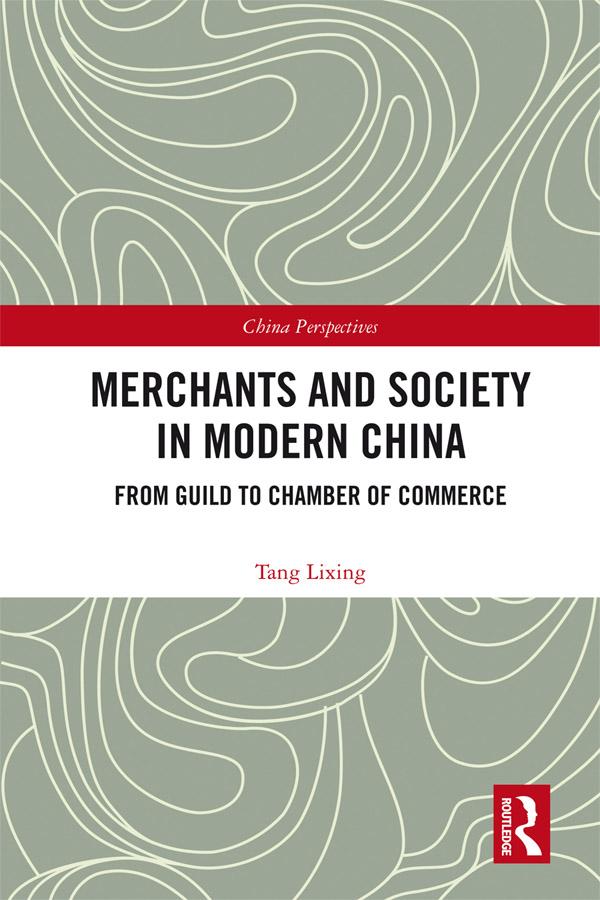
In the late nineteenth and early twentieth centuries, merchants in China were incorporated into the bourgeoisie and constituted a vital part of the upstart capitalists. The lowermost class in ancient China’s social hierarchy has thus become a strong force of social transformation in the modern era.
From the angle of the interaction between the merchant and modern society, this book examines the factors behind the rise of the merchant class in China, in terms of its cultural traits, inner structure, and business modes. First, it analyzes the features and historical standings of merchant culture which came into existence on the basis of reworking and integrating Neo-Confucianism. It argues that merchant culture pushed China’s early enlightenment movement to a new level. Then the rise of the bourgeoisie and their role in the evolution of modern Chinese society are studied thoroughly. More importantly, by examining the "golden age" of the merchant after the 1911 Revolution and its end brought by the Northern Expedition, this book studies the dilemmas faced by Chinese merchants. Finally, it probes into the reasons why it was hard for China to go beyond modern society, that is, completing the transition from commodity economy to capitalist economy.
This book will deepen the understanding of China’s merchant class and modern Chinese society. Scholars and students in economics, history, sociology, and cultural studies will be attracted by it.
Paga facilmente con carta, Klarna, Apple Pay o Google Pay. Non sei soddisfatto? Hai sempre 14 giorni per il rimborso. Leggi di più nei nostri termini. Per qualsiasi domanda, scrivici a hello@memmo.org.
Memmo rende lo studio più facile, ovunque tu sia nel mondo. Qui trovi i tuoi libri di testo e strumenti di studio intelligenti, tutto in un unico posto: riassunti, quiz, podcast e flashcard. E poi c'è Ted, il tuo compagno di studio che risponde a ogni tua domanda. Oltre 50.000 studenti studiano già qui: è stato creato per aiutarti a imparare più velocemente e a stressarti meno.