
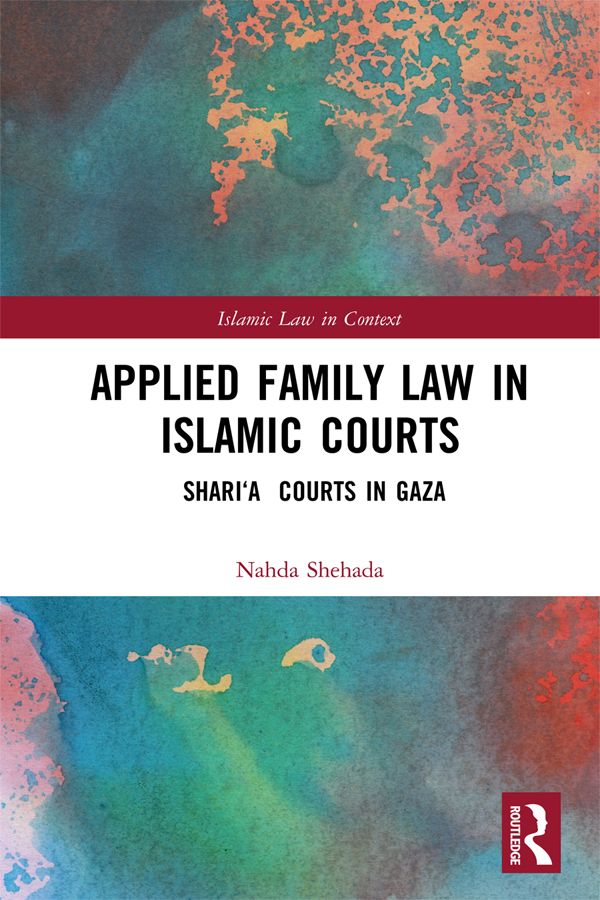
Written from an ethnographic perspective, this book investigates the socio-legal aspects of Islamic jurisprudence in Gaza-Palestine. It examines the way judges, lawyers and litigants operate with respect to the law and with each other, particularly given their different positions in the power structure within the court and within society at large. The book aims at elucidating ambivalences in the codified statutes that allow the actors to find practical solutions to their (often) legally unresolved problems and to manipulate the law. The book demonstrates that present-day judges are not only confronted with novel questions they have to find an answer to, but, perhaps more importantly, they are confronted with contradictions between the letter of codified law and their own notions of justice. The author reminds us that these notions of justice should not be set a priori; they are socially constructed in particular time and space.
Making a substantial contribution to a number of theoretical debates on family law and gender, the book will appeal to both academic and non-academic readers alike.
Paga facilmente con carta, Klarna, Apple Pay o Google Pay. Non sei soddisfatto? Hai sempre 14 giorni per il rimborso. Leggi di più nei nostri termini. Per qualsiasi domanda, scrivici a hello@memmo.org.
Memmo rende lo studio più facile, ovunque tu sia nel mondo. Qui trovi i tuoi libri di testo e strumenti di studio intelligenti, tutto in un unico posto: riassunti, quiz, podcast e flashcard. E poi c'è Ted, il tuo compagno di studio che risponde a ogni tua domanda. Oltre 50.000 studenti studiano già qui: è stato creato per aiutarti a imparare più velocemente e a stressarti meno.