
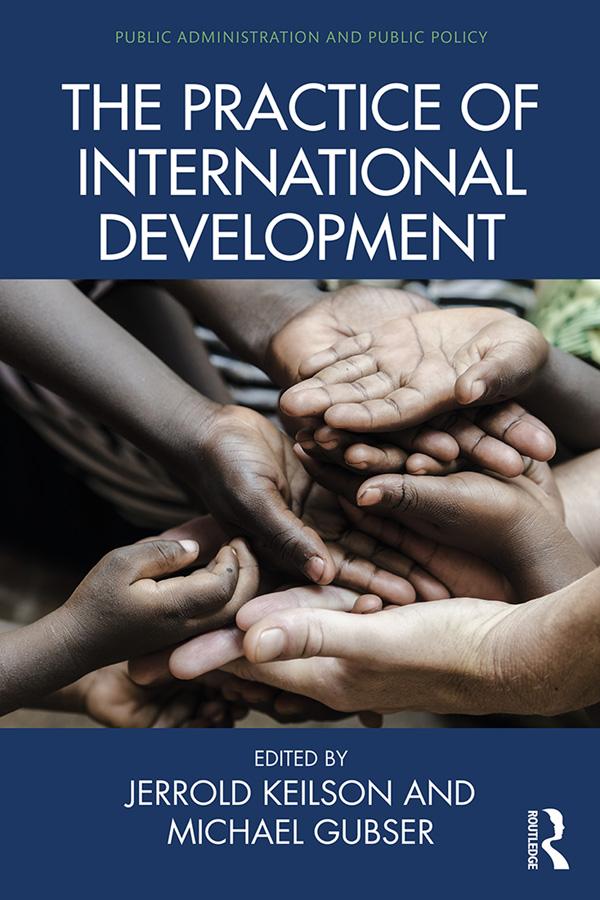
Development analysts tend to give short shrift to the seemingly minor bureaucratic hitches faced by practitioners—those who design, manage, implement, and evaluate aid projects. Often critical of foreign aid either for its apparent ineffectiveness at alleviating poverty or its purported neocolonial implications, the academic literature rarely acknowledges the experiences and pressures faced by practitioners themselves as they implement aid-funded development projects—the meetings, paperwork, negotiations, site visits, financial transactions, logistical arrangements, interviews, program activities, and beneficiary interactions—that keep projects running. And yet the impact of aid projects, and indeed the impact of development itself, often grows out of the daily activities and personal interactions of development practitioners. This unique book considers challenges from the perspective of development practitioners who confront technical, managerial, political, theoretical, and moral quandaries on a daily basis.
With chapters written by expert practitioners on different aspects of design and management of international development activities, this book examines real issues and navigates the often contradictory demands of local development needs, including international donor imperatives; limited financial resources, time, information, and assurance of results; the competing pulls of administrative efficiency; and the desire to alleviate suffering. It also gives readers access to the crucial but little-heard voices of those who spend their professional lives designing and managing foreign aid projects, offering insight into what did or did not work on projects they have managed, implemented, or evaluated. These insights do not seek to identify universally right or wrong ways of doing development; instead, they highlight pros and cons associated with various approaches and decisions. This book provides valuable insights for students and others interested in a development career, encourages practitioners to engage in reflection, and persuades researchers to further consider the influence of practice on project success or failure.
Paga facilmente con carta, Klarna, Apple Pay o Google Pay. Non sei soddisfatto? Hai sempre 14 giorni per il rimborso. Leggi di più nei nostri termini. Per qualsiasi domanda, scrivici a hello@memmo.org.
Memmo rende lo studio più facile, ovunque tu sia nel mondo. Qui trovi i tuoi libri di testo e strumenti di studio intelligenti, tutto in un unico posto: riassunti, quiz, podcast e flashcard. E poi c'è Ted, il tuo compagno di studio che risponde a ogni tua domanda. Oltre 50.000 studenti studiano già qui: è stato creato per aiutarti a imparare più velocemente e a stressarti meno.