
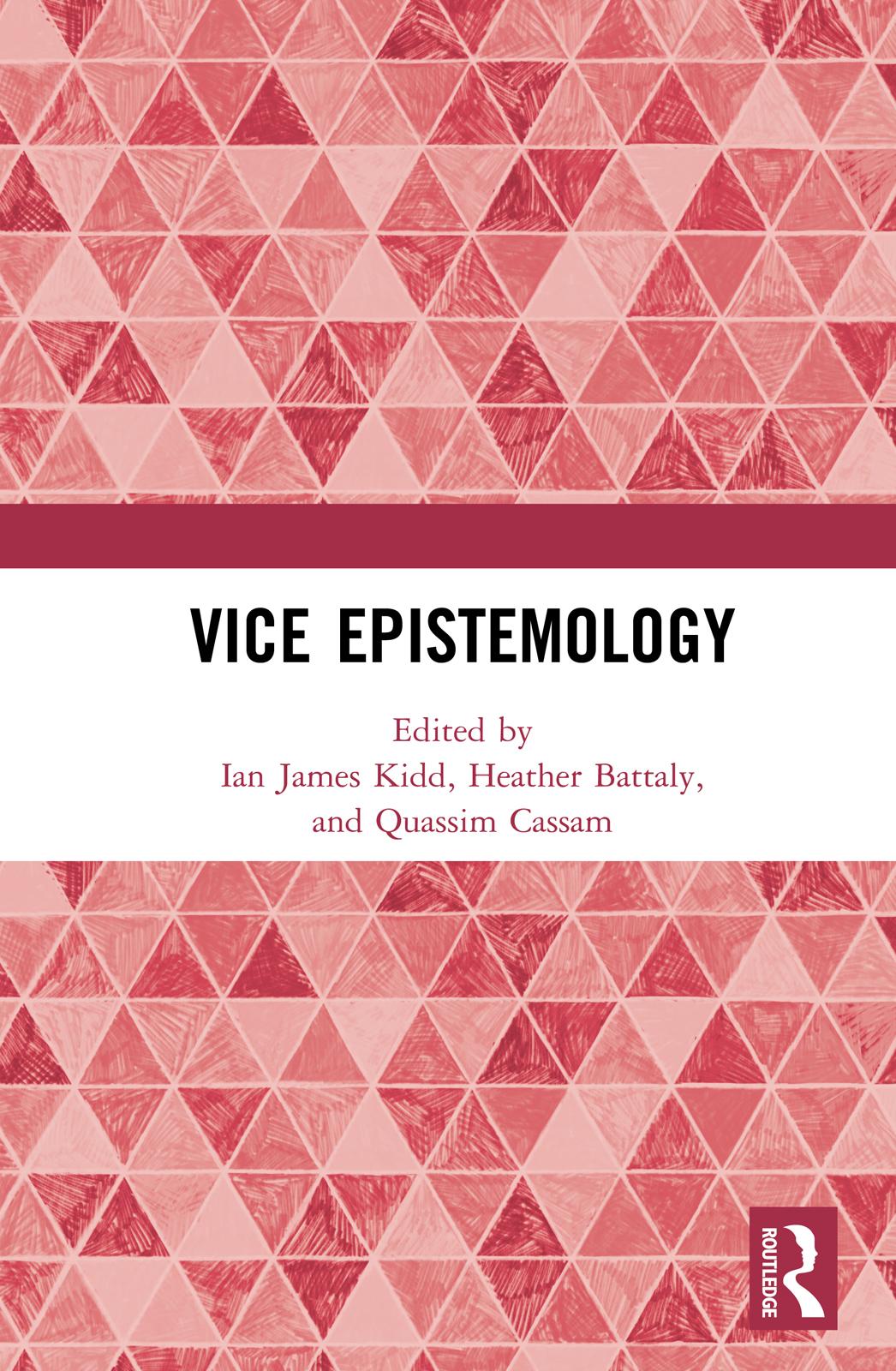
Some of the most problematic human behaviors involve vices of the mind such as arrogance, closed-mindedness, dogmatism, gullibility, and intellectual cowardice, as well as wishful or conspiratorial thinking. What sorts of things are epistemic vices? How do we detect and mitigate them? How and why do these vices prevent us from acquiring knowledge, and what is their role in sustaining patterns of ignorance? What is their relation to implicit or unconscious bias? How do epistemic vices and systems of social oppression relate to one another? Do we unwittingly absorb such traits from the process of socialization and communities around us? Are epistemic vices traits for which we can blamed? Can there be institutional and collective epistemic vices?
This book seeks to answer these important questions about the vices of the mind and their roles in our social and epistemic lives, and is the first collection of its kind. Organized into three parts, chapters by outstanding scholars explore the nature of epistemic vices, specific examples of these vices, and case studies in applied vice epistemology, including education and politics.
Alongside these foundational questions, the volume offers sophisticated accounts of vices both new and familiar. These include epistemic arrogance and servility, epistemic injustice, epistemic snobbishness, conspiratorial thinking, procrastination, and forms of closed-mindedness.
Vice Epistemology is essential reading for students of ethics, epistemology, and virtue theory, and various areas of applied, feminist, and social philosophy. It will also be of interest to practitioners, scholars, and activists in politics, law, and education.
Paga facilmente con carta, Klarna, Apple Pay o Google Pay. Non sei soddisfatto? Hai sempre 14 giorni per il rimborso. Leggi di più nei nostri termini. Per qualsiasi domanda, scrivici a hello@memmo.org.
Memmo rende lo studio più facile, ovunque tu sia nel mondo. Qui trovi i tuoi libri di testo e strumenti di studio intelligenti, tutto in un unico posto: riassunti, quiz, podcast e flashcard. E poi c'è Ted, il tuo compagno di studio che risponde a ogni tua domanda. Oltre 50.000 studenti studiano già qui: è stato creato per aiutarti a imparare più velocemente e a stressarti meno.