
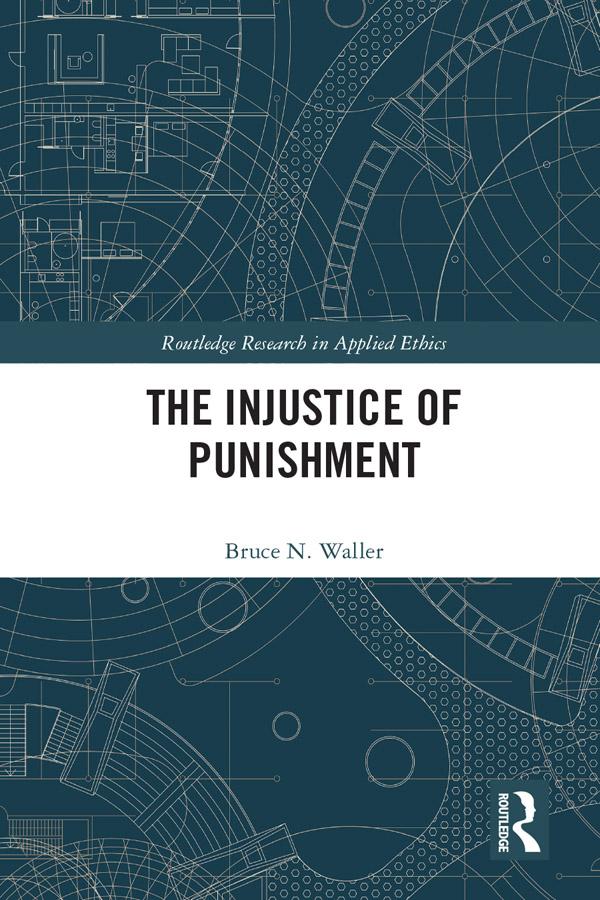
The Injustice of Punishment emphasizes that we can never make sense of moral responsibility while also acknowledging that punishment is sometimes unavoidable. Recognizing both the injustice and the necessity of punishment is painful but also beneficial. It motivates us to find effective means of minimizing both the use and severity of punishment, and encourages deeper inquiry into the causes of destructive behavior and how to change those causes in order to reduce the need for punishment. There is an emerging alternative to the comfortable but destructive system of moral responsibility and just deserts. That alternative is not the creation of philosophers but of sociologists, criminologists, psychologists, and workplace engineers; it was developed, tested, and employed in factories, prisons, hospitals, and other settings; and it is writ large in the practices of cultures that minimize belief in individual moral responsibility. The alternative marks a promising path to less punishment, less coercive control, deeper common commitment, and more genuine freedom.
Paga facilmente con carta, Klarna, Apple Pay o Google Pay. Non sei soddisfatto? Hai sempre 14 giorni per il rimborso. Leggi di più nei nostri termini. Per qualsiasi domanda, scrivici a hello@memmo.org.
Memmo rende lo studio più facile, ovunque tu sia nel mondo. Qui trovi i tuoi libri di testo e strumenti di studio intelligenti, tutto in un unico posto: riassunti, quiz, podcast e flashcard. E poi c'è Ted, il tuo compagno di studio che risponde a ogni tua domanda. Oltre 50.000 studenti studiano già qui: è stato creato per aiutarti a imparare più velocemente e a stressarti meno.