
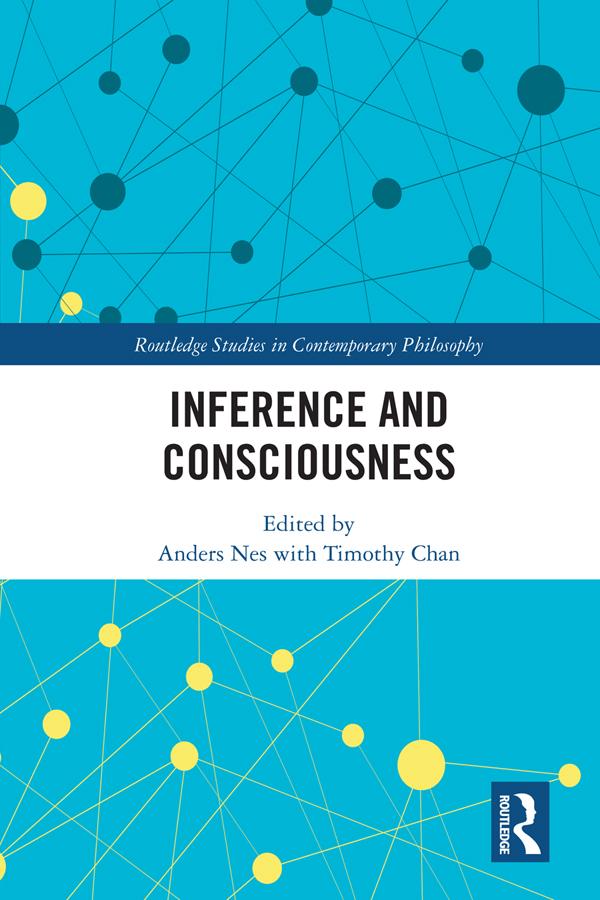
Inference has long been a central concern in epistemology, as an essential means by which we extend our knowledge and test our beliefs. Inference is also a key notion in influential psychological accounts of mental capacities, ranging from problem-solving to perception. Consciousness, on the other hand, has arguably been the defining interest of philosophy of mind over recent decades. Comparatively little attention, however, has been devoted to the significance of consciousness for the proper understanding of the nature and role of inference. It is commonly suggested that inference may be either conscious or unconscious. Yet how unified are these various supposed instances of inference? Does either enjoy explanatory priority in relation to the other? In what way, or ways, can an inference be conscious, or fail to be conscious, and how does this matter? This book brings together original essays from established scholars and emerging theorists that showcase how several current debates in epistemology, philosophy of psychology and philosophy of mind can benefit from more reflections on these and related questions about the significance of consciousness for inference.
Paga facilmente con carta, Klarna, Apple Pay o Google Pay. Non sei soddisfatto? Hai sempre 14 giorni per il rimborso. Leggi di più nei nostri termini. Per qualsiasi domanda, scrivici a hello@memmo.org.
Memmo rende lo studio più facile, ovunque tu sia nel mondo. Qui trovi i tuoi libri di testo e strumenti di studio intelligenti, tutto in un unico posto: riassunti, quiz, podcast e flashcard. E poi c'è Ted, il tuo compagno di studio che risponde a ogni tua domanda. Oltre 50.000 studenti studiano già qui: è stato creato per aiutarti a imparare più velocemente e a stressarti meno.