
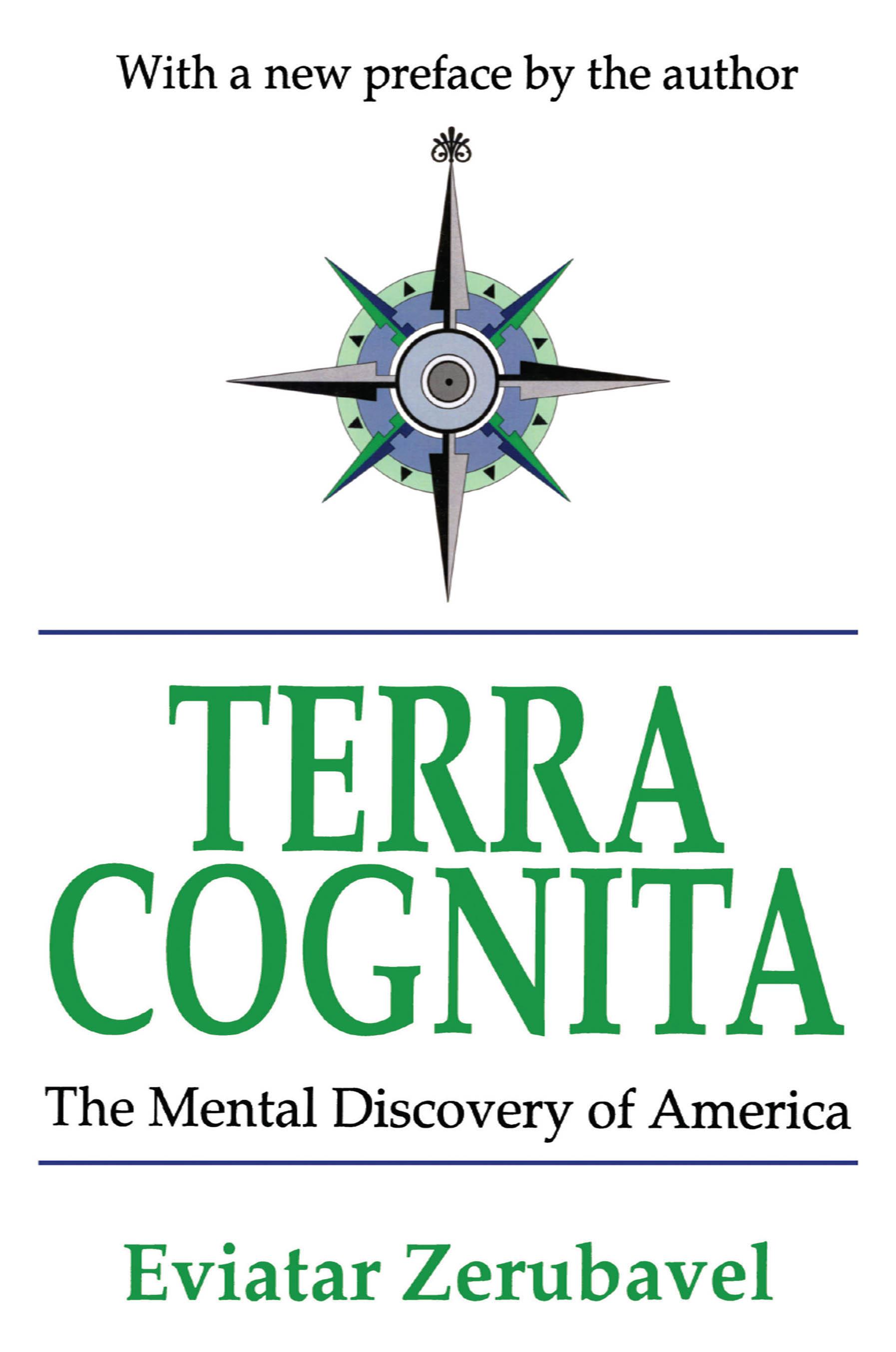
Most of us are fascinated by the conventional storybook account of Christopher Columbus' heroic discovery of America in 1492. Yet, should the credit for discovering America go to a man who insisted it was but a few islands off the shores of China?In Terra Cognita, Eviatar Zerubavel argues that physical encounters are only one part of the complex, multifaceted process of discovery. Such encounters must be complemented by an understanding of the true identity of what is being discovered. The small group of islands claimed by Columbus to have been discovered off the shores of Asia was a far cry from what we now call America. The discovery of the New World was not achieved in a single day but was a slow process--mental as well as physical--that lasted almost three hundred years. By celebrating 1492 as a year of discovery, we inevitably distort the reality of history.In vividly documenting how a slowly emerging New World gradually forced itself into Europe's consciousness, Zerubavel shows that Columbus did not discover America on October 12, 1492. Supplemented by fascinating old maps and a new preface written for this paperback edition, Terra Cognita will be of interest to historians, geographers, cognitive scientists, sociologists, and students of culture.
Paga facilmente con carta, Klarna, Apple Pay o Google Pay. Non sei soddisfatto? Hai sempre 14 giorni per il rimborso. Leggi di più nei nostri termini. Per qualsiasi domanda, scrivici a hello@memmo.org.
Memmo rende lo studio più facile, ovunque tu sia nel mondo. Qui trovi i tuoi libri di testo e strumenti di studio intelligenti, tutto in un unico posto: riassunti, quiz, podcast e flashcard. E poi c'è Ted, il tuo compagno di studio che risponde a ogni tua domanda. Oltre 50.000 studenti studiano già qui: è stato creato per aiutarti a imparare più velocemente e a stressarti meno.
Potrebbe interessarti anche
Acquista il libro0