
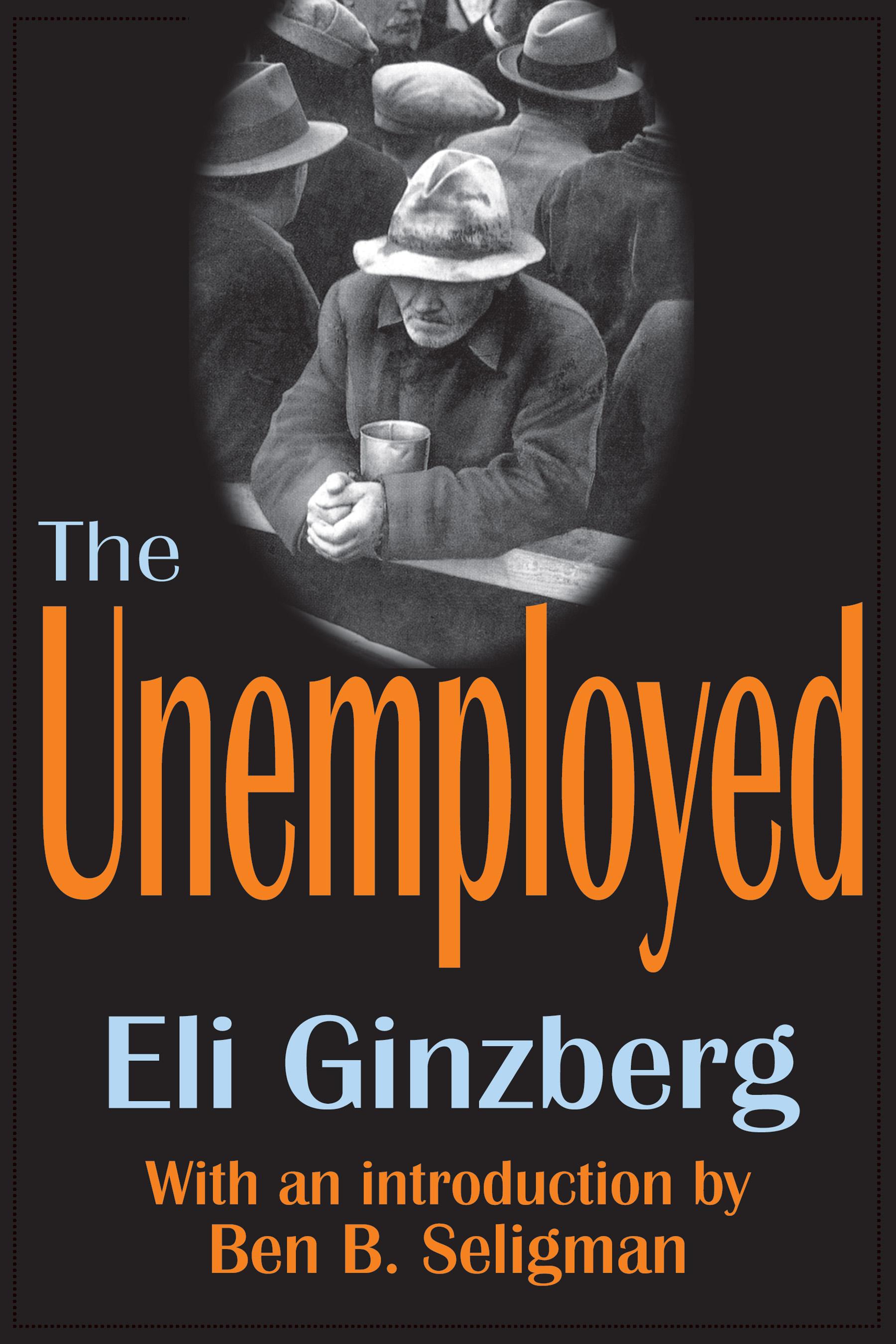
This classic study of the effect of unemployment and of the ways of relieving it upon actual, typical families of the 1930s and 1940s is a vivid, startling picture of the demoralizing influence and consequences of America's relief policies during the Depression years. The study comprises an incisive interpretation of the problem and a series of absorbing human interest stories of representative families on relief cases selected from experiences of relief, including the records of families from various religious groups in an exhaustive study conducted in New York City.
Most research on unemployment of the 1930s conspicuously lacks studies of the unemployed themselves. Yet, this is the crux of the matter necessary to truly understand the cbnsequences of unemployment then and now, so as to deal with it intelligently and efficiently. This book deals with what employment does to people. It answers important questions about the unemployed that are rarely asked. Who are they? Did they fail to earn a living even in prosperous times? What precipitated their unemployment? Do they prefer relief to work? Did unemployment bring about changes in how they think and feel? This is a volume of continuing relevance, and will be of interest to legislators, economists, social scientists, social workers, and psychologists.
Paga facilmente con carta, Klarna, Apple Pay o Google Pay. Non sei soddisfatto? Hai sempre 14 giorni per il rimborso. Leggi di più nei nostri termini. Per qualsiasi domanda, scrivici a hello@memmo.org.
Memmo rende lo studio più facile, ovunque tu sia nel mondo. Qui trovi i tuoi libri di testo e strumenti di studio intelligenti, tutto in un unico posto: riassunti, quiz, podcast e flashcard. E poi c'è Ted, il tuo compagno di studio che risponde a ogni tua domanda. Oltre 50.000 studenti studiano già qui: è stato creato per aiutarti a imparare più velocemente e a stressarti meno.