
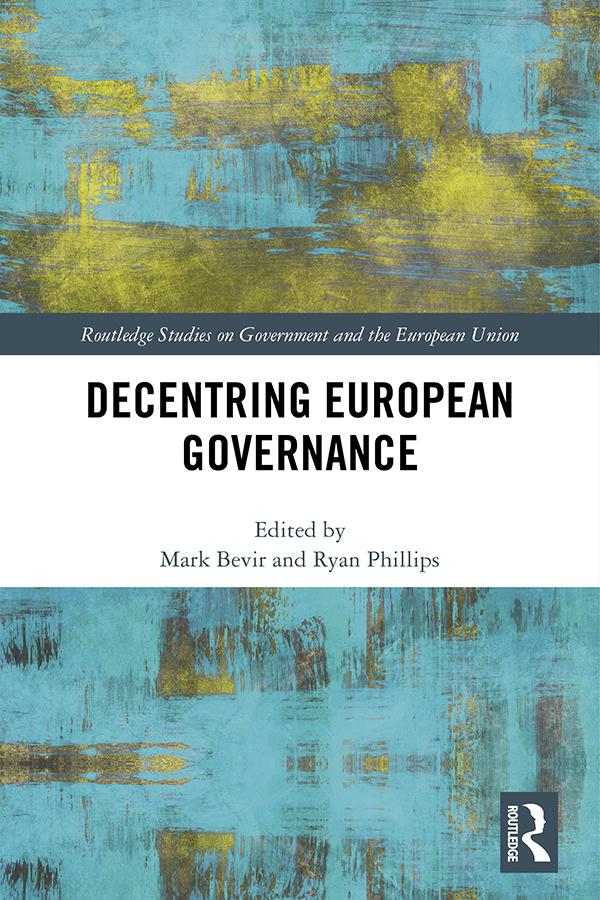
Conforming neither to the hierarchical and bureaucratic organization of the European nation-state nor the anarchical structure of international organizations, the European Union (EU) and its predecessors provide an exemplary site for developing a decentred approach to the study of governance.
The book offers an analysis of the formation and transformation of the EU as an example of governance above the nation-state and is framed by the recognition that the construction of the EU has resulted in variegated and decentred forms of governance. The chapters look at distinct aspects of EU governance to bring to light the influence of elite narratives, scientific rationalities, local traditions and meaningful practices in the making and remaking of European governance. As such, each chapter offers a unique contribution to the study of the EU. In doing so, the book challenges dominant narratives of European integration and policymaking that appeal to reified rationalities and social structures, and uncovers the contingency and conflict endemic to European governance.
This text will be of key interest to scholars and students of European Union politics, European politics/studies, governance and, more broadly, to public management, international organizations, anthropology and sociology.
Paga facilmente con carta, Klarna, Apple Pay o Google Pay. Non sei soddisfatto? Hai sempre 14 giorni per il rimborso. Leggi di più nei nostri termini. Per qualsiasi domanda, scrivici a hello@memmo.org.
Memmo rende lo studio più facile, ovunque tu sia nel mondo. Qui trovi i tuoi libri di testo e strumenti di studio intelligenti, tutto in un unico posto: riassunti, quiz, podcast e flashcard. E poi c'è Ted, il tuo compagno di studio che risponde a ogni tua domanda. Oltre 50.000 studenti studiano già qui: è stato creato per aiutarti a imparare più velocemente e a stressarti meno.