
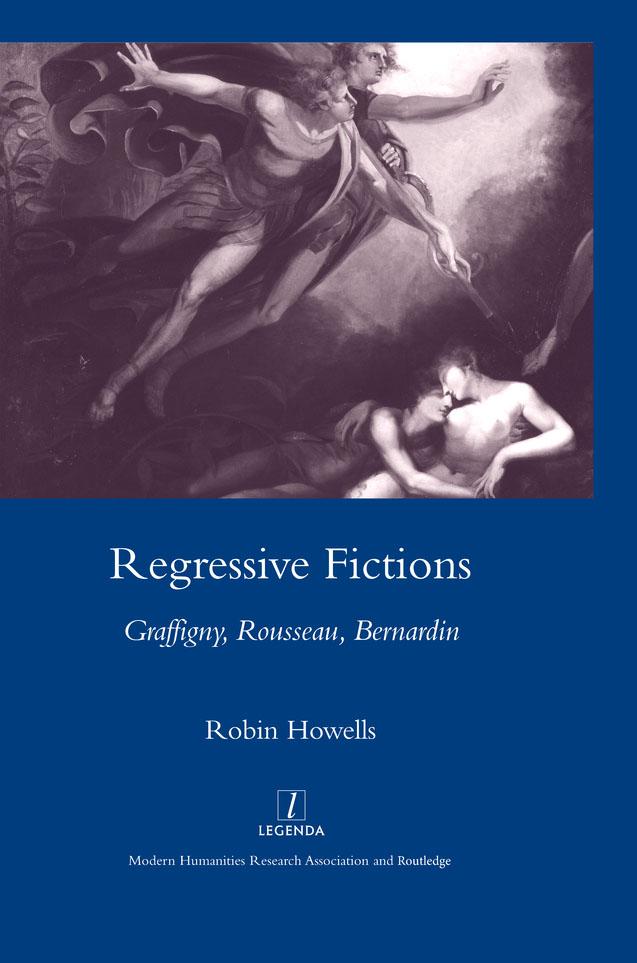
"In a cultural shift around the mid-point of the French eighteenth century, the mode of wit is increasingly displaced by bourgeois pathos. Social sophistication and sexual experience are rejected in favour of a retreat into ideal imagination. Instead of the novel of worldliness, we encounter fictions of better worlds: original, natural, familial, innocent and harmonious, protected against reality and time. The regressive shift is traced in this study in general terms, and then through detailed analysis of three of the best-selling novels of the period. The turning-point is represented by Mme de Graffignys Lettres dune Peruvienne (1747, 1752) with its profound ambivalence towards knowledge. A new order is revealed and set out, but still declared lacking, in Rousseaus Julie, ou la Nouvelle Heloise (1761). The visionary return to the organic wholeness of nature is offered by Bernardins Paul et Virginie (1788)."
Paga facilmente con carta, Klarna, Apple Pay o Google Pay. Non sei soddisfatto? Hai sempre 14 giorni per il rimborso. Leggi di più nei nostri termini. Per qualsiasi domanda, scrivici a hello@memmo.org.
Memmo rende lo studio più facile, ovunque tu sia nel mondo. Qui trovi i tuoi libri di testo e strumenti di studio intelligenti, tutto in un unico posto: riassunti, quiz, podcast e flashcard. E poi c'è Ted, il tuo compagno di studio che risponde a ogni tua domanda. Oltre 50.000 studenti studiano già qui: è stato creato per aiutarti a imparare più velocemente e a stressarti meno.
Potrebbe interessarti anche
Acquista il libro0