
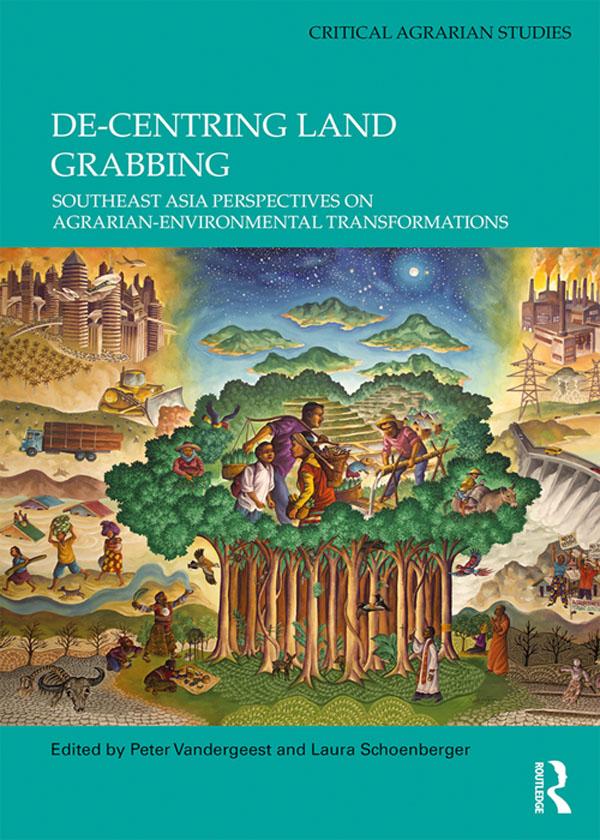
Southeast Asia has been portrayed as a key site in the global land grab. Featuring leading scholars in the field, this collection critically examines the nature and extent of land grabbing in Southeast Asia, and seeks to locate this phenomena in broader agrarian and environmental transitions (AET). The individual contributions suggest that there is little evidence of a global land grab in Southeast Asia, but that over the last ten years the surge of plantations and processes of land grabbing has been a key feature in the region. The collection considers how broader AET processes may be brought more clearly into focus by decentring land grabbing, including consideration of its absence as well presence. The diversity of cases in this collection coalesces around the productive tension in land grab studies between global capitalist processes on the one hand, and context-specificity and contingent motivations fuelling the expansion of large-scale plantations for oil palm, rubber, cassava and other cash crops, on the other hand. The contributors further broaden the entry points to consider cross-sectoral AET processes such as enclosures for mining, conservation and hydropower and explore the contingencies that help to maintain smallholder production.
The chapters originally published as a special issue in The Journal of Peasant Studies.
Paga facilmente con carta, Klarna, Apple Pay o Google Pay. Non sei soddisfatto? Hai sempre 14 giorni per il rimborso. Leggi di più nei nostri termini. Per qualsiasi domanda, scrivici a hello@memmo.org.
Memmo rende lo studio più facile, ovunque tu sia nel mondo. Qui trovi i tuoi libri di testo e strumenti di studio intelligenti, tutto in un unico posto: riassunti, quiz, podcast e flashcard. E poi c'è Ted, il tuo compagno di studio che risponde a ogni tua domanda. Oltre 50.000 studenti studiano già qui: è stato creato per aiutarti a imparare più velocemente e a stressarti meno.