
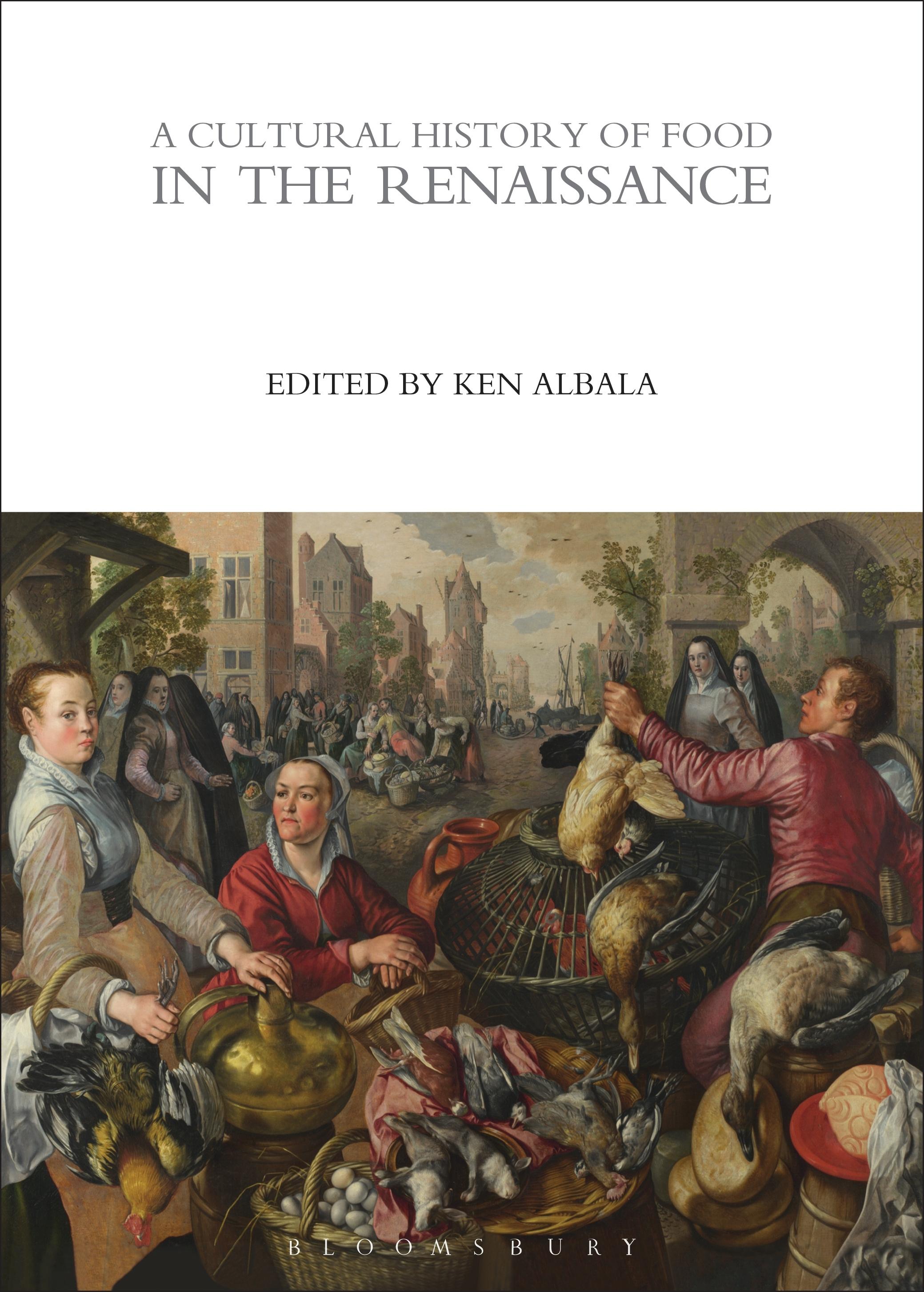
Food and attitudes toward it were transformed in Renaissance Europe. The period between 1300 and 1600 saw the discovery of the New World and the cultivation of new foodstuffs, as well as the efflorescence of culinary literature in European courts and eventually in the popular press, and most importantly the transformation of the economy on a global scale. Food became the object of rigorous investigation among physicians, theologians, agronomists and even poets and artists. Concern with eating was, in fact, central to the cultural dynamism we now recognize as the Renaissance.
A Cultural History of Food in the Renaissance presents an overview of the period with essays on food production, food systems, food security, safety and crises, food and politics, eating out, professional cooking, kitchens and service work, family and domesticity, body and soul, representations of food, and developments in food production and consumption globally.
A Cultural History of Food in the Renaissance presents an overview of the period with essays on food production, food systems, food security, safety and crises, food and politics, eating out, professional cooking, kitchens and service work, family and domesticity, body and soul, representations of food, and developments in food production and consumption globally.
Paga facilmente con carta, Klarna, Apple Pay o Google Pay. Non sei soddisfatto? Hai sempre 14 giorni per il rimborso. Leggi di più nei nostri termini. Per qualsiasi domanda, scrivici a hello@memmo.org.
Memmo rende lo studio più facile, ovunque tu sia nel mondo. Qui trovi i tuoi libri di testo e strumenti di studio intelligenti, tutto in un unico posto: riassunti, quiz, podcast e flashcard. E poi c'è Ted, il tuo compagno di studio che risponde a ogni tua domanda. Oltre 50.000 studenti studiano già qui: è stato creato per aiutarti a imparare più velocemente e a stressarti meno.