
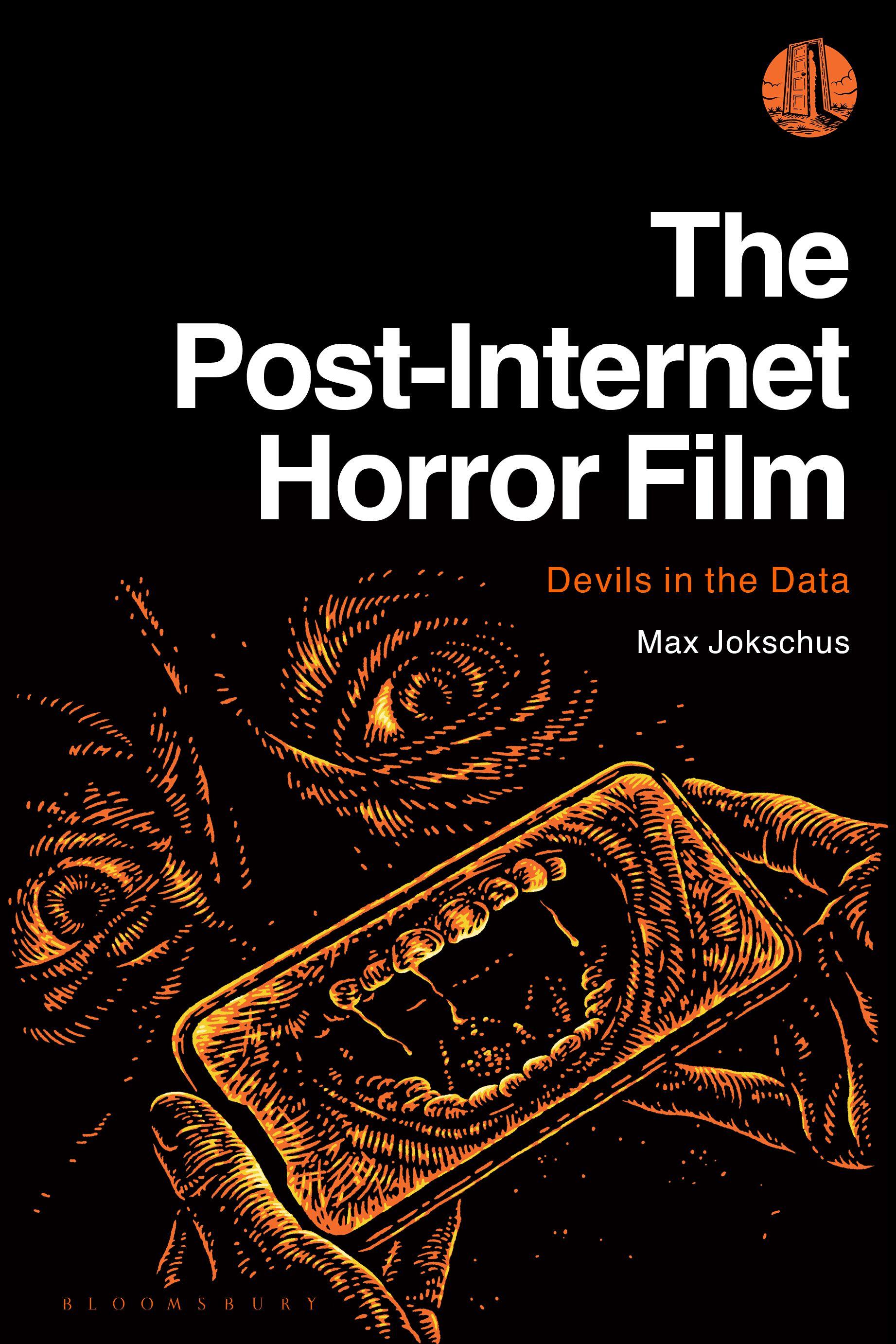
An exploration of how contemporary horror films focusing on the internet engage with society's material, functional and ideological reorientation to new digital realities, this book shows how subjects can resist the age of data capitalism and the authority of the algorithm.
Upending the notion that the horror genre – arguably the seismograph of cultural unease – has remained unresponsive to the unprecedented dangers of the digital age, The Post-Internet Horror Film illustrates how the genre tackles the (un)representability of ubiquitous computing. With consideration of how 'smart' technologies and interconnectedness of all computing devises via the web destabilise conceptions of the internet, Max Jokschus examines to what extent contemporary internet horror films contribute to fostering awareness of the internet's political economy – and how they, indeed, obscure it.
Detailing a new phenomenon that will only become more urgent with time, and calling upon data-capitalism criticism, Jokschus provides a systemic analysis of this emerging genre, its semiotics, affects and ideologies. Breaking the genre down into first and second-wave internet horror cycles and covering themes 'cyberphobia', 'datanoia' and the dark web, the book makes case studies of such films as Strangeland (1999), Pulse (2001), The Lawnmower Man (1992), Chatroom (2010), Cyberbully (2015), Girl House (2016), Bedeviled (2016), Child's Play (2019), Countdown (2018), Selfie From Hell (2018), and Dark Web: Descent into Hell (2021). Offering new ways to think, write and teach about the horror film, as well as modelling how critical internet studies and film studies can expand each other's insights, The Post-Internet Horror Film explores a new kind of scary but also avenues for user agency and resistance.
Upending the notion that the horror genre – arguably the seismograph of cultural unease – has remained unresponsive to the unprecedented dangers of the digital age, The Post-Internet Horror Film illustrates how the genre tackles the (un)representability of ubiquitous computing. With consideration of how 'smart' technologies and interconnectedness of all computing devises via the web destabilise conceptions of the internet, Max Jokschus examines to what extent contemporary internet horror films contribute to fostering awareness of the internet's political economy – and how they, indeed, obscure it.
Detailing a new phenomenon that will only become more urgent with time, and calling upon data-capitalism criticism, Jokschus provides a systemic analysis of this emerging genre, its semiotics, affects and ideologies. Breaking the genre down into first and second-wave internet horror cycles and covering themes 'cyberphobia', 'datanoia' and the dark web, the book makes case studies of such films as Strangeland (1999), Pulse (2001), The Lawnmower Man (1992), Chatroom (2010), Cyberbully (2015), Girl House (2016), Bedeviled (2016), Child's Play (2019), Countdown (2018), Selfie From Hell (2018), and Dark Web: Descent into Hell (2021). Offering new ways to think, write and teach about the horror film, as well as modelling how critical internet studies and film studies can expand each other's insights, The Post-Internet Horror Film explores a new kind of scary but also avenues for user agency and resistance.
Pagine: 216
Categoria: Film- & Medievetenskap
e-ISBN: 9781350611184
Peso di spedizione: 1.2 kg
Spedito in: 1-2 giorni
Paga facilmente con carta, Klarna, Apple Pay o Google Pay. Non sei soddisfatto? Hai sempre 14 giorni per il rimborso. Leggi di più nei nostri termini. Per qualsiasi domanda, scrivici a hello@memmo.org.
Memmo rende lo studio più facile, ovunque tu sia nel mondo. Qui trovi i tuoi libri di testo e strumenti di studio intelligenti, tutto in un unico posto: riassunti, quiz, podcast e flashcard. E poi c'è Ted, il tuo compagno di studio che risponde a ogni tua domanda. Oltre 50.000 studenti studiano già qui: è stato creato per aiutarti a imparare più velocemente e a stressarti meno.