
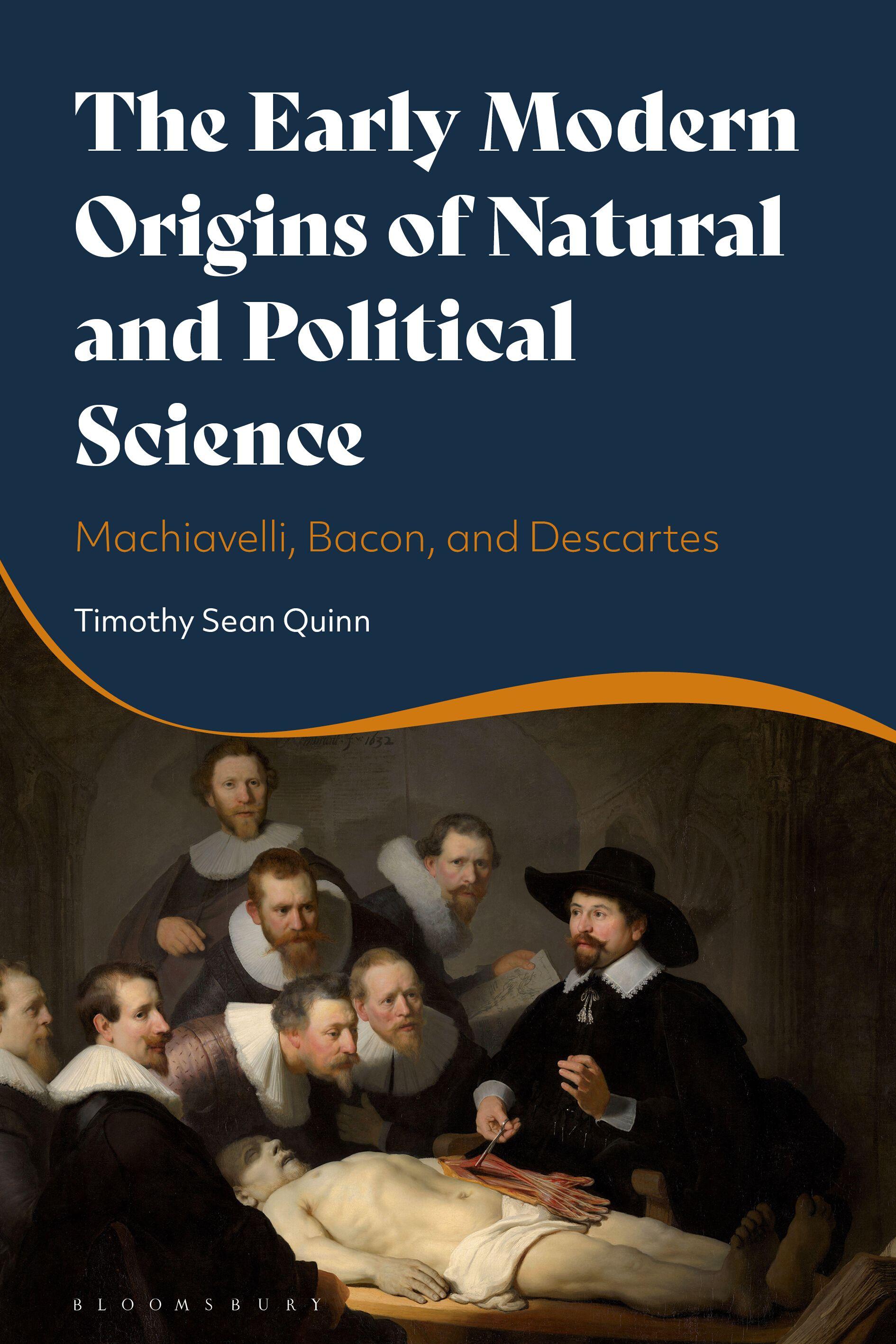
Through a detailed analysis of the work of 3 key figures in early modern thought – Niccolò Machiavelli, Francis Bacon, and René Descartes – Timothy Sean Quinn investigates the roots of modernist attitudes connecting science and politics and what this means for society today.
Putting these seminal thinkers into dialogue, this book explores how modern natural science was shaped by Machiavelli's political theory. In particular, it uncovers the ways in which Bacon and Descartes assimilated Machiavelli's political philosophy, and his rejection of ancient Greek and Christian idealism, into a new concept of nature. Developed in numerous treatises, including Bacon's Idola Mentis and Descartes' Discourse on Method, this new concept of nature fundamentally reoriented the practice of science and brought new ways to conceive the relationship between science and civil society.
Beyond a historical survey, Quinn argues that a return to and questioning of early modern thought is crucial in light of today's societal crises. From the rise of totalitarianism to climate change, progress in the last century has failed on modernity's promise to redeem the human condition. Boldly arguing against the common idea that the roots of today's problems lie in the industrial revolution of the 18th and 19th centuries, this volume proposes instead that they lie in the origins of natural and political science as put forward by Bacon, Descartes, and at one remove, Machiavelli.
Putting these seminal thinkers into dialogue, this book explores how modern natural science was shaped by Machiavelli's political theory. In particular, it uncovers the ways in which Bacon and Descartes assimilated Machiavelli's political philosophy, and his rejection of ancient Greek and Christian idealism, into a new concept of nature. Developed in numerous treatises, including Bacon's Idola Mentis and Descartes' Discourse on Method, this new concept of nature fundamentally reoriented the practice of science and brought new ways to conceive the relationship between science and civil society.
Beyond a historical survey, Quinn argues that a return to and questioning of early modern thought is crucial in light of today's societal crises. From the rise of totalitarianism to climate change, progress in the last century has failed on modernity's promise to redeem the human condition. Boldly arguing against the common idea that the roots of today's problems lie in the industrial revolution of the 18th and 19th centuries, this volume proposes instead that they lie in the origins of natural and political science as put forward by Bacon, Descartes, and at one remove, Machiavelli.
Paga facilmente con carta, Klarna, Apple Pay o Google Pay. Non sei soddisfatto? Hai sempre 14 giorni per il rimborso. Leggi di più nei nostri termini. Per qualsiasi domanda, scrivici a hello@memmo.org.
Memmo rende lo studio più facile, ovunque tu sia nel mondo. Qui trovi i tuoi libri di testo e strumenti di studio intelligenti, tutto in un unico posto: riassunti, quiz, podcast e flashcard. E poi c'è Ted, il tuo compagno di studio che risponde a ogni tua domanda. Oltre 50.000 studenti studiano già qui: è stato creato per aiutarti a imparare più velocemente e a stressarti meno.