
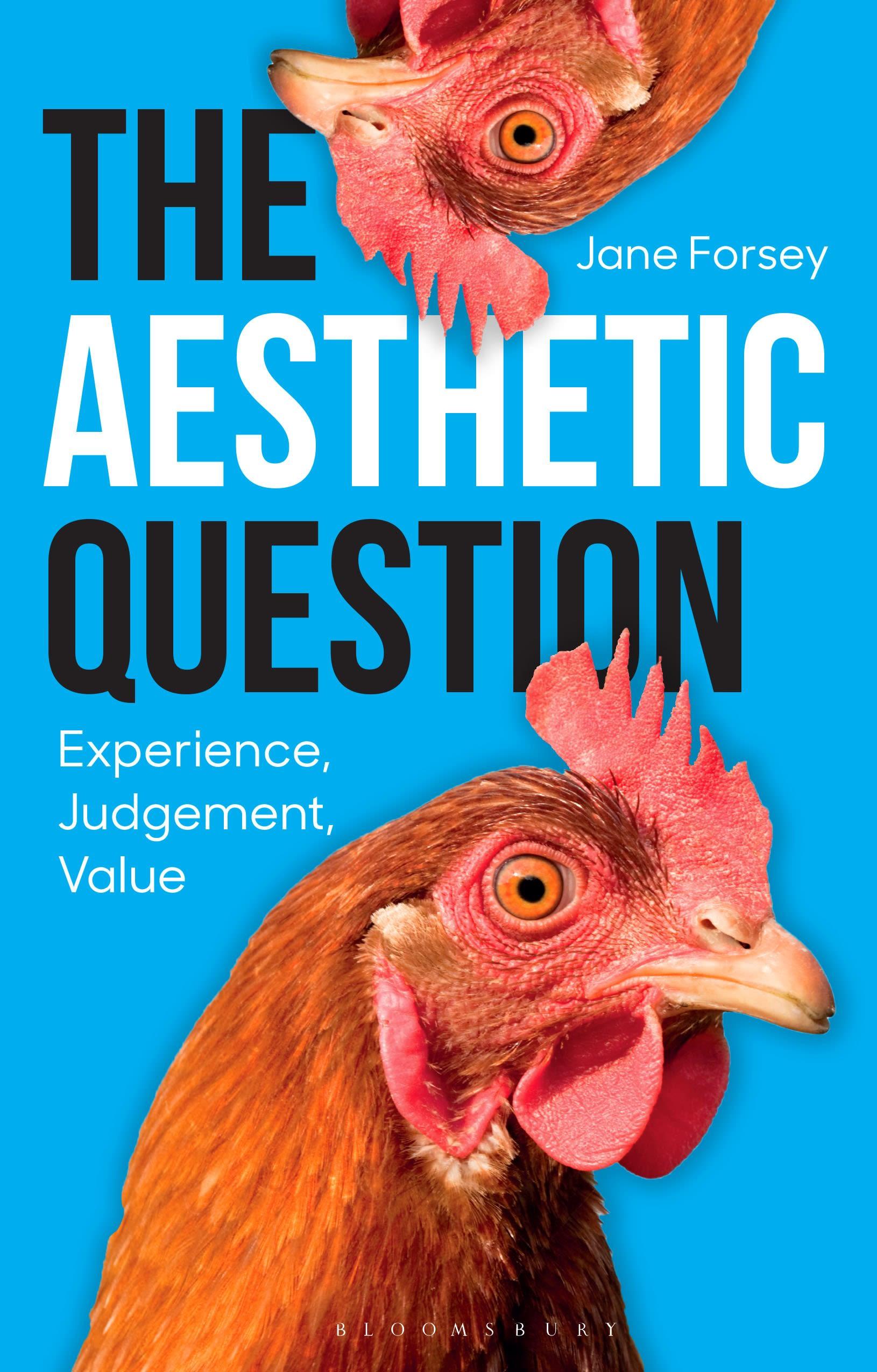
What is the nature and meaning of the 'aesthetic'? This question animates Jane Forsey's provocative dive into the foundations of philosophical aesthetics. The result is a compelling new theory of aesthetic experience that draws upon attention, judgement and value as central to our responses to the world we encounter.
We liberally apply 'aesthetic' to a wealth of experiences from horror movies, fashion and perfume to food, fine art and gardening. But underlying our use is a long-standing commitment to the centrality of pleasure. Forsey reveals why traditional aesthetic theories find it difficult to include experiences of the negative-the ugly, the fearsome, the grotesque, the banal- and exposes their inability to adequately reflect the multiplicity of ways we can experience the world.
Through an entertaining analysis of major themes and the latest debates around realism, value empiricism, and the everyday, Forsey argues that a connection to positive valuation severely restricts the kinds of things that can be counted as justifiably aesthetic. She introduces us to the notion of 'discordant aesthetics' and encourages us to incorporate experiences of ugliness, disorder and incoherence as legitimate forms of aesthetic engagement.
This is a call for the discipline to broaden its range and uncouple the aesthetic from its positive connotations. Forsey's fresh perspective on the fundamental question of 'what is the aesthetic?' shows us a more consistent, coherent way of articulating the experiences in our lives.
We liberally apply 'aesthetic' to a wealth of experiences from horror movies, fashion and perfume to food, fine art and gardening. But underlying our use is a long-standing commitment to the centrality of pleasure. Forsey reveals why traditional aesthetic theories find it difficult to include experiences of the negative-the ugly, the fearsome, the grotesque, the banal- and exposes their inability to adequately reflect the multiplicity of ways we can experience the world.
Through an entertaining analysis of major themes and the latest debates around realism, value empiricism, and the everyday, Forsey argues that a connection to positive valuation severely restricts the kinds of things that can be counted as justifiably aesthetic. She introduces us to the notion of 'discordant aesthetics' and encourages us to incorporate experiences of ugliness, disorder and incoherence as legitimate forms of aesthetic engagement.
This is a call for the discipline to broaden its range and uncouple the aesthetic from its positive connotations. Forsey's fresh perspective on the fundamental question of 'what is the aesthetic?' shows us a more consistent, coherent way of articulating the experiences in our lives.
Paga facilmente con carta, Klarna, Apple Pay o Google Pay. Non sei soddisfatto? Hai sempre 14 giorni per il rimborso. Leggi di più nei nostri termini. Per qualsiasi domanda, scrivici a hello@memmo.org.
Memmo rende lo studio più facile, ovunque tu sia nel mondo. Qui trovi i tuoi libri di testo e strumenti di studio intelligenti, tutto in un unico posto: riassunti, quiz, podcast e flashcard. E poi c'è Ted, il tuo compagno di studio che risponde a ogni tua domanda. Oltre 50.000 studenti studiano già qui: è stato creato per aiutarti a imparare più velocemente e a stressarti meno.