
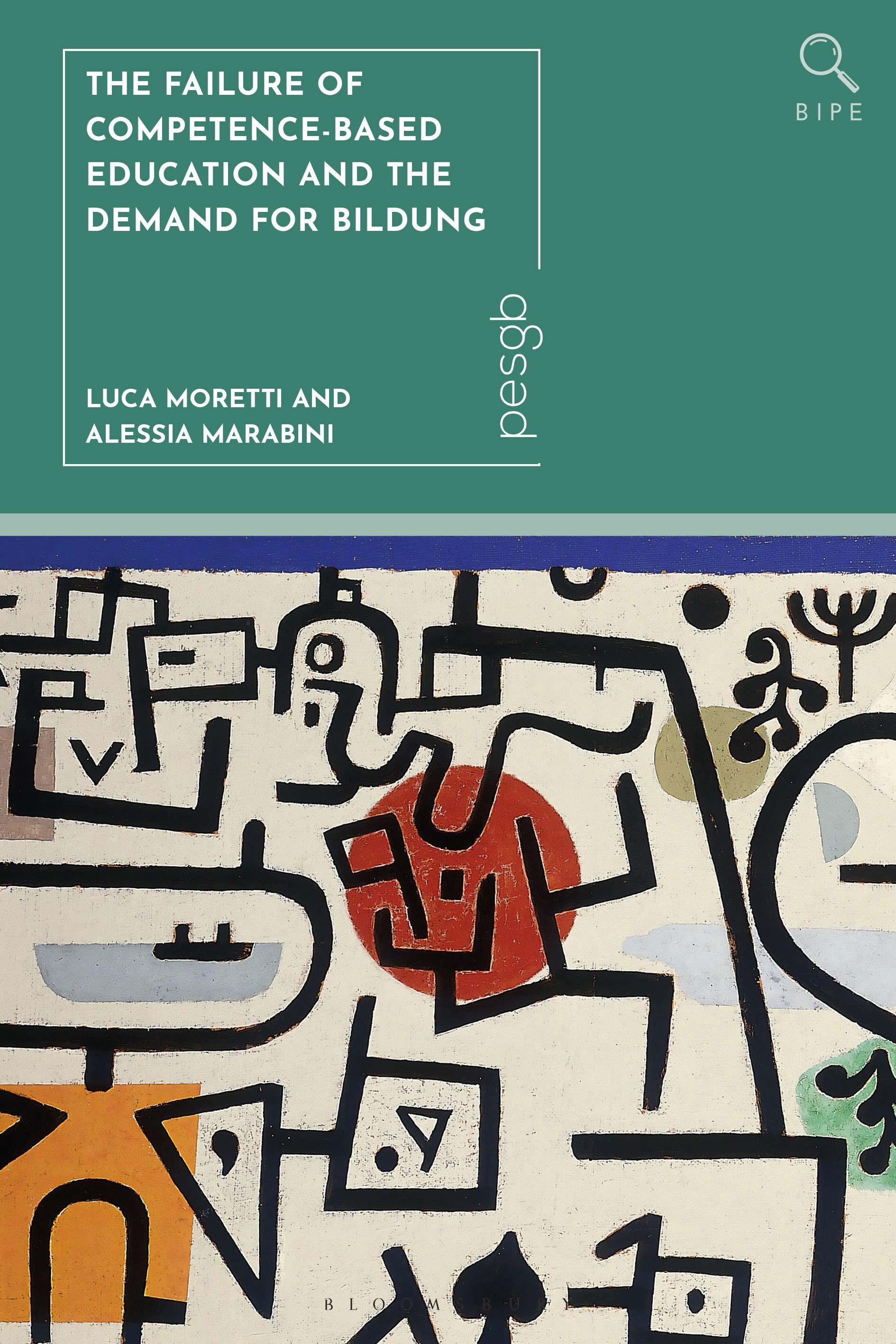
This book contrasts two prominent models of education, Competence-Based Education (CBE) which is the dominant model in most school systems of the world, and Bildung-Oriented Education (BOE), once the basis of school systems of Northern Europe.
CBE interprets learning as the acquisition of clearly definable and allegedly measurable competences, and it is supported by supranational organisations, such as the OECD. BOE characterises learning holistically, aimed at the progressive articulation of a meaningful 'big picture' in the student's mind. Moretti and Marabini argue that, in spite of its celebrated 'scientificity', CBE is incoherent and unreliable, and contributes to structural forms of oppression and injustice, fosters social pathologies, and fails to provide students with the kind of intellectual autonomy they need in our complex post-industrial societies. They defend BOE from objections made by critical theorists, poststructuralists and postcolonial thinkers, and argue that it is a coherent and flexible model of education that endows students with autonomy and responsibility, and can help heal social pathologies. The book builds analytical bridges and explores connections between philosophy of education and important issues currently debated in critical theory, political philosophy and social epistemology.
CBE interprets learning as the acquisition of clearly definable and allegedly measurable competences, and it is supported by supranational organisations, such as the OECD. BOE characterises learning holistically, aimed at the progressive articulation of a meaningful 'big picture' in the student's mind. Moretti and Marabini argue that, in spite of its celebrated 'scientificity', CBE is incoherent and unreliable, and contributes to structural forms of oppression and injustice, fosters social pathologies, and fails to provide students with the kind of intellectual autonomy they need in our complex post-industrial societies. They defend BOE from objections made by critical theorists, poststructuralists and postcolonial thinkers, and argue that it is a coherent and flexible model of education that endows students with autonomy and responsibility, and can help heal social pathologies. The book builds analytical bridges and explores connections between philosophy of education and important issues currently debated in critical theory, political philosophy and social epistemology.
Pagine: 304
Categoria: Utbildning & lärande
e-ISBN: 9781350518001
Peso di spedizione: 1.2 kg
Spedito in: 1-2 giorni
Paga facilmente con carta, Klarna, Apple Pay o Google Pay. Non sei soddisfatto? Hai sempre 14 giorni per il rimborso. Leggi di più nei nostri termini. Per qualsiasi domanda, scrivici a hello@memmo.org.
Memmo rende lo studio più facile, ovunque tu sia nel mondo. Qui trovi i tuoi libri di testo e strumenti di studio intelligenti, tutto in un unico posto: riassunti, quiz, podcast e flashcard. E poi c'è Ted, il tuo compagno di studio che risponde a ogni tua domanda. Oltre 50.000 studenti studiano già qui: è stato creato per aiutarti a imparare più velocemente e a stressarti meno.