
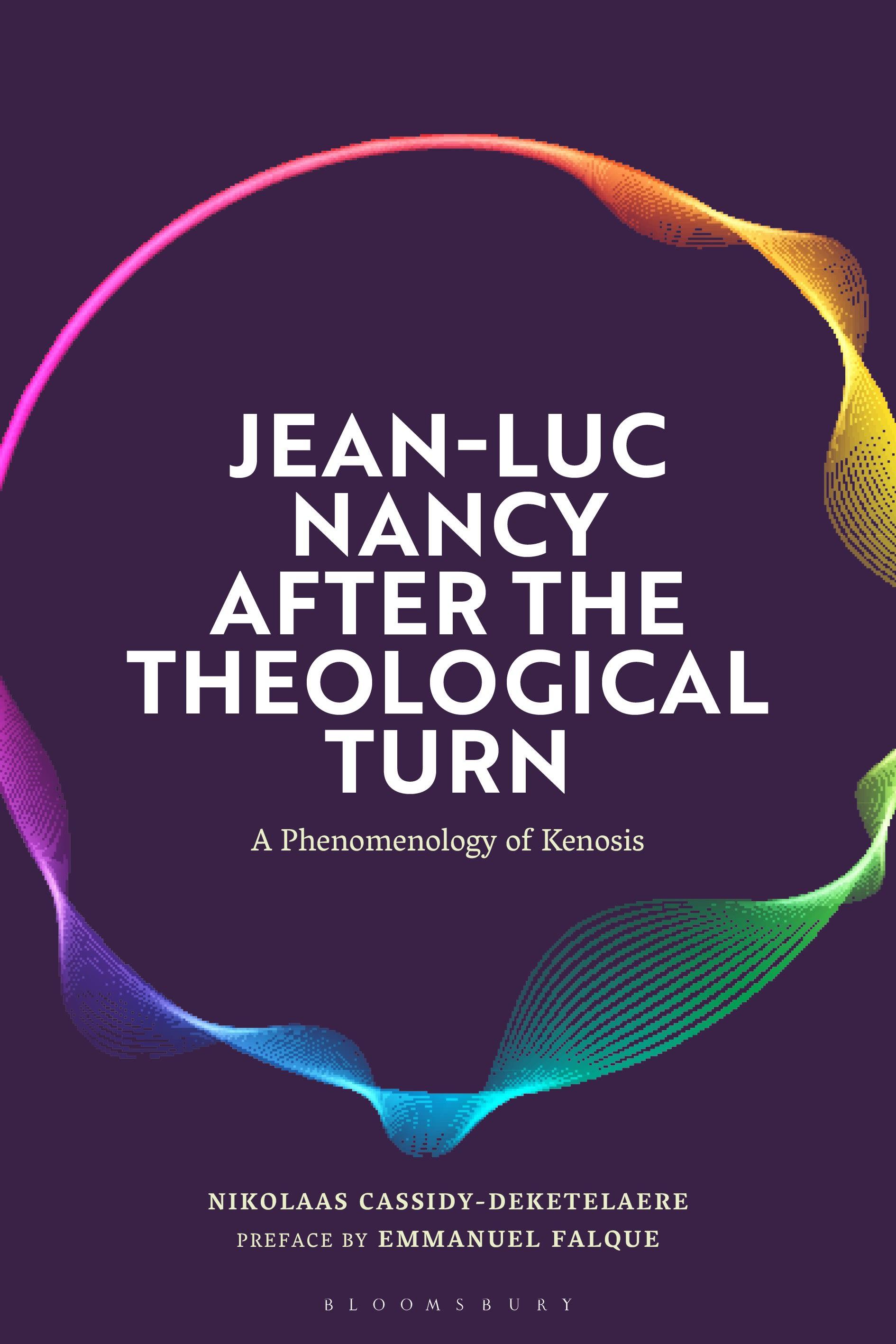
Nikolaas Cassidy-Deketelaere provides a novel and profound reading of Jean-Luc Nancy's deconstruction of Christianity in the context of French phenomenology's 'theological turn'.
Deftly exploring Nancy's work alongside major contemporary phenomenologists including Jean-Luc Marion, Michel Henry, Jean-Louis Chrétien and Emmanuel Falque, Jean-Luc Nancy after the Theological Turn argues that only by turning to theology can phenomenology come into its own as philosophy. Following Derrida's treatment of Nancy, Cassidy-Deketelaere thinks 'after' the theological turn by deconstructing phenomenology's inherent theological structure which made that turn possible; starting from the theological turn, this book seeks to move beyond it, that is, to 'de-theologise' phenomenology. This approach parallels Nancy's engagement with Christianity: drawing on Paul's kenosis – according to which God empties himself of his divinity in the Incarnation – Nancy understands Christianity as deconstructing or de-theologising itself.
Written in elegant and clear prose, this volume clarifies the phenomenological and theological consequences of one the most influential modern thinkers' philosophy.
Deftly exploring Nancy's work alongside major contemporary phenomenologists including Jean-Luc Marion, Michel Henry, Jean-Louis Chrétien and Emmanuel Falque, Jean-Luc Nancy after the Theological Turn argues that only by turning to theology can phenomenology come into its own as philosophy. Following Derrida's treatment of Nancy, Cassidy-Deketelaere thinks 'after' the theological turn by deconstructing phenomenology's inherent theological structure which made that turn possible; starting from the theological turn, this book seeks to move beyond it, that is, to 'de-theologise' phenomenology. This approach parallels Nancy's engagement with Christianity: drawing on Paul's kenosis – according to which God empties himself of his divinity in the Incarnation – Nancy understands Christianity as deconstructing or de-theologising itself.
Written in elegant and clear prose, this volume clarifies the phenomenological and theological consequences of one the most influential modern thinkers' philosophy.
Paga facilmente con carta, Klarna, Apple Pay o Google Pay. Non sei soddisfatto? Hai sempre 14 giorni per il rimborso. Leggi di più nei nostri termini. Per qualsiasi domanda, scrivici a hello@memmo.org.
Memmo rende lo studio più facile, ovunque tu sia nel mondo. Qui trovi i tuoi libri di testo e strumenti di studio intelligenti, tutto in un unico posto: riassunti, quiz, podcast e flashcard. E poi c'è Ted, il tuo compagno di studio che risponde a ogni tua domanda. Oltre 50.000 studenti studiano già qui: è stato creato per aiutarti a imparare più velocemente e a stressarti meno.