
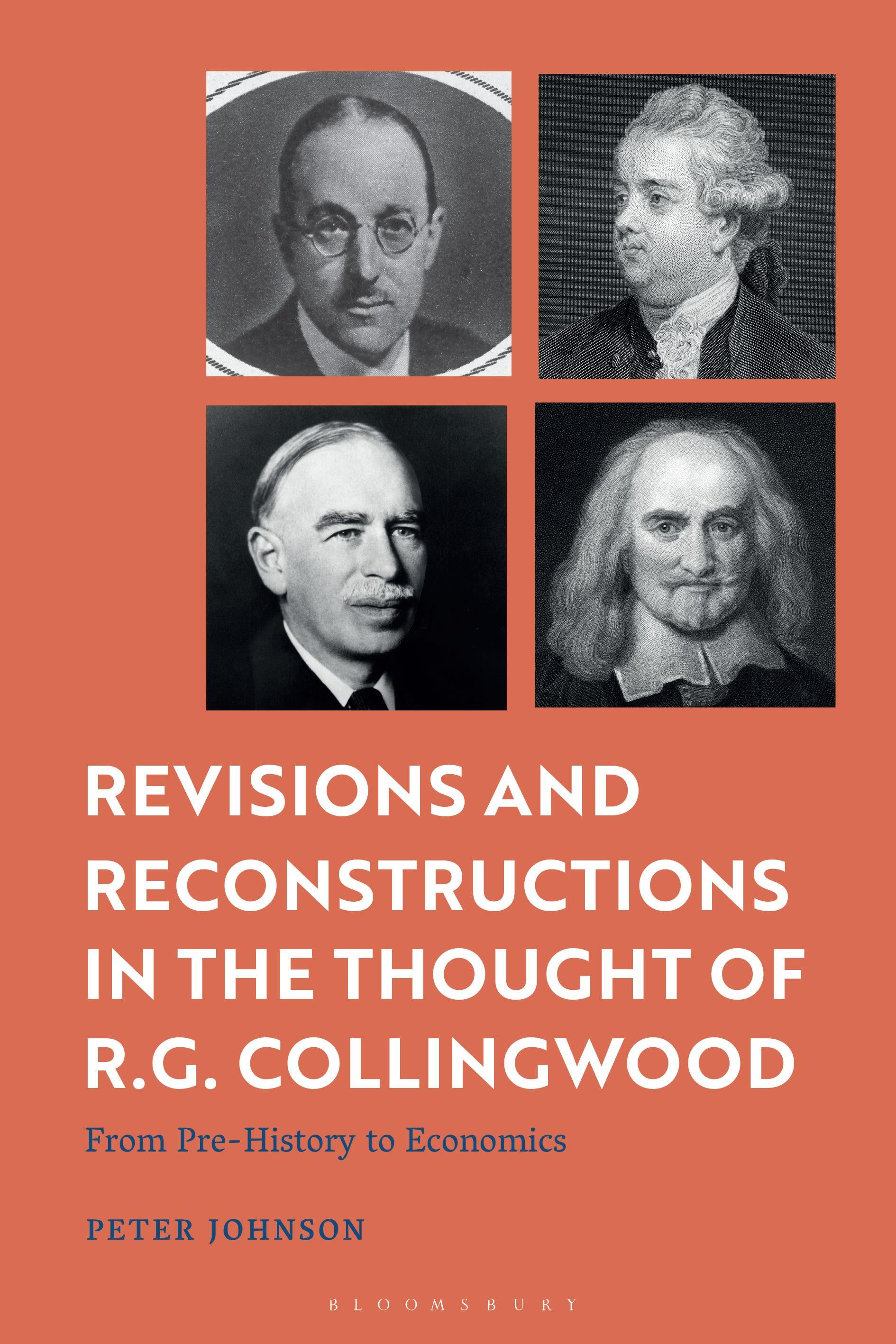
Opening new ground in neglected aspects of R.G. Collingwood's philosophy, Peter Johnson presents essays on Collingwood as a pre-historian, economist, Christian and commentator of Edward Gibbon together with an investigation into the connection between his later works.
The chapters shed light on Collingwood's distinctive account of pre-history, the relationship between his last great works The Principles of History and The New Leviathan, and his views on money in comparison to those of J.M. Keynes. They also consider his assessment of Edward Gibbon as a historian and his use of biblical citation in relation to the work of Thomas Hobbes. Johnson's insightful reflections and in-depth analysis of a range of areas in Collingwood's thinking connect them through historical and conceptual themes relevant to contemporary debates about his philosophy.
Uniting important and unique perspectives for understanding the scope and depth of Collingwood's philosophy, Johnson's detailed examination of previously underexplored topics will be welcomed by students and scholars across philosophy of history, pre-history, economic theory, intellectual history and philosophical hermeneutics.
The chapters shed light on Collingwood's distinctive account of pre-history, the relationship between his last great works The Principles of History and The New Leviathan, and his views on money in comparison to those of J.M. Keynes. They also consider his assessment of Edward Gibbon as a historian and his use of biblical citation in relation to the work of Thomas Hobbes. Johnson's insightful reflections and in-depth analysis of a range of areas in Collingwood's thinking connect them through historical and conceptual themes relevant to contemporary debates about his philosophy.
Uniting important and unique perspectives for understanding the scope and depth of Collingwood's philosophy, Johnson's detailed examination of previously underexplored topics will be welcomed by students and scholars across philosophy of history, pre-history, economic theory, intellectual history and philosophical hermeneutics.
Paga facilmente con carta, Klarna, Apple Pay o Google Pay. Non sei soddisfatto? Hai sempre 14 giorni per il rimborso. Leggi di più nei nostri termini. Per qualsiasi domanda, scrivici a hello@memmo.org.
Memmo rende lo studio più facile, ovunque tu sia nel mondo. Qui trovi i tuoi libri di testo e strumenti di studio intelligenti, tutto in un unico posto: riassunti, quiz, podcast e flashcard. E poi c'è Ted, il tuo compagno di studio che risponde a ogni tua domanda. Oltre 50.000 studenti studiano già qui: è stato creato per aiutarti a imparare più velocemente e a stressarti meno.