
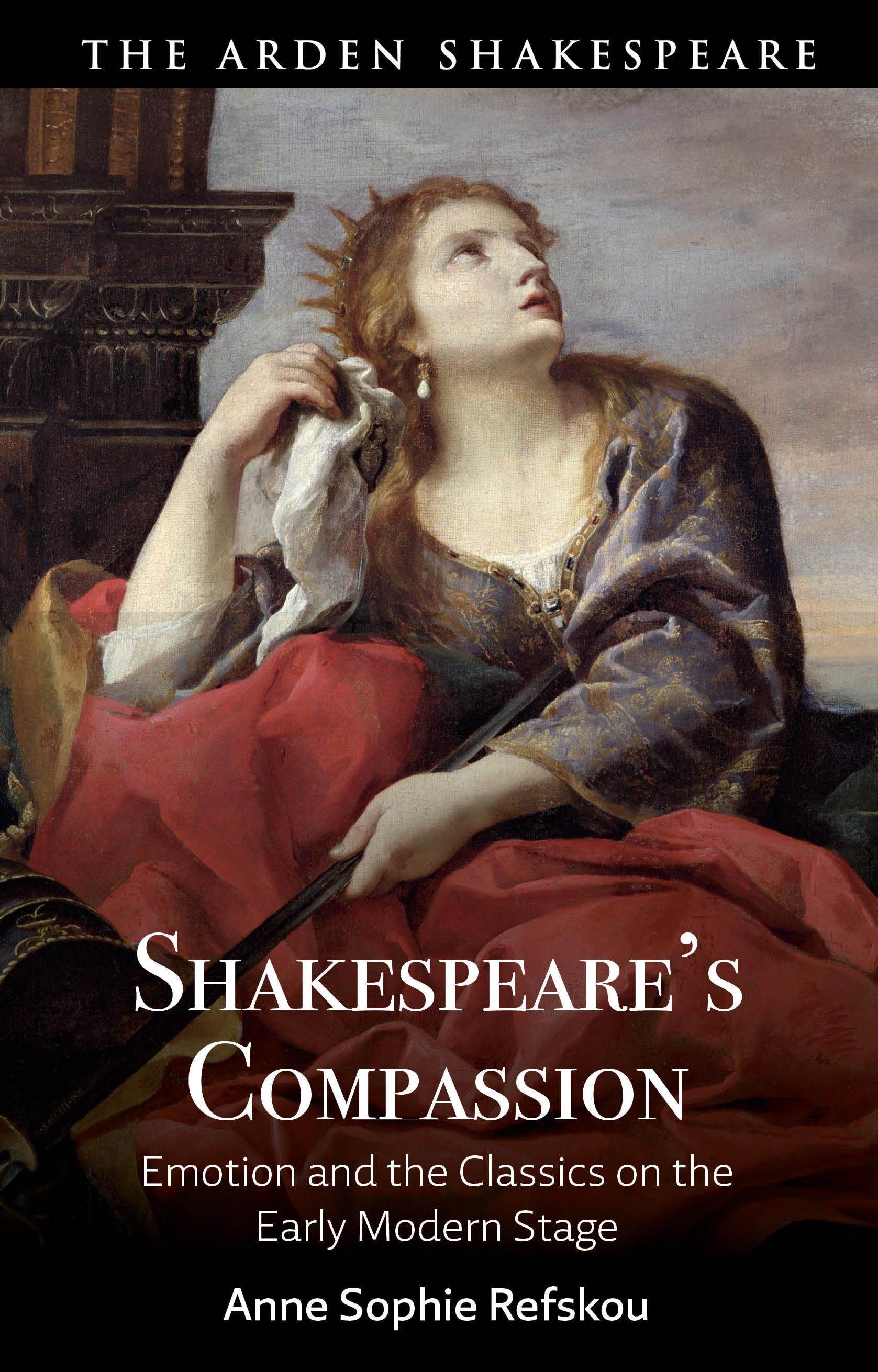
This book shows that Shakespeare's dramatization of compassion, far from expressing a sense of universal empathy, stages a conflicted emotion available to be solicited, manipulated and at times even monopolized as a discursive vehicle for the exclusion of others.
Drawing on the history of emotions and on Shakespearean classical studies, Anne Sophie Refskou argues both that Shakespeare's compassion expresses his own historical and cultural moment and is at the same time the product of his close engagement with literature from the classical past. In so doing, she traces a set of recurrent strands in Shakespeare's engagement with discourses of compassion throughout his playwriting career, situating them in relation to plays written for the early modern stage by contemporaries, including Thomas Kyd, George Peele, Christopher Marlowe, Thomas Nashe, John Fletcher and Philip Massinger. Individual chapters offer readings of Titus Andronicus, Richard III, Hamlet and King Lear by way of comparative analysis of key classical texts – including Euripides' Hecuba and The Trojan Women, Vergil's Aeneid and Ovid's Metamorphoses – from which Shakespeare and his fellow playwrights drew sustained inspiration.
Together, the chapters demonstrate how Shakespeare's engagement with the classical literature, from which he inherited a spacious understanding of the social efficacy of emotion, enables his dramatization of issues that are central to the current critical field, including questions of race, gender, sexuality and the relationship between human beings and nonhuman animals.
Drawing on the history of emotions and on Shakespearean classical studies, Anne Sophie Refskou argues both that Shakespeare's compassion expresses his own historical and cultural moment and is at the same time the product of his close engagement with literature from the classical past. In so doing, she traces a set of recurrent strands in Shakespeare's engagement with discourses of compassion throughout his playwriting career, situating them in relation to plays written for the early modern stage by contemporaries, including Thomas Kyd, George Peele, Christopher Marlowe, Thomas Nashe, John Fletcher and Philip Massinger. Individual chapters offer readings of Titus Andronicus, Richard III, Hamlet and King Lear by way of comparative analysis of key classical texts – including Euripides' Hecuba and The Trojan Women, Vergil's Aeneid and Ovid's Metamorphoses – from which Shakespeare and his fellow playwrights drew sustained inspiration.
Together, the chapters demonstrate how Shakespeare's engagement with the classical literature, from which he inherited a spacious understanding of the social efficacy of emotion, enables his dramatization of issues that are central to the current critical field, including questions of race, gender, sexuality and the relationship between human beings and nonhuman animals.
Pagine: 208
Categoria: Litteraturvetenskap & Teori
e-ISBN: 9781350497597
Peso di spedizione: 1.2 kg
Spedito in: 1-2 giorni
Paga facilmente con carta, Klarna, Apple Pay o Google Pay. Non sei soddisfatto? Hai sempre 14 giorni per il rimborso. Leggi di più nei nostri termini. Per qualsiasi domanda, scrivici a hello@memmo.org.
Memmo rende lo studio più facile, ovunque tu sia nel mondo. Qui trovi i tuoi libri di testo e strumenti di studio intelligenti, tutto in un unico posto: riassunti, quiz, podcast e flashcard. E poi c'è Ted, il tuo compagno di studio che risponde a ogni tua domanda. Oltre 50.000 studenti studiano già qui: è stato creato per aiutarti a imparare più velocemente e a stressarti meno.