
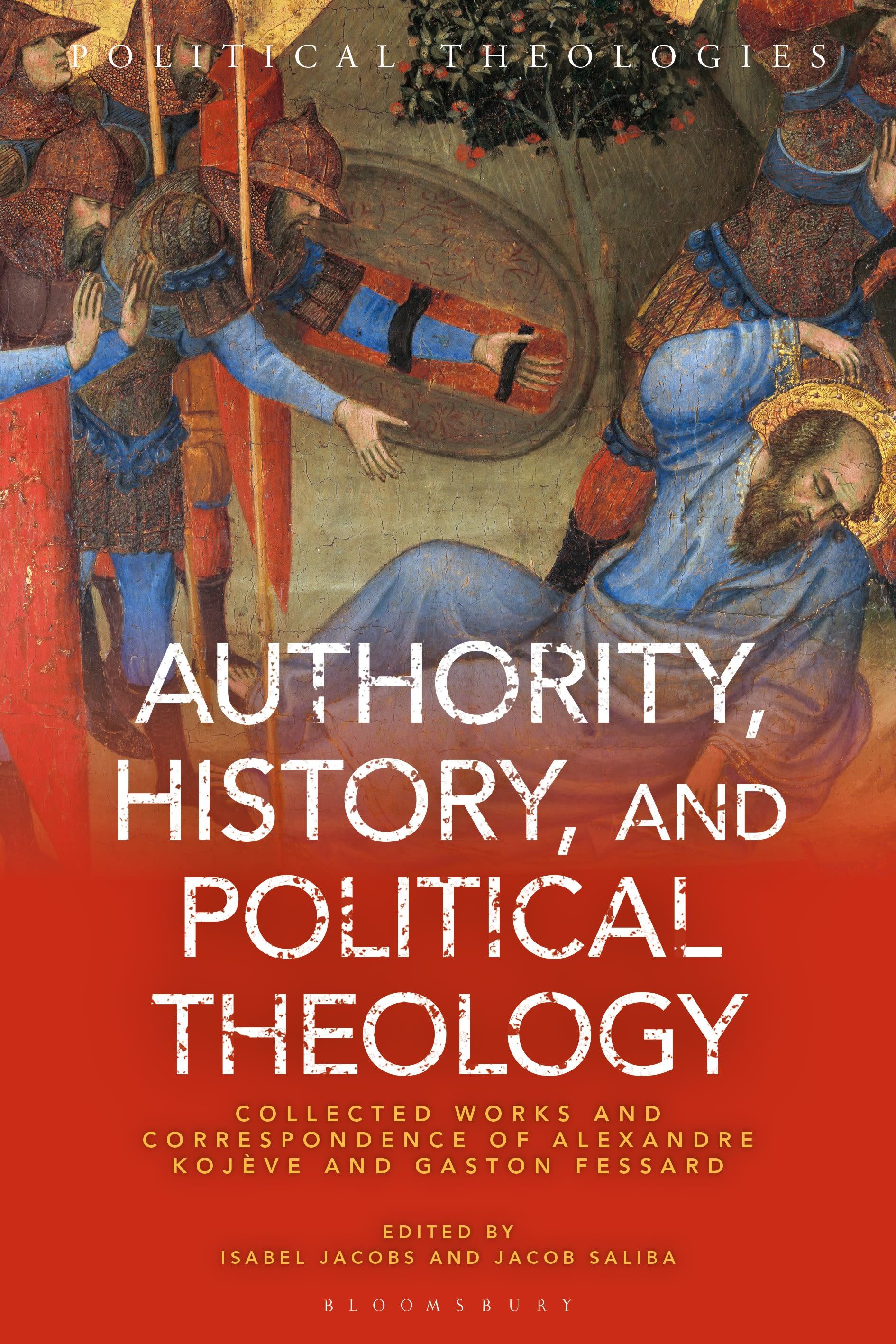
For the first time, this volume brings together the writings, lectures, and correspondence of two of the most distinctive voices in twentieth-century French thought: Alexandre Kojève (1902–1968) and Gaston Fessard (1897–1978).
Kojève is widely regarded as one of the most influential philosophers in France. His Hegel seminars of the 1930s shaped an entire generation of intellectuals, including Georges Bataille, Jacques Lacan, and Raymond Aron. Among his closest interlocutors was Gaston Fessard, a leading Jesuit theologian and himself a member of the seminar.
Authority, History, and Political Theology charts Kojève and Fessard's friendship through their reviews of each other's work, lectures, letters, and unpublished essays. These texts, many translated into English for the very first time, show how each thinker grappled with urgent political-theological issues, such as the rise of totalitarianism, secularism, and Marxism.
Including a historical introduction, the volume situates their exchange at the intersection of Hegelian philosophy, Catholic theology, and global politics. It shows how two readers of Hegel– one an atheist philosopher, the other a Jesuit theologian – challenge how we think about political life, the role of religion in the public sphere, and the meaning of the end of history. Part of Bloomsbury's Political Theologies series, this book is essential for readers interested in political theology, continental philosophy, and intellectual history.
Kojève is widely regarded as one of the most influential philosophers in France. His Hegel seminars of the 1930s shaped an entire generation of intellectuals, including Georges Bataille, Jacques Lacan, and Raymond Aron. Among his closest interlocutors was Gaston Fessard, a leading Jesuit theologian and himself a member of the seminar.
Authority, History, and Political Theology charts Kojève and Fessard's friendship through their reviews of each other's work, lectures, letters, and unpublished essays. These texts, many translated into English for the very first time, show how each thinker grappled with urgent political-theological issues, such as the rise of totalitarianism, secularism, and Marxism.
Including a historical introduction, the volume situates their exchange at the intersection of Hegelian philosophy, Catholic theology, and global politics. It shows how two readers of Hegel– one an atheist philosopher, the other a Jesuit theologian – challenge how we think about political life, the role of religion in the public sphere, and the meaning of the end of history. Part of Bloomsbury's Political Theologies series, this book is essential for readers interested in political theology, continental philosophy, and intellectual history.
Paga facilmente con carta, Klarna, Apple Pay o Google Pay. Non sei soddisfatto? Hai sempre 14 giorni per il rimborso. Leggi di più nei nostri termini. Per qualsiasi domanda, scrivici a hello@memmo.org.
Memmo rende lo studio più facile, ovunque tu sia nel mondo. Qui trovi i tuoi libri di testo e strumenti di studio intelligenti, tutto in un unico posto: riassunti, quiz, podcast e flashcard. E poi c'è Ted, il tuo compagno di studio che risponde a ogni tua domanda. Oltre 50.000 studenti studiano già qui: è stato creato per aiutarti a imparare più velocemente e a stressarti meno.