
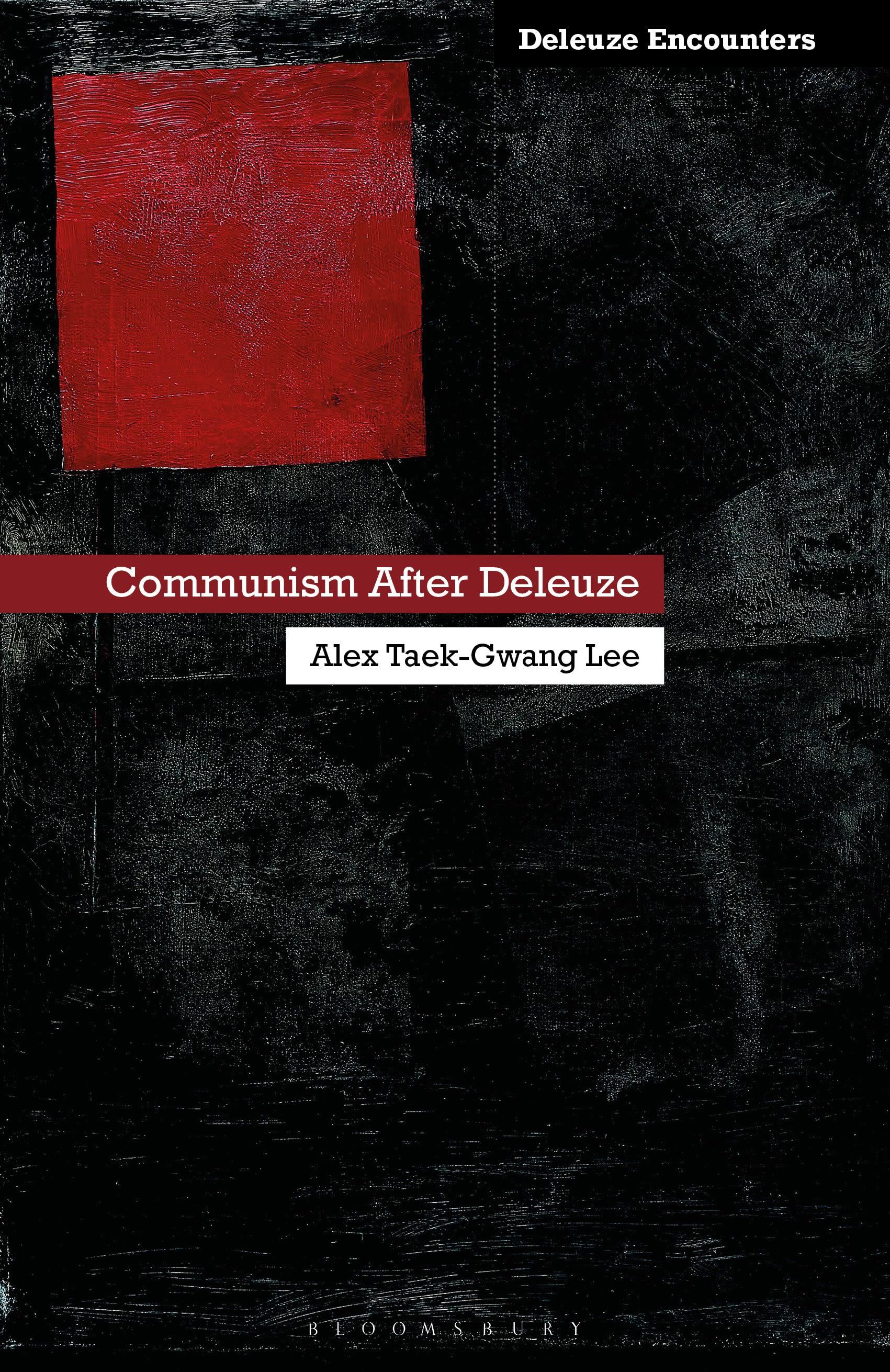
This new reading of Gilles Deleuze forges a link between his early and later works by decoding his hidden agenda for communism.
Encoded in the idea of 'the Third World', Deleuze used his concept of communism as a bulwark against fascist politics and the liberal political economy. Inspired by May 68 and its aftermath, these concealed interpretations of Marx are now tacitly forgotten but can unlock a deeper understanding of Deleuze's political project.
Often regarded as an apolitical philosopher, the challenges that Deleuze mounted to structuralism are easy to overlook. By reinvigorating the communist aspect of his political project and linking his ideas to Alain Badiou, Jacques Rancière and Slavoj Žižek, Alex Taek-Gwang Lee reveals Deleuze's objective: to rescue Marxism from the dogmatic status quo and revive its political agendas. This major undertaking situates his ideas alongside and sets out a new framework for reading the significance of Marxist thought in postwar France. Ultimately, this new understanding of Deleuze's critique of global capitalism opens up his vision of materialistic politics as a means of shaping the people and the proletariat of the future.
Encoded in the idea of 'the Third World', Deleuze used his concept of communism as a bulwark against fascist politics and the liberal political economy. Inspired by May 68 and its aftermath, these concealed interpretations of Marx are now tacitly forgotten but can unlock a deeper understanding of Deleuze's political project.
Often regarded as an apolitical philosopher, the challenges that Deleuze mounted to structuralism are easy to overlook. By reinvigorating the communist aspect of his political project and linking his ideas to Alain Badiou, Jacques Rancière and Slavoj Žižek, Alex Taek-Gwang Lee reveals Deleuze's objective: to rescue Marxism from the dogmatic status quo and revive its political agendas. This major undertaking situates his ideas alongside and sets out a new framework for reading the significance of Marxist thought in postwar France. Ultimately, this new understanding of Deleuze's critique of global capitalism opens up his vision of materialistic politics as a means of shaping the people and the proletariat of the future.
Paga facilmente con carta, Klarna, Apple Pay o Google Pay. Non sei soddisfatto? Hai sempre 14 giorni per il rimborso. Leggi di più nei nostri termini. Per qualsiasi domanda, scrivici a hello@memmo.org.
Memmo rende lo studio più facile, ovunque tu sia nel mondo. Qui trovi i tuoi libri di testo e strumenti di studio intelligenti, tutto in un unico posto: riassunti, quiz, podcast e flashcard. E poi c'è Ted, il tuo compagno di studio che risponde a ogni tua domanda. Oltre 50.000 studenti studiano già qui: è stato creato per aiutarti a imparare più velocemente e a stressarti meno.