
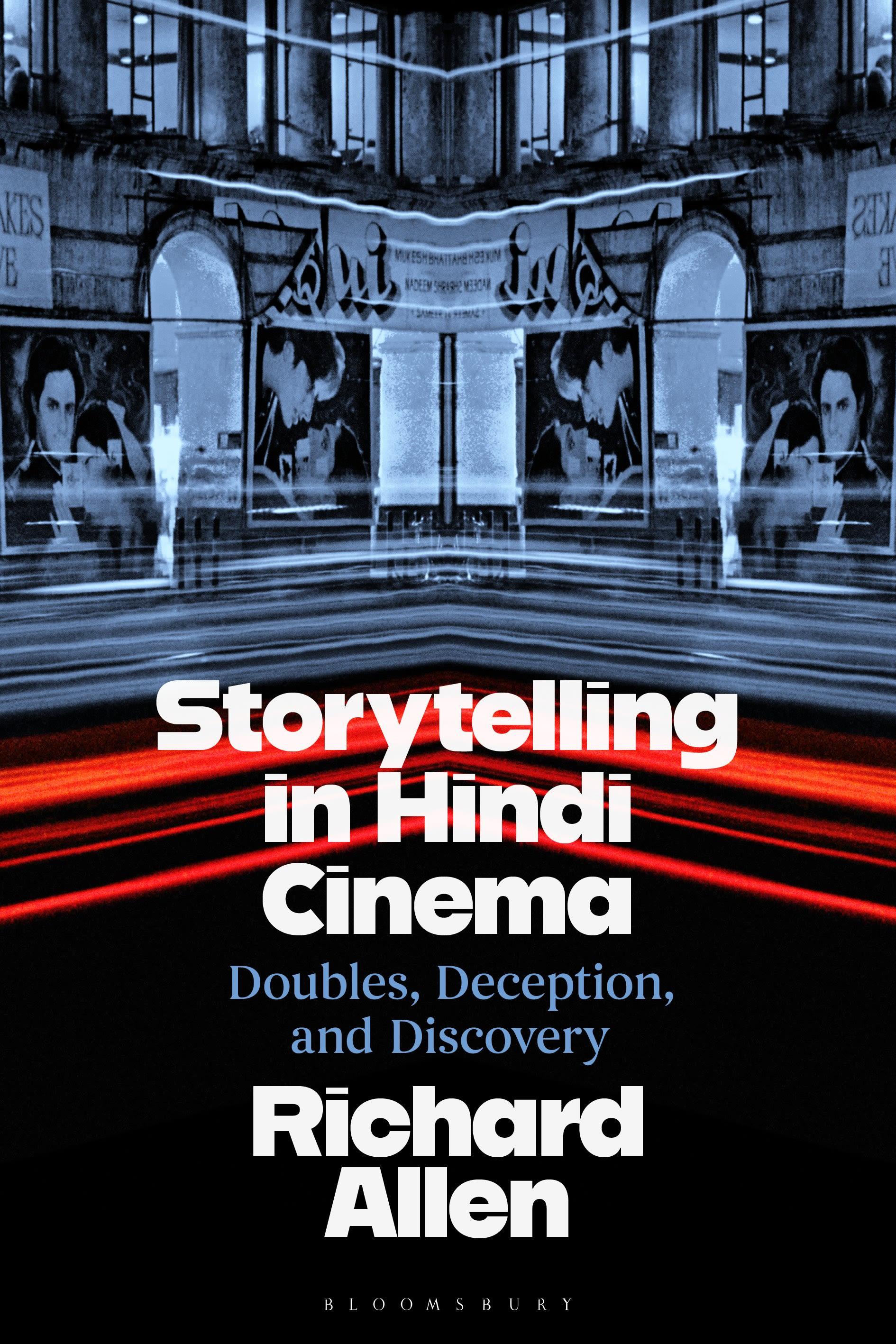
From physical duplicates to role reversals and sexual masquerades, Storytelling in Hindi Cinema provides a comprehensive overview of Hindi films centered around the figure of the double.
Richard Allen dissects the cultural significance of these double-themed plots, considering how they reflect questions of social mobility, the expression of desire, social justice, and national identity in the post-colonial period. He considers the wide array of influences that shape the genre, from Sanskrit Kathasaritsagara story-telling traditions, folk Nautanki theatres, and Tales of the Arabian Nights to colonial and post-colonial roots from Shakespeare to Hollywood melodrama. He asserts the influence of Bengali cinema, particularly of filmmaker Hrishikesh Mukherjee, and South Indian films like Hello Brother (1994) in providing diverse perspectives that enrich these narratives.
Examining a broad range of films, from 1947 to present, including Mahal (1949), Madhumati (1958), Chupke Chupke (1975), Angoor (1982), Banjaran (1991), Kal Ho Na Ho (2003) and Dostana (2008), Allen traces the evolution of the trope, even incorporating transgressive narratives like cross-dressing and gender disguise. In doing so, he highlights how these cinematic motifs navigate the complexities of traditional worldviews and modern experiences.
Richard Allen dissects the cultural significance of these double-themed plots, considering how they reflect questions of social mobility, the expression of desire, social justice, and national identity in the post-colonial period. He considers the wide array of influences that shape the genre, from Sanskrit Kathasaritsagara story-telling traditions, folk Nautanki theatres, and Tales of the Arabian Nights to colonial and post-colonial roots from Shakespeare to Hollywood melodrama. He asserts the influence of Bengali cinema, particularly of filmmaker Hrishikesh Mukherjee, and South Indian films like Hello Brother (1994) in providing diverse perspectives that enrich these narratives.
Examining a broad range of films, from 1947 to present, including Mahal (1949), Madhumati (1958), Chupke Chupke (1975), Angoor (1982), Banjaran (1991), Kal Ho Na Ho (2003) and Dostana (2008), Allen traces the evolution of the trope, even incorporating transgressive narratives like cross-dressing and gender disguise. In doing so, he highlights how these cinematic motifs navigate the complexities of traditional worldviews and modern experiences.
Pagine: 360
Categoria: Film- & Medievetenskap
e-ISBN: 9781350473300
Peso di spedizione: 1.2 kg
Spedito in: 1-2 giorni
Paga facilmente con carta, Klarna, Apple Pay o Google Pay. Non sei soddisfatto? Hai sempre 14 giorni per il rimborso. Leggi di più nei nostri termini. Per qualsiasi domanda, scrivici a hello@memmo.org.
Memmo rende lo studio più facile, ovunque tu sia nel mondo. Qui trovi i tuoi libri di testo e strumenti di studio intelligenti, tutto in un unico posto: riassunti, quiz, podcast e flashcard. E poi c'è Ted, il tuo compagno di studio che risponde a ogni tua domanda. Oltre 50.000 studenti studiano già qui: è stato creato per aiutarti a imparare più velocemente e a stressarti meno.