
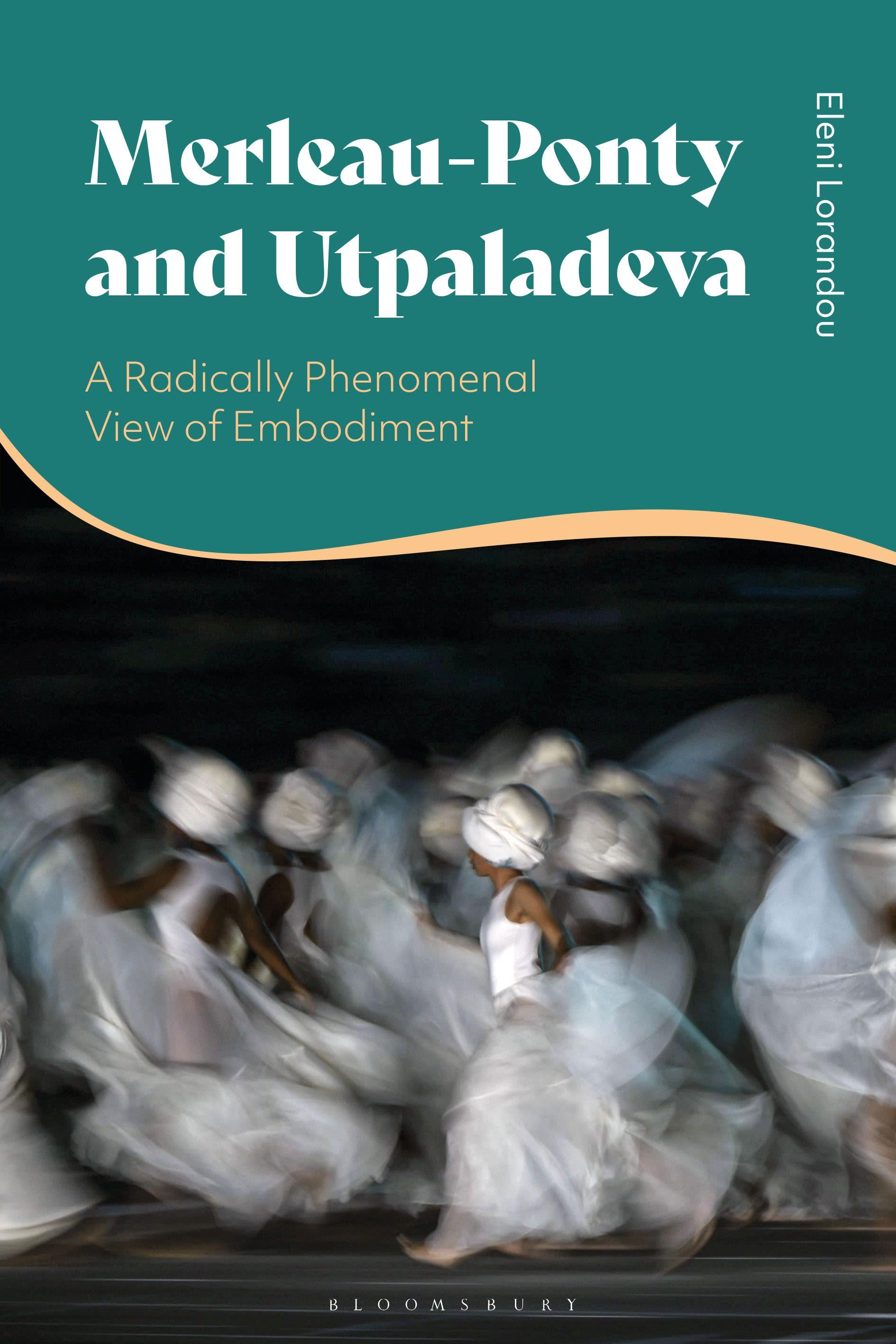
Bridging the gap between two distinct philosophical traditions, Eleni Lorandou finds consonance in the philosophies of Merleau-Ponty and Utpaladeva to articulate a radically phenomenal view of embodiment. In an argument for the transcendence of limiting dualisms in thinking, she explores how western postmodernism and Indian classical thought can speak to one another across centuries, complementing each other in a new and constructive philosophy.
By bringing the phenomenology of Merleau-Ponty and the Recognition School of Utpaladeva into dialogue Lorandou uncovers intriguing insights into the constitution and possibilities of human experience. She delves into the intricacies of how we perceive the world around us and considers how our embodied existence shapes our understanding and experience. Questioning the notion that our perception directly corresponds to an objective reality and focusing on the topics of 'other minds', Lorandou draws soteriological conclusions.
Examining the relevance of Merleau-Ponty's phenomenological reduction and Utpaladeva's self-recognition, this illuminating study turns our attention to the topics of perception, embodiment, realism, intersubjectivity, and, ultimately, the transformative implications of philosophical inquiry.
By bringing the phenomenology of Merleau-Ponty and the Recognition School of Utpaladeva into dialogue Lorandou uncovers intriguing insights into the constitution and possibilities of human experience. She delves into the intricacies of how we perceive the world around us and considers how our embodied existence shapes our understanding and experience. Questioning the notion that our perception directly corresponds to an objective reality and focusing on the topics of 'other minds', Lorandou draws soteriological conclusions.
Examining the relevance of Merleau-Ponty's phenomenological reduction and Utpaladeva's self-recognition, this illuminating study turns our attention to the topics of perception, embodiment, realism, intersubjectivity, and, ultimately, the transformative implications of philosophical inquiry.
Paga facilmente con carta, Klarna, Apple Pay o Google Pay. Non sei soddisfatto? Hai sempre 14 giorni per il rimborso. Leggi di più nei nostri termini. Per qualsiasi domanda, scrivici a hello@memmo.org.
Memmo rende lo studio più facile, ovunque tu sia nel mondo. Qui trovi i tuoi libri di testo e strumenti di studio intelligenti, tutto in un unico posto: riassunti, quiz, podcast e flashcard. E poi c'è Ted, il tuo compagno di studio che risponde a ogni tua domanda. Oltre 50.000 studenti studiano già qui: è stato creato per aiutarti a imparare più velocemente e a stressarti meno.