
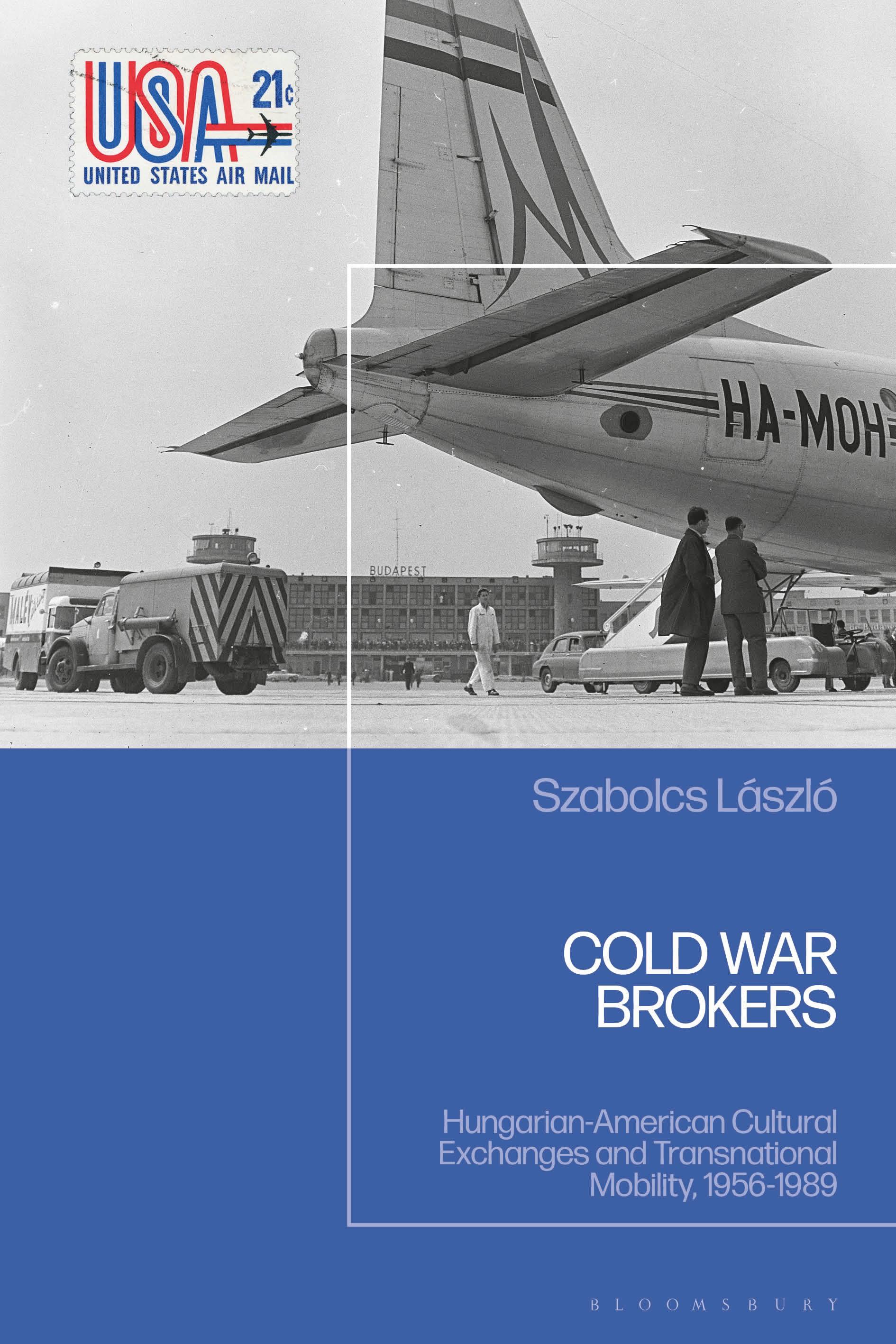
Examining Cold War encounters between Hungary and the US during the 1960s-80s, this book explores how academic and cultural mid-level mediators brokered official and informal ties between these separate geopolitical 'worlds' and identifies how their interactions shaped the cultural and scholarly environment of both countries.
Cold War Brokers follows the transnational adventures of writers, academics and teachers as they crossed the Iron Curtain literally and figuratively, facilitating the circulation of knowledge between the global centre and periphery. From Hungarian writers who toured the US with the International Writing Program, to music teachers who transferred the acclaimed Kodály-method to the US, and experts on Uralic and Altaic languages who introduced a separate branch of area studies to the US national security paradigm, these transnational mediators ushered in processes of inter-reliant modernization in cultural policy, education and science in both countries. Arguing that their collaboration could not merely undermine ideological dichotomies, but rewrite the history of the Cold War period and the imbalances of centre-periphery relations, László shows how non-state actors were able to use the opportunities presented by the Cold War for professional development and network building to achieve agency in Cold War encounters.
Cold War Brokers follows the transnational adventures of writers, academics and teachers as they crossed the Iron Curtain literally and figuratively, facilitating the circulation of knowledge between the global centre and periphery. From Hungarian writers who toured the US with the International Writing Program, to music teachers who transferred the acclaimed Kodály-method to the US, and experts on Uralic and Altaic languages who introduced a separate branch of area studies to the US national security paradigm, these transnational mediators ushered in processes of inter-reliant modernization in cultural policy, education and science in both countries. Arguing that their collaboration could not merely undermine ideological dichotomies, but rewrite the history of the Cold War period and the imbalances of centre-periphery relations, László shows how non-state actors were able to use the opportunities presented by the Cold War for professional development and network building to achieve agency in Cold War encounters.
Paga facilmente con carta, Klarna, Apple Pay o Google Pay. Non sei soddisfatto? Hai sempre 14 giorni per il rimborso. Leggi di più nei nostri termini. Per qualsiasi domanda, scrivici a hello@memmo.org.
Memmo rende lo studio più facile, ovunque tu sia nel mondo. Qui trovi i tuoi libri di testo e strumenti di studio intelligenti, tutto in un unico posto: riassunti, quiz, podcast e flashcard. E poi c'è Ted, il tuo compagno di studio che risponde a ogni tua domanda. Oltre 50.000 studenti studiano già qui: è stato creato per aiutarti a imparare più velocemente e a stressarti meno.