
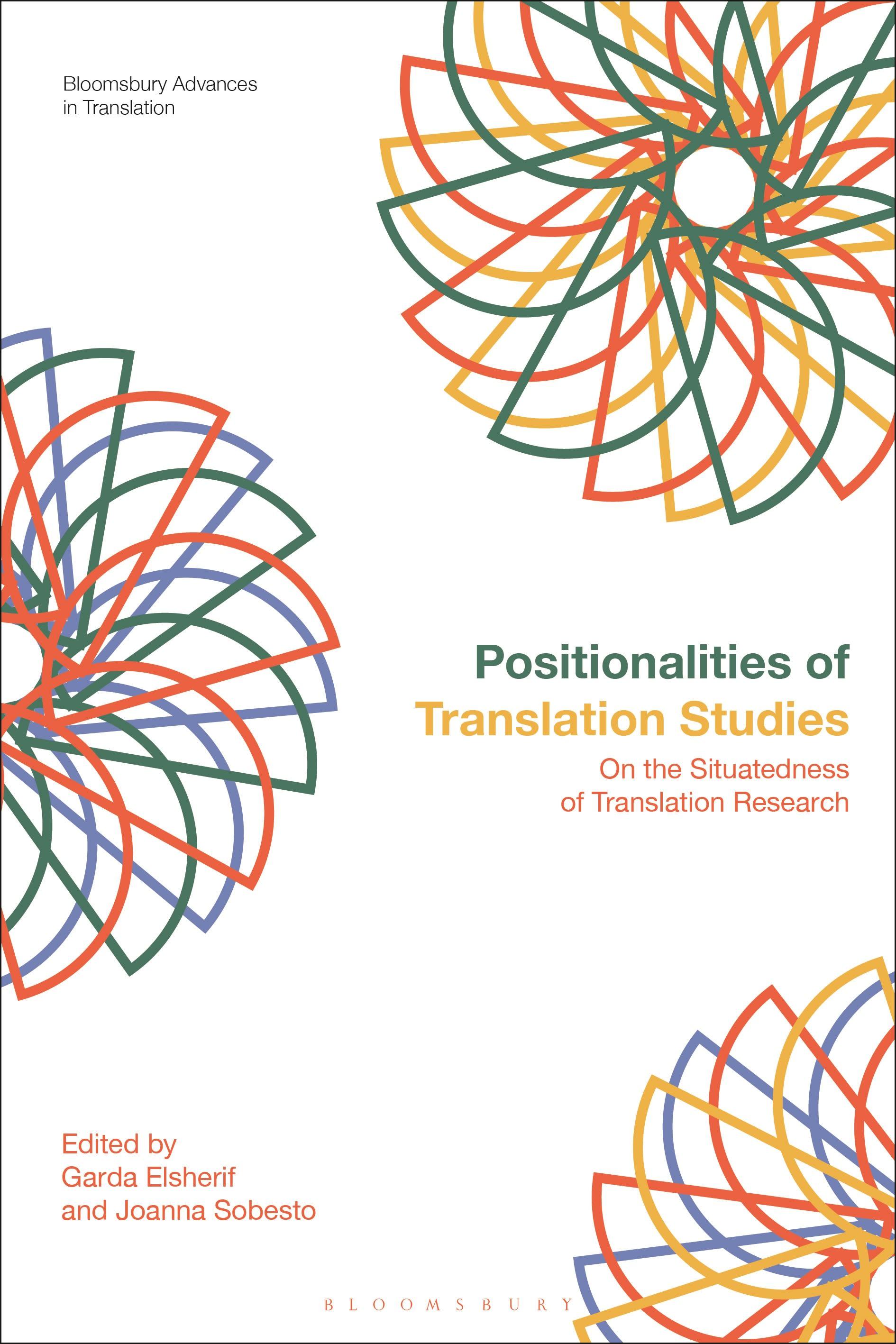
This volume explores historical, cultural, linguistic, and anthropocentric influences on Translation Studies (TS).
It brings together nuanced, individual, self-reflexive case studies and juxtaposes them in order to provoke discussion on the role of contemporary researchers in the discipline of TS. As well as reflecting on the historical and geographical dimensions of the situatedness of TS, the book builds on existing reflections on the local, political and linguistic positions of TS and examines the practical and methodological consequences of these discussions.
By considering insights and perspectives from various disciplines, the contributors refer to the current state of the art in TS and reconstruct the discussions held on Eurocentrism, anthropocentrism and the historicity of TS that have been discussed in isolation so far. This volume maps potential relations between them and introduces an analytical concept of positionality that highlights commonalities among various discourses. As well as theoretical and historical analysis, the contributors ask how to methodologically deal with this inevitable positioning of research in contemporary research practice. The contributions cover various aspects of positionalities and its influences on translation research, including gender, anthropocentrism, experiential knowledge and geopolitics. They also explore various histories of translation studies, in different temporal, spatial and linguistic settings, such as China/Chinese, Iran/Persian, the Netherlands/English, Ukraine/Ukrainian/Russian and France/French, thereby highlighting that TS as a discipline is not a monolith but consists of various histories interconnected with each other.
It brings together nuanced, individual, self-reflexive case studies and juxtaposes them in order to provoke discussion on the role of contemporary researchers in the discipline of TS. As well as reflecting on the historical and geographical dimensions of the situatedness of TS, the book builds on existing reflections on the local, political and linguistic positions of TS and examines the practical and methodological consequences of these discussions.
By considering insights and perspectives from various disciplines, the contributors refer to the current state of the art in TS and reconstruct the discussions held on Eurocentrism, anthropocentrism and the historicity of TS that have been discussed in isolation so far. This volume maps potential relations between them and introduces an analytical concept of positionality that highlights commonalities among various discourses. As well as theoretical and historical analysis, the contributors ask how to methodologically deal with this inevitable positioning of research in contemporary research practice. The contributions cover various aspects of positionalities and its influences on translation research, including gender, anthropocentrism, experiential knowledge and geopolitics. They also explore various histories of translation studies, in different temporal, spatial and linguistic settings, such as China/Chinese, Iran/Persian, the Netherlands/English, Ukraine/Ukrainian/Russian and France/French, thereby highlighting that TS as a discipline is not a monolith but consists of various histories interconnected with each other.
Paga facilmente con carta, Klarna, Apple Pay o Google Pay. Non sei soddisfatto? Hai sempre 14 giorni per il rimborso. Leggi di più nei nostri termini. Per qualsiasi domanda, scrivici a hello@memmo.org.
Memmo rende lo studio più facile, ovunque tu sia nel mondo. Qui trovi i tuoi libri di testo e strumenti di studio intelligenti, tutto in un unico posto: riassunti, quiz, podcast e flashcard. E poi c'è Ted, il tuo compagno di studio che risponde a ogni tua domanda. Oltre 50.000 studenti studiano già qui: è stato creato per aiutarti a imparare più velocemente e a stressarti meno.