
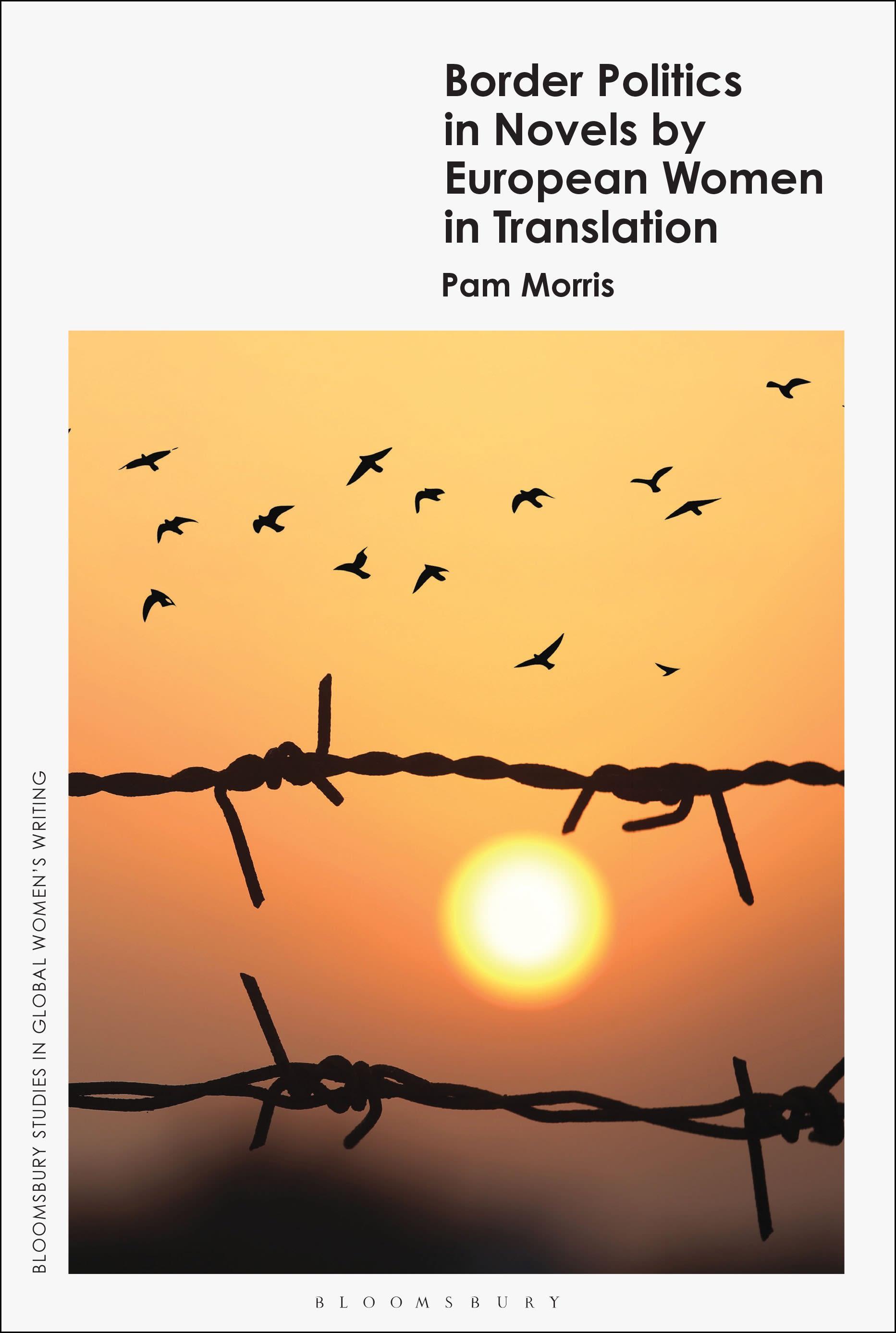
Is conflict inherent to the politics of borders? Recent global events, erupting from national, religious, class, racial and gender boundaries would suggest it is. From the inhumanity of post-Brexit British immigration policy to the violent suppression of women's freedom in Iran, to Russia's territorial invasion of Ukraine, and most immediately to the violent conflagration engulfing Palestine, border hostilities seem everywhere characterised by fearful and toxic intolerance of what is deemed other.
This book examines the writing of award-winning European novelists to suggest an alternative perspective, one that redresses time-sanctioned hierarchies of mind over body, of ideals over physical reality. It explores novelistic representations of power, war, sacrifice, heroism, national history and identity, all issues more conventionally viewed within a male consensus. The fiction offers a cultural and imaginative response to border conflicts of all kinds, ethical, bodily, religious, and geographical, often drawing upon the writers' own personal experience of threatening divisions. Examining works by Virginia Woolf, Jenny Erpenbeck, Olga Tokarczuk, Herta Müller, Anna Burns, Chika Unigwe, Maylis de Kerangal, Magda Szabó, Elena Ferranti, Alki Zei, Elif Shafak, and Oksana Zabuzhko, it uses an integrated interdisciplinary approach to combine literary readings with detailed historical and political understanding of cultural context.
Coming from many different cultures and histories, these writers speak a common condemnation of all hierarchies of worth and of exceptionalist identities whether sanctified by religion, nature, or tradition. Morris shows how their stories, read here in translation, also articulate a strikingly unified vision of a radical ecological understanding of human relations based on physical continuity and co-existence rather than borders dividing an idealised 'us' from a denigrated 'them'.
This book examines the writing of award-winning European novelists to suggest an alternative perspective, one that redresses time-sanctioned hierarchies of mind over body, of ideals over physical reality. It explores novelistic representations of power, war, sacrifice, heroism, national history and identity, all issues more conventionally viewed within a male consensus. The fiction offers a cultural and imaginative response to border conflicts of all kinds, ethical, bodily, religious, and geographical, often drawing upon the writers' own personal experience of threatening divisions. Examining works by Virginia Woolf, Jenny Erpenbeck, Olga Tokarczuk, Herta Müller, Anna Burns, Chika Unigwe, Maylis de Kerangal, Magda Szabó, Elena Ferranti, Alki Zei, Elif Shafak, and Oksana Zabuzhko, it uses an integrated interdisciplinary approach to combine literary readings with detailed historical and political understanding of cultural context.
Coming from many different cultures and histories, these writers speak a common condemnation of all hierarchies of worth and of exceptionalist identities whether sanctified by religion, nature, or tradition. Morris shows how their stories, read here in translation, also articulate a strikingly unified vision of a radical ecological understanding of human relations based on physical continuity and co-existence rather than borders dividing an idealised 'us' from a denigrated 'them'.
Pagine: 224
Categoria: Litteraturvetenskap & Teori
e-ISBN: 9781350434073
Peso di spedizione: 1.2 kg
Spedito in: 1-2 giorni
Paga facilmente con carta, Klarna, Apple Pay o Google Pay. Non sei soddisfatto? Hai sempre 14 giorni per il rimborso. Leggi di più nei nostri termini. Per qualsiasi domanda, scrivici a hello@memmo.org.
Memmo rende lo studio più facile, ovunque tu sia nel mondo. Qui trovi i tuoi libri di testo e strumenti di studio intelligenti, tutto in un unico posto: riassunti, quiz, podcast e flashcard. E poi c'è Ted, il tuo compagno di studio che risponde a ogni tua domanda. Oltre 50.000 studenti studiano già qui: è stato creato per aiutarti a imparare più velocemente e a stressarti meno.