
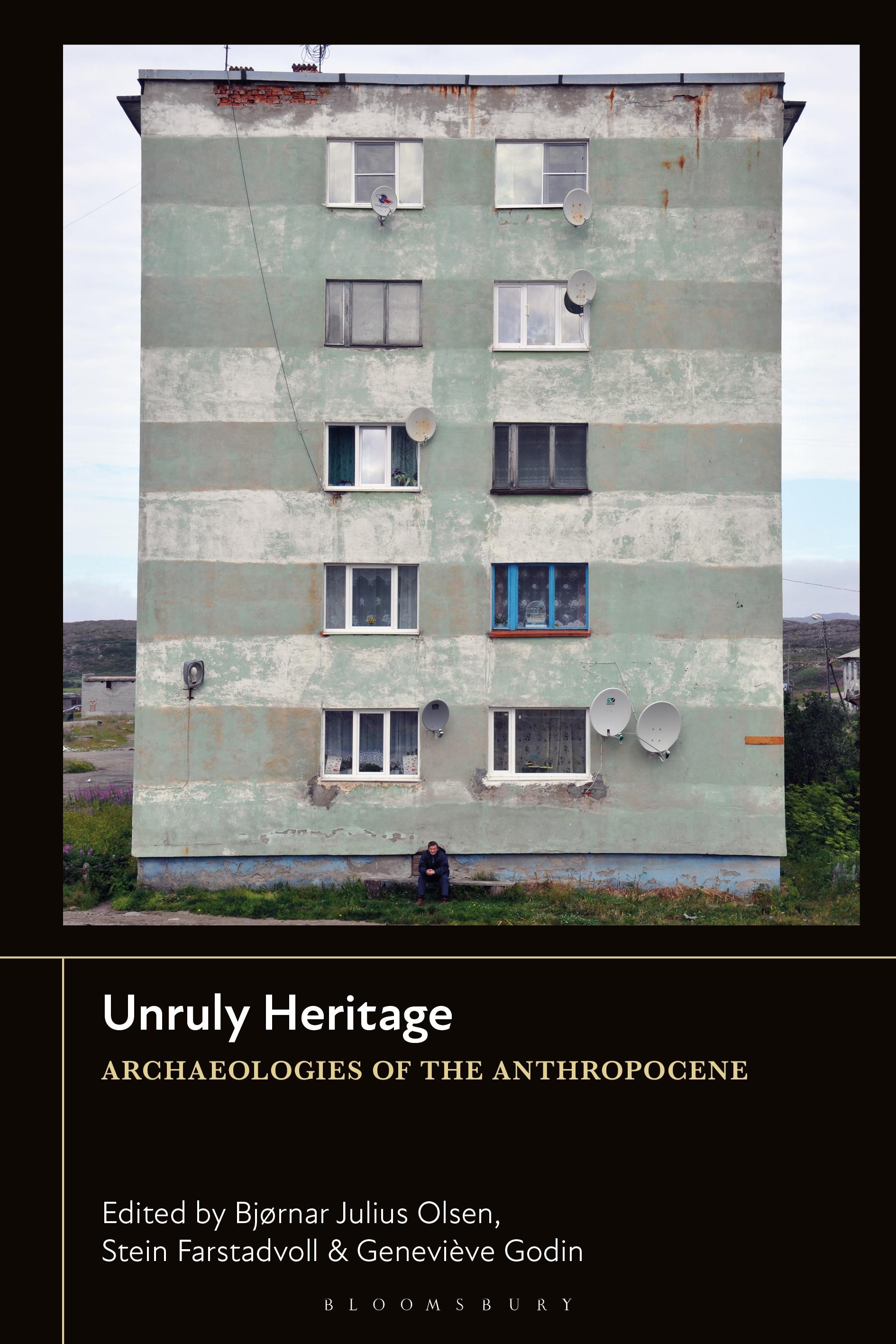
Heritage is almost univocally conceived of as valuable and good, something we care for and preserve for ourselves and future generations. Although traditionally associated with the unique and monumental, heritage has over the last decades been broadened in response to claims to incorporate more diverse and globally representative legacies. While such claims are of course welcome, they do not embrace the bulging unruly and obnoxious legacies that now haunt us; legacies that have become so conspicuously manifest that they are claimed as diagnostic of a new epoch, the Anthropocene.
This book targets this exclusion. It claims that the current 'clash' between prevailing conceptions of heritage as something confined, wished for and thus worth saving, and the unruly legacies ignoring such work of purification, urges a reconsideration of strategies and rationales for how to 'deal with' heritage. Through multidisciplinary approaches, ranging from archaeology and heritage studies to philosophy and environmental politics, the contributions bring heritage into dialogue with a wide range of topics including industrialisation, material profusion, modernist architectural material, coastal reclamations, barbed wire, and naval mines. The result is a volume that profoundly challenges traditional understandings of heritage as an exclusive reserve of things selected and managed by us.
This book targets this exclusion. It claims that the current 'clash' between prevailing conceptions of heritage as something confined, wished for and thus worth saving, and the unruly legacies ignoring such work of purification, urges a reconsideration of strategies and rationales for how to 'deal with' heritage. Through multidisciplinary approaches, ranging from archaeology and heritage studies to philosophy and environmental politics, the contributions bring heritage into dialogue with a wide range of topics including industrialisation, material profusion, modernist architectural material, coastal reclamations, barbed wire, and naval mines. The result is a volume that profoundly challenges traditional understandings of heritage as an exclusive reserve of things selected and managed by us.
Paga facilmente con carta, Klarna, Apple Pay o Google Pay. Non sei soddisfatto? Hai sempre 14 giorni per il rimborso. Leggi di più nei nostri termini. Per qualsiasi domanda, scrivici a hello@memmo.org.
Memmo rende lo studio più facile, ovunque tu sia nel mondo. Qui trovi i tuoi libri di testo e strumenti di studio intelligenti, tutto in un unico posto: riassunti, quiz, podcast e flashcard. E poi c'è Ted, il tuo compagno di studio che risponde a ogni tua domanda. Oltre 50.000 studenti studiano già qui: è stato creato per aiutarti a imparare più velocemente e a stressarti meno.