
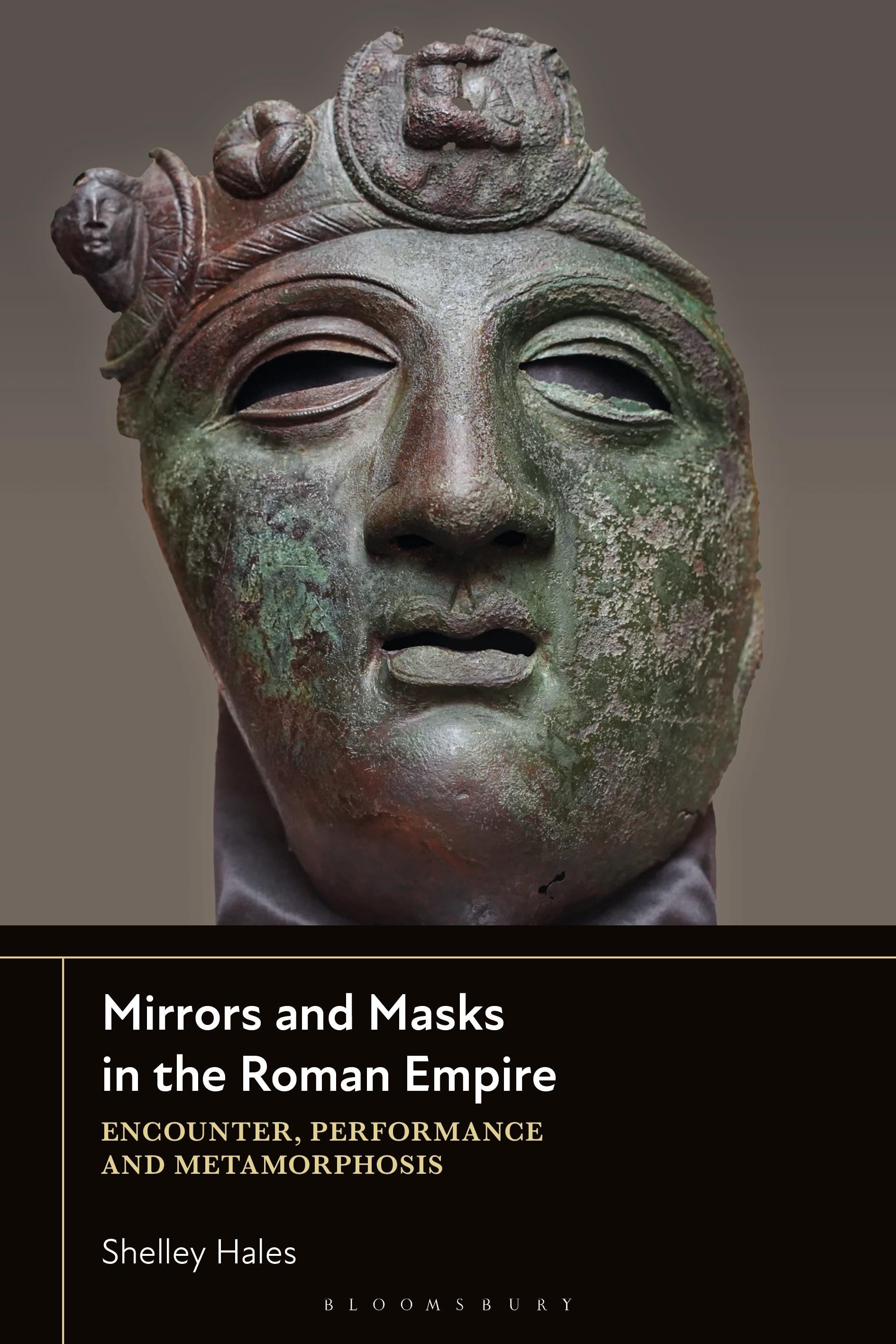
This book explores the ways in which masks and mirrors mediated encounters, enabled performances and effected visual and social metamorphoses across the Roman empire. The complex and multifaceted roles played by masks and mirrors in Roman culture has been the subject of several sophisticated analyses, though to date there has been a lack of significant scholarly engagement with geographical context. This volume explores the experiences of classical mirror and mask users across the Roman empire, from Gaul and Africa to Asia Minor and the Levant. It explores how particular themes are instantiated across a range of imperial contexts, as well as offering carefully selected case studies for detailed analysis.
At once confrontational and evasive, enabling and terrifying, mirrors and masks hold extraordinary resonance as objects, images and metaphors. As such, they had the capacity to mediate encounters, enable performances and effect visual and social metamorphoses in myriad different ways throughout the Roman Empire. Exploring these contexts can enrich our understanding of the meanings and uses of mirrors and masks in the Roman world, not only in isolation in their immediate locations, but also in the influence they might have exerted on each other. By examining how the populations of empire encountered themselves and each other through these masks and mirrors, we can also observe how classical culture allowed communication and miscommunication between these communities. Crucially, too, we can trace how Roman understandings of these objects not only shaped their own attitude to provincial users, but have also helped form perceptions that continue to mask those provincial populations today.
At once confrontational and evasive, enabling and terrifying, mirrors and masks hold extraordinary resonance as objects, images and metaphors. As such, they had the capacity to mediate encounters, enable performances and effect visual and social metamorphoses in myriad different ways throughout the Roman Empire. Exploring these contexts can enrich our understanding of the meanings and uses of mirrors and masks in the Roman world, not only in isolation in their immediate locations, but also in the influence they might have exerted on each other. By examining how the populations of empire encountered themselves and each other through these masks and mirrors, we can also observe how classical culture allowed communication and miscommunication between these communities. Crucially, too, we can trace how Roman understandings of these objects not only shaped their own attitude to provincial users, but have also helped form perceptions that continue to mask those provincial populations today.
Paga facilmente con carta, Klarna, Apple Pay o Google Pay. Non sei soddisfatto? Hai sempre 14 giorni per il rimborso. Leggi di più nei nostri termini. Per qualsiasi domanda, scrivici a hello@memmo.org.
Memmo rende lo studio più facile, ovunque tu sia nel mondo. Qui trovi i tuoi libri di testo e strumenti di studio intelligenti, tutto in un unico posto: riassunti, quiz, podcast e flashcard. E poi c'è Ted, il tuo compagno di studio che risponde a ogni tua domanda. Oltre 50.000 studenti studiano già qui: è stato creato per aiutarti a imparare più velocemente e a stressarti meno.