
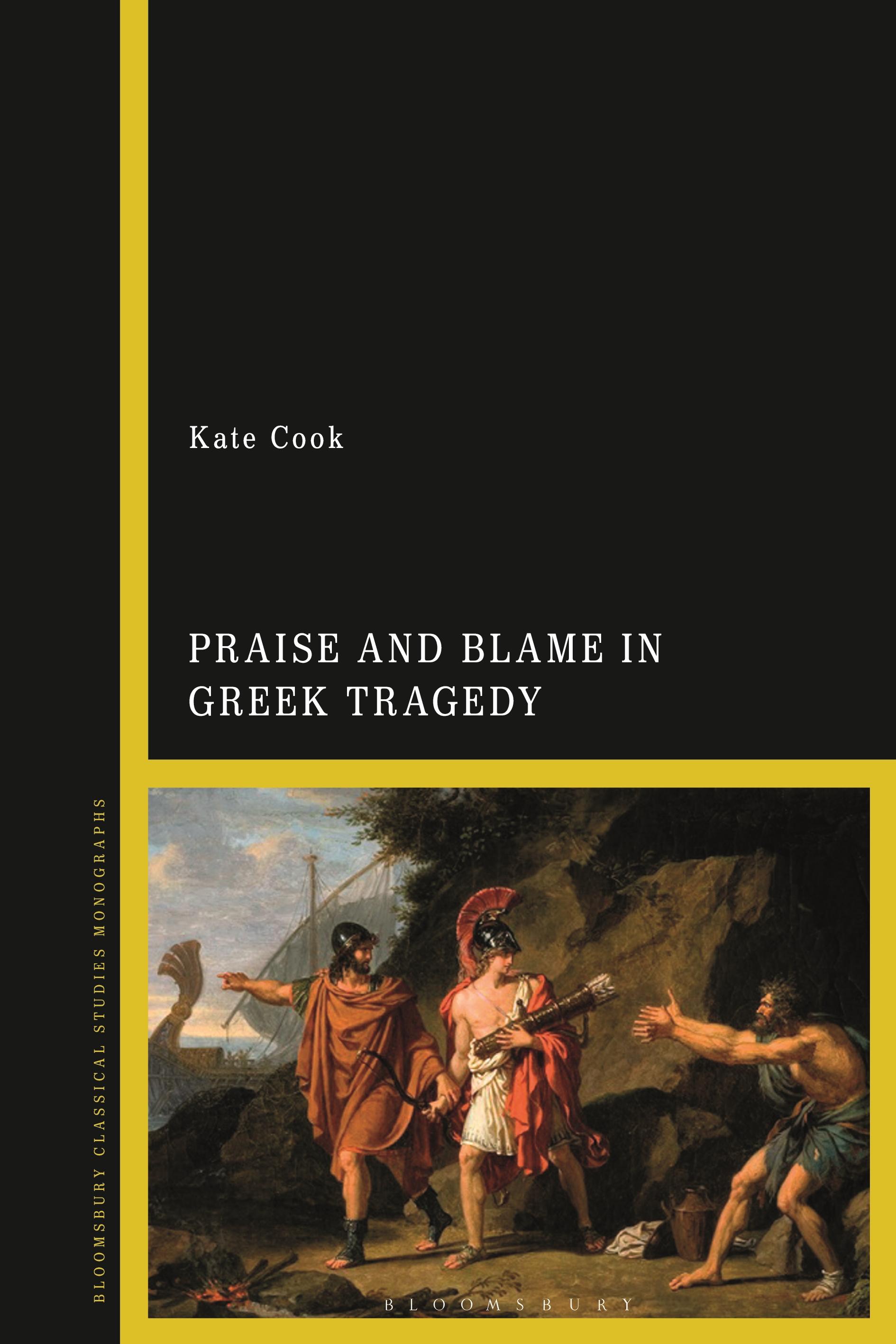
Exploring the use of praise and blame in Greek tragedy in relation to heroic identity, Kate Cook demonstrates that the distribution of praise and blame, a significant social function of archaic and classical poetry, also plays a key role in Greek tragedy. Both concepts are a central part of the discourse surrounding the identity of male heroic figures in tragedy, and thus are essential for understanding a range of tragedies in their literary and social contexts. In the tragic genre, the destructive or dangerous aspects of the process of kleos (glory) are explored, and the distribution of praise and blame becomes a way of destabilising identity and conflict between individuals in democratic Athens.
The first half of this book shows the kinds of conflicts generated by 'heroes' who seek after one kind of praise in tragedy, but face other characters or choruses who refuse to grant the praise discourses they desire. The second half examines what happens when female speakers engage in the production of these discourses, particularly the wives and mothers of heroic figures, who often refuse to contribute to the production of praise and positive kleos for these men. Praise and Blame in Greek Tragedy therefore demonstrates how a focus on this poetically significant topic can generate new readings of well-known tragedies, and develops a new approach to both male heroic identity and women's speech in tragedy.
The first half of this book shows the kinds of conflicts generated by 'heroes' who seek after one kind of praise in tragedy, but face other characters or choruses who refuse to grant the praise discourses they desire. The second half examines what happens when female speakers engage in the production of these discourses, particularly the wives and mothers of heroic figures, who often refuse to contribute to the production of praise and positive kleos for these men. Praise and Blame in Greek Tragedy therefore demonstrates how a focus on this poetically significant topic can generate new readings of well-known tragedies, and develops a new approach to both male heroic identity and women's speech in tragedy.
Paga facilmente con carta, Klarna, Apple Pay o Google Pay. Non sei soddisfatto? Hai sempre 14 giorni per il rimborso. Leggi di più nei nostri termini. Per qualsiasi domanda, scrivici a hello@memmo.org.
Memmo rende lo studio più facile, ovunque tu sia nel mondo. Qui trovi i tuoi libri di testo e strumenti di studio intelligenti, tutto in un unico posto: riassunti, quiz, podcast e flashcard. E poi c'è Ted, il tuo compagno di studio che risponde a ogni tua domanda. Oltre 50.000 studenti studiano già qui: è stato creato per aiutarti a imparare più velocemente e a stressarti meno.