
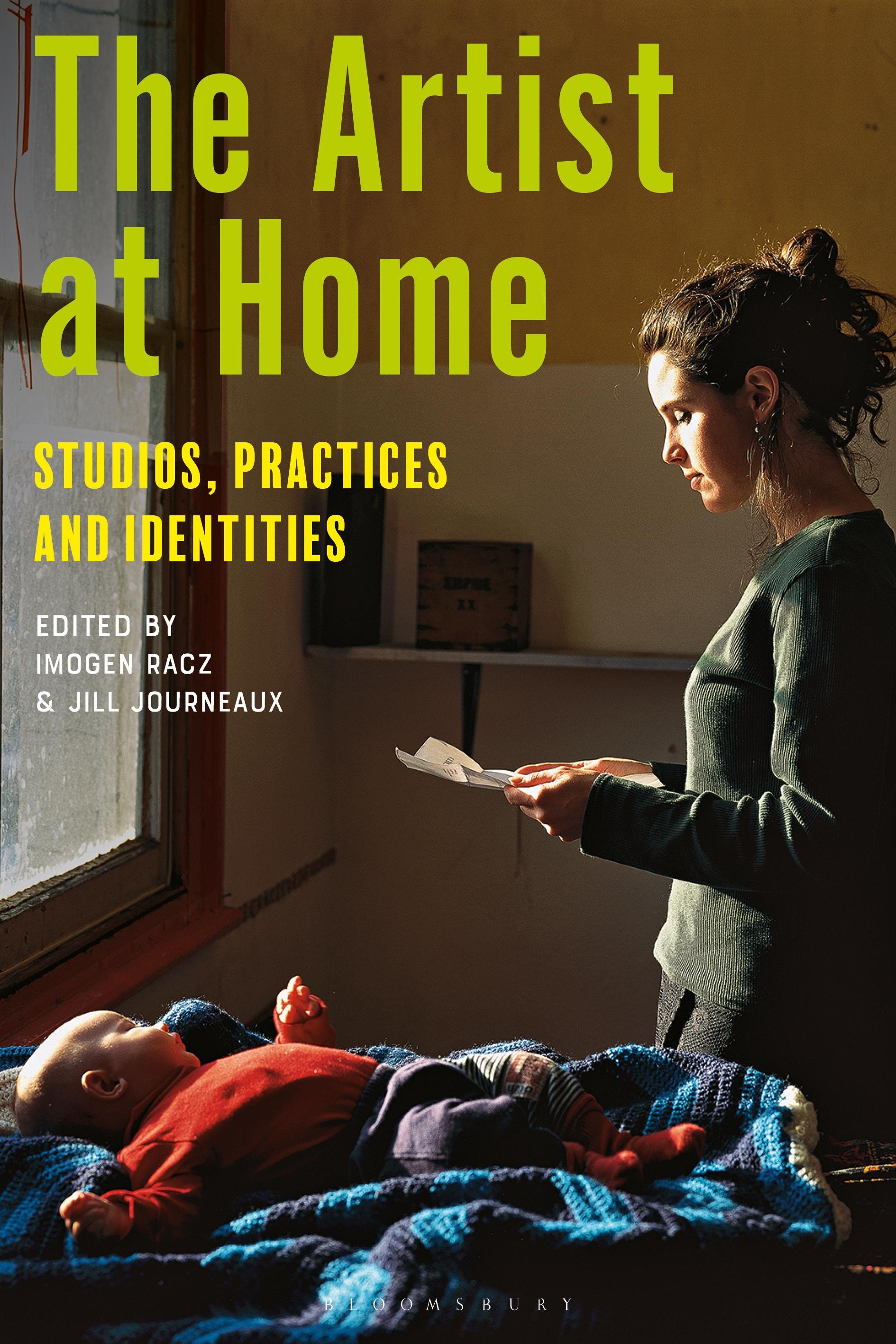
Artists have worked from home for many reasons, including care duties, financial or political constraints, or availability and proximity to others.
From the 'home studios' of Charles and Ray Eames, to the different photographic representations of Robert Rauschenberg's studio, this book explores the home as a distinct site of artistic practice, and the traditions and developments of the home studio as concept and space throughout the 20th and into the 21st century.
Using examples from across Europe and the Anglophone world between the mid-20th century and the present, each chapter considers the different circumstances for working at home, the impact on the creative lives of the artists, their identities as artists and on the work itself, and how, sometimes, these were projected and promoted through photographs and the media. Key themes include the gendered and performative aspects of women practising 'at home', collaborative studio communities of the 1970s – 90s including the appropriation of abandoned spaces in East London, and the effects of Covid on artistic practices and family life within the spaces of 'home'. The book comprises full-length chapters by artists, architects, art and design historians, each of whom bring different perspectives to the issues, interwoven with short interviews with artists to enrich and broaden the debates.
At a time when individual relationships to home environments have been radically altered, The Artist at Home considers why some artists in previous decades either needed to or chose to work from home, producing work of vitality and integrity. Tracing this long tradition into the present, the book will provide a deeper understanding of how the home studio has affected the practices and identity of artists working in different countries, and in different circumstances, from the mid-20th century to the present.
From the 'home studios' of Charles and Ray Eames, to the different photographic representations of Robert Rauschenberg's studio, this book explores the home as a distinct site of artistic practice, and the traditions and developments of the home studio as concept and space throughout the 20th and into the 21st century.
Using examples from across Europe and the Anglophone world between the mid-20th century and the present, each chapter considers the different circumstances for working at home, the impact on the creative lives of the artists, their identities as artists and on the work itself, and how, sometimes, these were projected and promoted through photographs and the media. Key themes include the gendered and performative aspects of women practising 'at home', collaborative studio communities of the 1970s – 90s including the appropriation of abandoned spaces in East London, and the effects of Covid on artistic practices and family life within the spaces of 'home'. The book comprises full-length chapters by artists, architects, art and design historians, each of whom bring different perspectives to the issues, interwoven with short interviews with artists to enrich and broaden the debates.
At a time when individual relationships to home environments have been radically altered, The Artist at Home considers why some artists in previous decades either needed to or chose to work from home, producing work of vitality and integrity. Tracing this long tradition into the present, the book will provide a deeper understanding of how the home studio has affected the practices and identity of artists working in different countries, and in different circumstances, from the mid-20th century to the present.
Paga facilmente con carta, Klarna, Apple Pay o Google Pay. Non sei soddisfatto? Hai sempre 14 giorni per il rimborso. Leggi di più nei nostri termini. Per qualsiasi domanda, scrivici a hello@memmo.org.
Memmo rende lo studio più facile, ovunque tu sia nel mondo. Qui trovi i tuoi libri di testo e strumenti di studio intelligenti, tutto in un unico posto: riassunti, quiz, podcast e flashcard. E poi c'è Ted, il tuo compagno di studio che risponde a ogni tua domanda. Oltre 50.000 studenti studiano già qui: è stato creato per aiutarti a imparare più velocemente e a stressarti meno.