
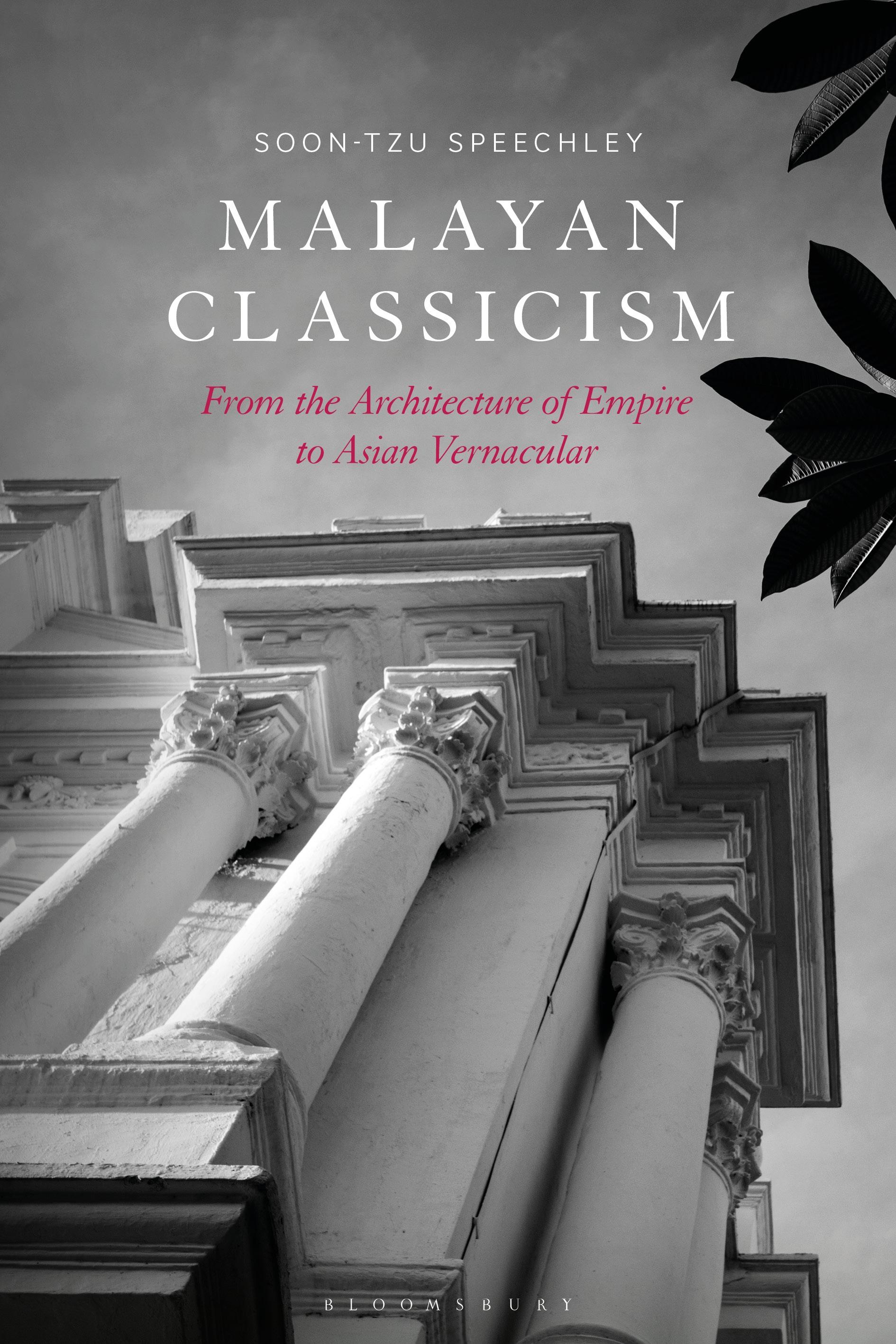
Through a broad range of case studies spanning from imperial monuments to rural residences, Malayan Classicism puts forward a fundamentally new understanding of classical architecture in the Asian colonial context.
Across Malaysia and Singapore, thousands of historic buildings are richly ornamented with motifs drawn from Ancient Greece and Rome - as plump volutes, lush acanthus leaves, and neat rows of dentils decorate mosques, palaces, government buildings and innumerable terraced shophouses. These classical details jostle with ideas drawn from other architectural traditions from across Asia in a style that is unique to the region.
Presenting the first comprehensive account of what was, prior to World War II, Malaya's most widespread architectural style, Malayan Classicism explores how the classical architecture of the British Empire was transmitted, translated, and transformed in the hands of local builders and architects. Addressing a critical gap in the scholarship, this book charts the metamorphosis of an imperial language of power into a local vernacular style, and provides a new way of reading classical architecture in a post-colonial context that will be applicable throughout the Global South.
Across Malaysia and Singapore, thousands of historic buildings are richly ornamented with motifs drawn from Ancient Greece and Rome - as plump volutes, lush acanthus leaves, and neat rows of dentils decorate mosques, palaces, government buildings and innumerable terraced shophouses. These classical details jostle with ideas drawn from other architectural traditions from across Asia in a style that is unique to the region.
Presenting the first comprehensive account of what was, prior to World War II, Malaya's most widespread architectural style, Malayan Classicism explores how the classical architecture of the British Empire was transmitted, translated, and transformed in the hands of local builders and architects. Addressing a critical gap in the scholarship, this book charts the metamorphosis of an imperial language of power into a local vernacular style, and provides a new way of reading classical architecture in a post-colonial context that will be applicable throughout the Global South.
Pagine: 256
Categoria: Arkitektur & Stadsplanering
e-ISBN: 9781350360365
Peso di spedizione: 1.2 kg
Spedito in: 1-2 giorni
Paga facilmente con carta, Klarna, Apple Pay o Google Pay. Non sei soddisfatto? Hai sempre 14 giorni per il rimborso. Leggi di più nei nostri termini. Per qualsiasi domanda, scrivici a hello@memmo.org.
Memmo rende lo studio più facile, ovunque tu sia nel mondo. Qui trovi i tuoi libri di testo e strumenti di studio intelligenti, tutto in un unico posto: riassunti, quiz, podcast e flashcard. E poi c'è Ted, il tuo compagno di studio che risponde a ogni tua domanda. Oltre 50.000 studenti studiano già qui: è stato creato per aiutarti a imparare più velocemente e a stressarti meno.