
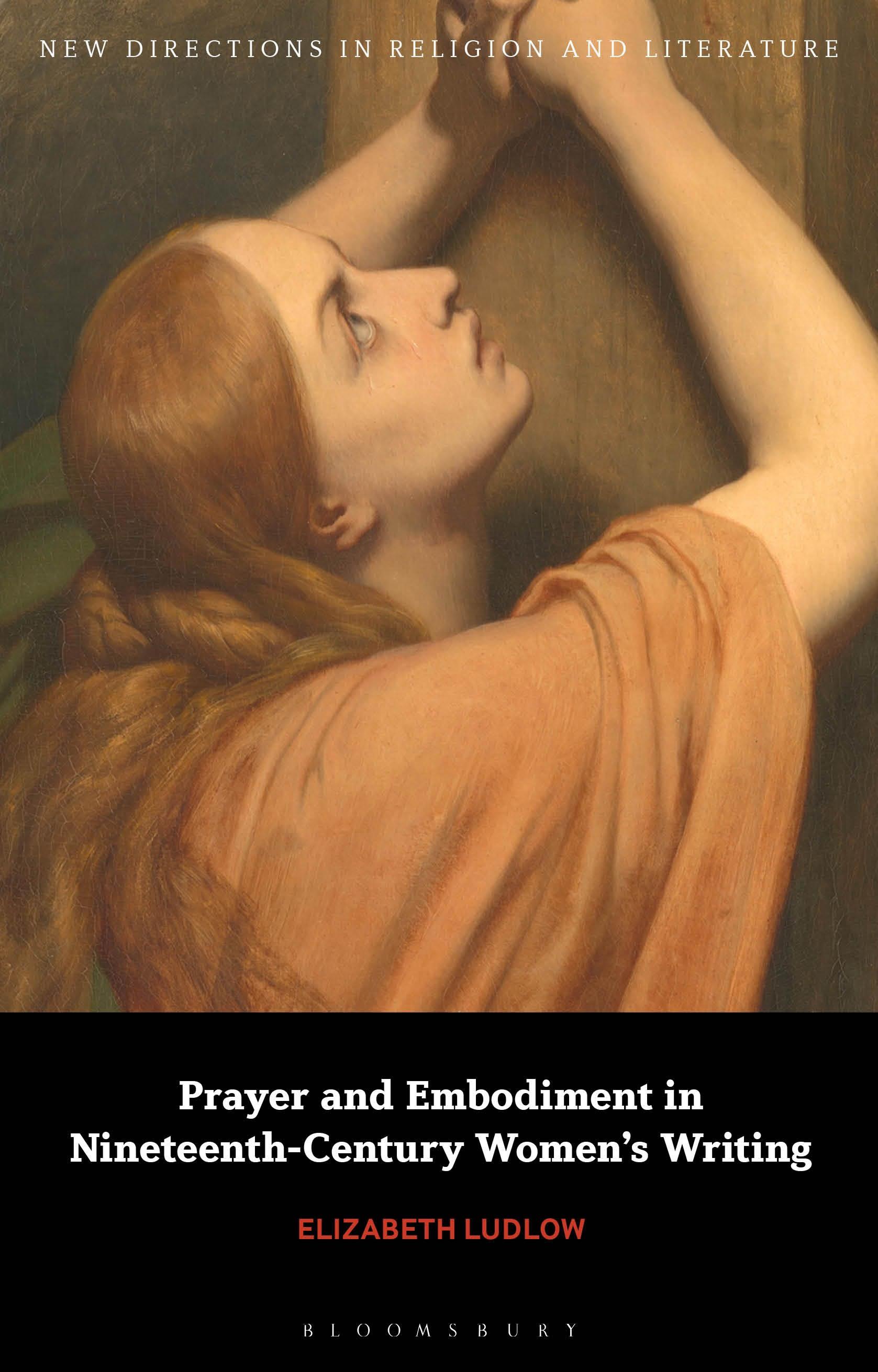
In the 19th century, an era that saw a reconfiguration of the relationship between the self, the world and the divine, women writers probed the theological depths of embodied faith in new ways through poetry, fiction, devotional prose and life writing.
Elizabeth Ludlow explores how, through this process, they articulated what it means to pray, and thereby understand one's place in a world of individual and communal bodies. The eight women writers discussed – Elizabeth Barrett Browning, Josephine Butler, George Eliot, Elizabeth Gaskell, Dora Greenwell, Felicia Hemans, Adelaide Procter and Christina Rossetti – provide accounts of prayer that stress that the only way to experience and respond to something of the transcendent is through embracing lived experience and through a recognition of the connectedness of all bodies.
In detailing how these writers engage with new ways of thinking about faith, desire and the material world, Ludlow argues that they offer models for ethical modes of being in the world and pave the way for later theologies of embodiment.
Elizabeth Ludlow explores how, through this process, they articulated what it means to pray, and thereby understand one's place in a world of individual and communal bodies. The eight women writers discussed – Elizabeth Barrett Browning, Josephine Butler, George Eliot, Elizabeth Gaskell, Dora Greenwell, Felicia Hemans, Adelaide Procter and Christina Rossetti – provide accounts of prayer that stress that the only way to experience and respond to something of the transcendent is through embracing lived experience and through a recognition of the connectedness of all bodies.
In detailing how these writers engage with new ways of thinking about faith, desire and the material world, Ludlow argues that they offer models for ethical modes of being in the world and pave the way for later theologies of embodiment.
Paga facilmente con carta, Klarna, Apple Pay o Google Pay. Non sei soddisfatto? Hai sempre 14 giorni per il rimborso. Leggi di più nei nostri termini. Per qualsiasi domanda, scrivici a hello@memmo.org.
Memmo rende lo studio più facile, ovunque tu sia nel mondo. Qui trovi i tuoi libri di testo e strumenti di studio intelligenti, tutto in un unico posto: riassunti, quiz, podcast e flashcard. E poi c'è Ted, il tuo compagno di studio che risponde a ogni tua domanda. Oltre 50.000 studenti studiano già qui: è stato creato per aiutarti a imparare più velocemente e a stressarti meno.