
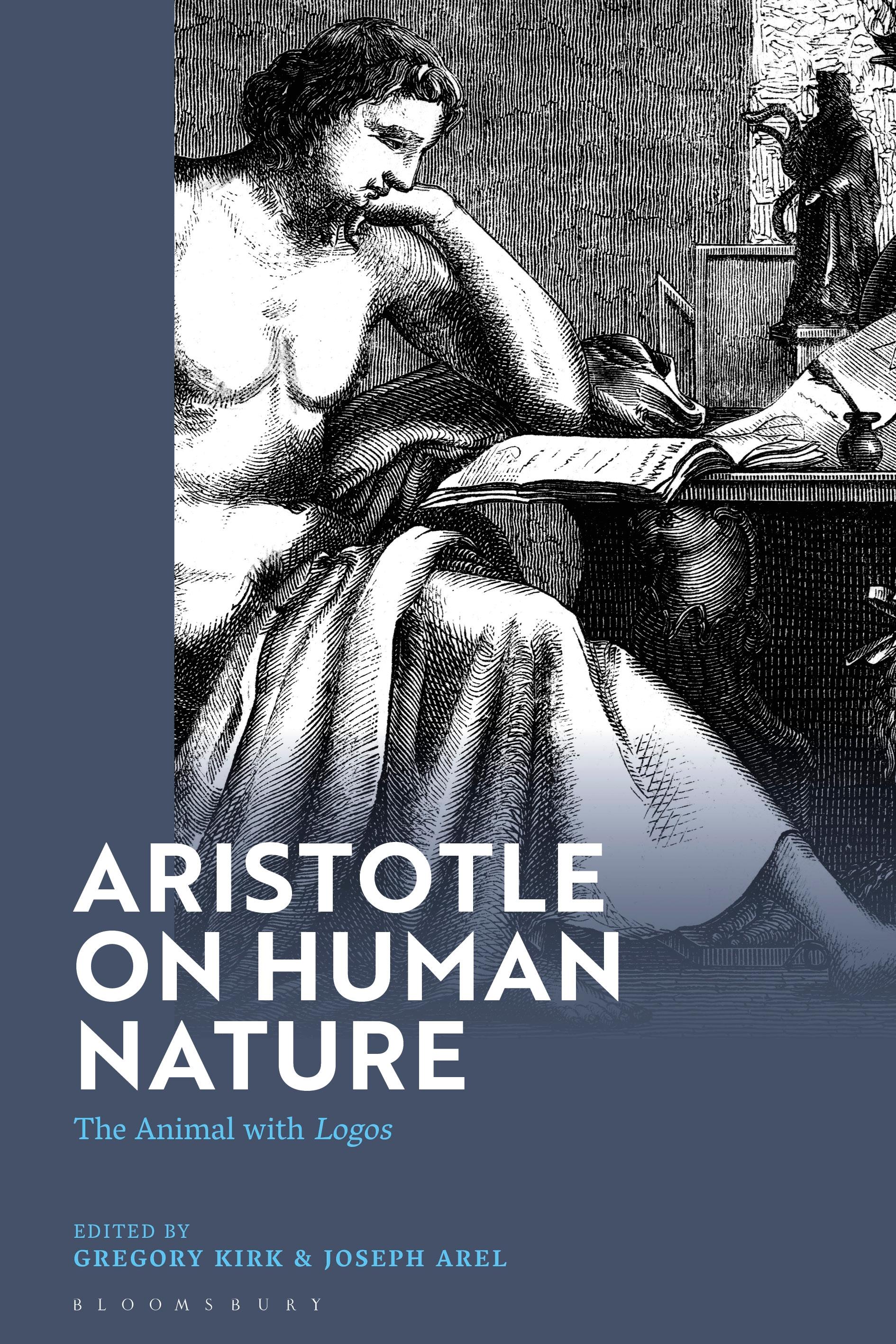
Exploring Aristotle's concept of logos, this volume advances our understanding of it as a singular feature of human nature by arguing that it is the organizing principle of human life itself.
Tracing its multiple meanings in different contexts, including reason, logic, speech, ratio, account, and form, contributors highlight the ways in which we can see logos in human thinking, in the organizing principles of our bodies, in our perception of the world, in our social and political life, and through our productive and fine arts. Through this focus, logos reveals itself not as one feature amongst others, but instead as the feature that organizes all others, from the most “animal” to the most “spiritual.” By presenting logos in this way, readers gain a complex account of the philosophy of human nature.
Tracing its multiple meanings in different contexts, including reason, logic, speech, ratio, account, and form, contributors highlight the ways in which we can see logos in human thinking, in the organizing principles of our bodies, in our perception of the world, in our social and political life, and through our productive and fine arts. Through this focus, logos reveals itself not as one feature amongst others, but instead as the feature that organizes all others, from the most “animal” to the most “spiritual.” By presenting logos in this way, readers gain a complex account of the philosophy of human nature.
Paga facilmente con carta, Klarna, Apple Pay o Google Pay. Non sei soddisfatto? Hai sempre 14 giorni per il rimborso. Leggi di più nei nostri termini. Per qualsiasi domanda, scrivici a hello@memmo.org.
Memmo rende lo studio più facile, ovunque tu sia nel mondo. Qui trovi i tuoi libri di testo e strumenti di studio intelligenti, tutto in un unico posto: riassunti, quiz, podcast e flashcard. E poi c'è Ted, il tuo compagno di studio che risponde a ogni tua domanda. Oltre 50.000 studenti studiano già qui: è stato creato per aiutarti a imparare più velocemente e a stressarti meno.