
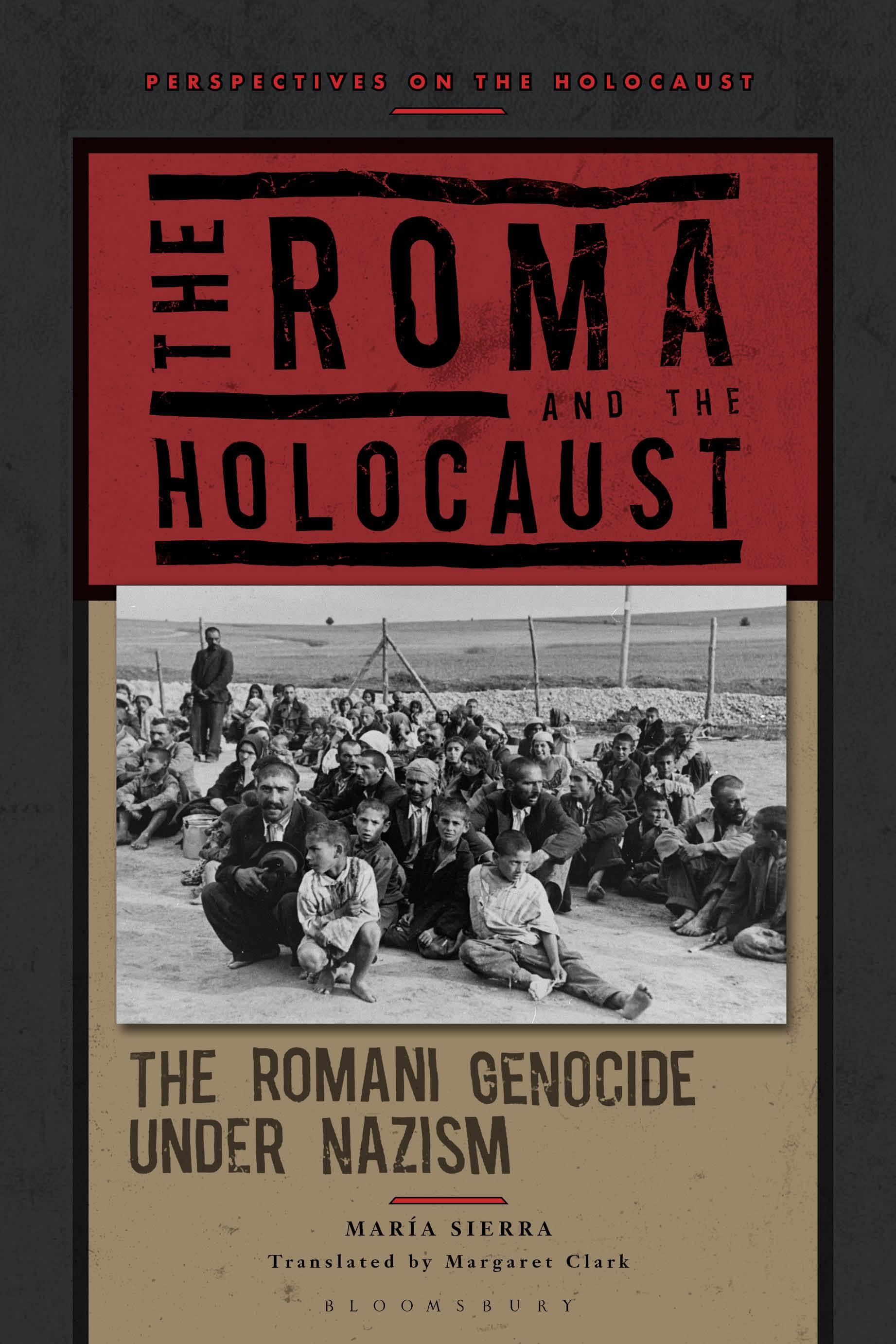
Half a million European Roma were exterminated by the Nazi regime; many more were subjected to a policy of racial discrimination similar to that suffered by the Jewish people. However, the persecution and torment of Roma in Hitler's Europe has little presence in the history books. The Roma and the Holocaust places the Roma genocide in the context of the widespread violence of the Second World War, while offering an explanation that places it within a broader trajectory of anti-Roma persecution in modern societies.
The book explores the separation and destruction of families, the sterilisation of adults and children, the plunder of property and deprivation of livelihoods, slave labour, medical experiments, the horror of extermination camps and the mass murder that the Romani people were subjected to. María Sierra uses the first section of the book to provide a much-needed critical overview and synthesis of the fragmented research and scholarship in the area that has been conducted in various languages. In the second section, Sierra shines a light the autobiographical accounts of several Roma survivors of the Nazi genocide in order for the voices of the victims who have claimed recognition and rights for the Roma people to be heard. This journey through the memories of Philomena Franz, Ceija Stojka, Lily Van Angeren, Otto Rosenberg, Walter Winter and Ewald Hanstein, in addition to other testimonies, is contextualized within the framework of other Holocaust survivors' memoirs and has been approached from a history of emotions perspective.
With the Romani people having been denied recognition as victims of Nazism after the end of the war, this book crucially helps to bring about agency for the survivors, supporting their struggle for the right to memory in the process.
The book explores the separation and destruction of families, the sterilisation of adults and children, the plunder of property and deprivation of livelihoods, slave labour, medical experiments, the horror of extermination camps and the mass murder that the Romani people were subjected to. María Sierra uses the first section of the book to provide a much-needed critical overview and synthesis of the fragmented research and scholarship in the area that has been conducted in various languages. In the second section, Sierra shines a light the autobiographical accounts of several Roma survivors of the Nazi genocide in order for the voices of the victims who have claimed recognition and rights for the Roma people to be heard. This journey through the memories of Philomena Franz, Ceija Stojka, Lily Van Angeren, Otto Rosenberg, Walter Winter and Ewald Hanstein, in addition to other testimonies, is contextualized within the framework of other Holocaust survivors' memoirs and has been approached from a history of emotions perspective.
With the Romani people having been denied recognition as victims of Nazism after the end of the war, this book crucially helps to bring about agency for the survivors, supporting their struggle for the right to memory in the process.
Paga facilmente con carta, Klarna, Apple Pay o Google Pay. Non sei soddisfatto? Hai sempre 14 giorni per il rimborso. Leggi di più nei nostri termini. Per qualsiasi domanda, scrivici a hello@memmo.org.
Memmo rende lo studio più facile, ovunque tu sia nel mondo. Qui trovi i tuoi libri di testo e strumenti di studio intelligenti, tutto in un unico posto: riassunti, quiz, podcast e flashcard. E poi c'è Ted, il tuo compagno di studio che risponde a ogni tua domanda. Oltre 50.000 studenti studiano già qui: è stato creato per aiutarti a imparare più velocemente e a stressarti meno.