
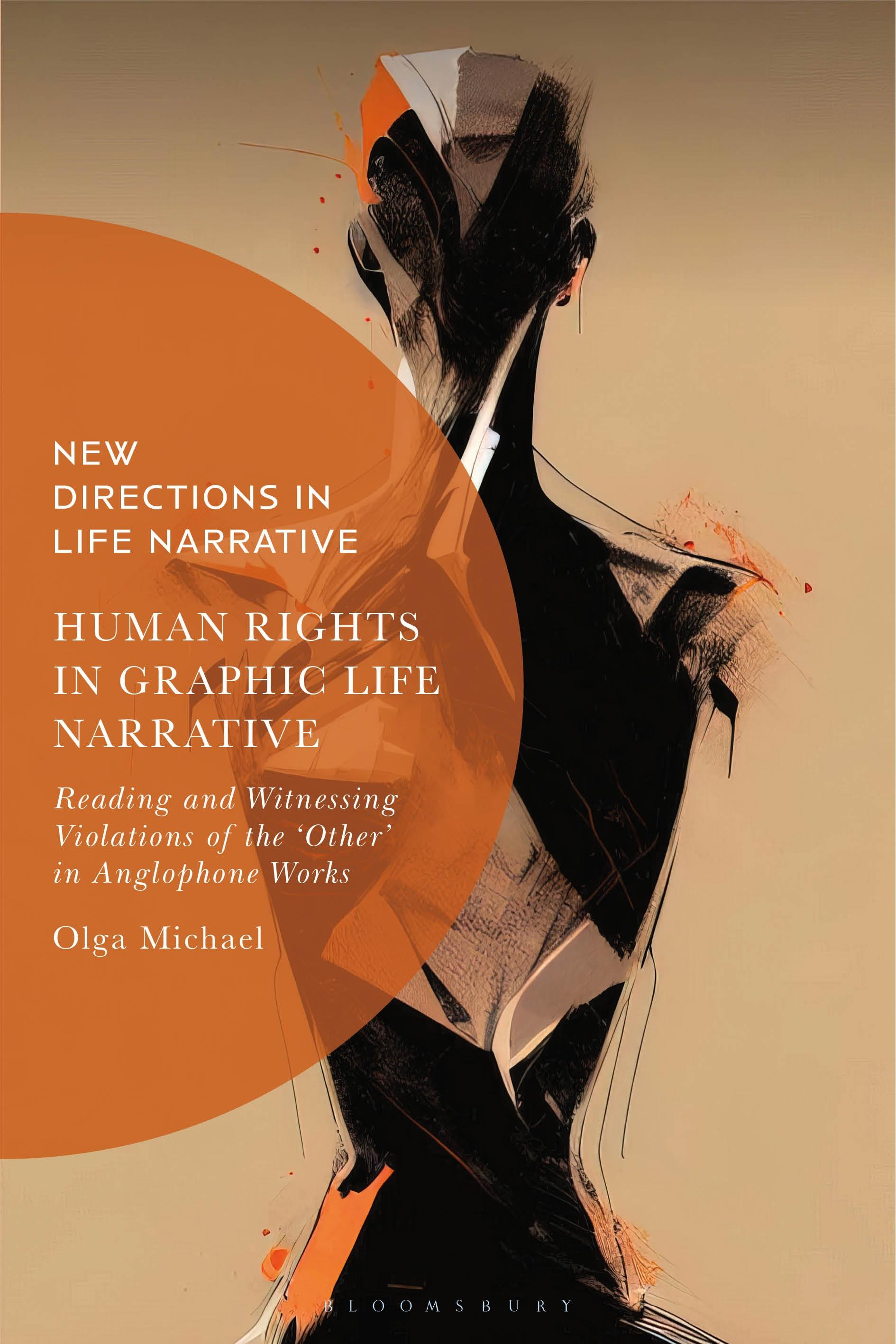
Surveying print and digital graphic life narratives about people who become 'othered' within Western contexts, this book investigates how comics and graphic novels witness human rights transgressions in contemporary Anglophone culture and how they can promote social justice. With thought given to how the graphic form can offer a powerful counterpoint to the legal, humanitarian and media discourses that dehumanise the most violated and dispossessed, but also how these works may unconsciously reproduce Western neo-colonial presentations of the 'other,' Olga Michael focuses on gender, death, space, and border violence within graphic life narratives depicting suffering across different geo- and biopolitical locations. Combining the familiar with the lesser-known, this book covers works by artists such as Joe Sacco, Thi Bui, Mia Kirshner, Phoebe Gloeckner, Kamel Khélif, Francesca Sanna, Gabi Froden, Benjamin Dix and Lindsay Pollock, as well as Safdar Ahmed and Ali Dorani/Eaten Fish.
Interdisciplinary in its consideration of life writing, comics and human rights studies, and comparative in approach, this book explores such topics as the aesthetics of visualised suffering; spatial articulations of human rights violations; the occurrence of violations whilst crossing borders; the gendered dimensions of visually captured violence; and how human rights discourses intersect with graphic depictions of the dead. In so doing, Michael establishes how to read human rights and social justice comics in relation to an escalating global crisis and deftly complicates negotiations of 'otherness.' A vitally important work to the humanities sector, this book underscores the significance of postcolonial decolonized reading acts as forms of secondary witness.
Interdisciplinary in its consideration of life writing, comics and human rights studies, and comparative in approach, this book explores such topics as the aesthetics of visualised suffering; spatial articulations of human rights violations; the occurrence of violations whilst crossing borders; the gendered dimensions of visually captured violence; and how human rights discourses intersect with graphic depictions of the dead. In so doing, Michael establishes how to read human rights and social justice comics in relation to an escalating global crisis and deftly complicates negotiations of 'otherness.' A vitally important work to the humanities sector, this book underscores the significance of postcolonial decolonized reading acts as forms of secondary witness.
Pagine: 272
Categoria: Litteraturvetenskap & Teori
e-ISBN: 9781350329775
Peso di spedizione: 1.2 kg
Spedito in: 1-2 giorni
Paga facilmente con carta, Klarna, Apple Pay o Google Pay. Non sei soddisfatto? Hai sempre 14 giorni per il rimborso. Leggi di più nei nostri termini. Per qualsiasi domanda, scrivici a hello@memmo.org.
Memmo rende lo studio più facile, ovunque tu sia nel mondo. Qui trovi i tuoi libri di testo e strumenti di studio intelligenti, tutto in un unico posto: riassunti, quiz, podcast e flashcard. E poi c'è Ted, il tuo compagno di studio che risponde a ogni tua domanda. Oltre 50.000 studenti studiano già qui: è stato creato per aiutarti a imparare più velocemente e a stressarti meno.