
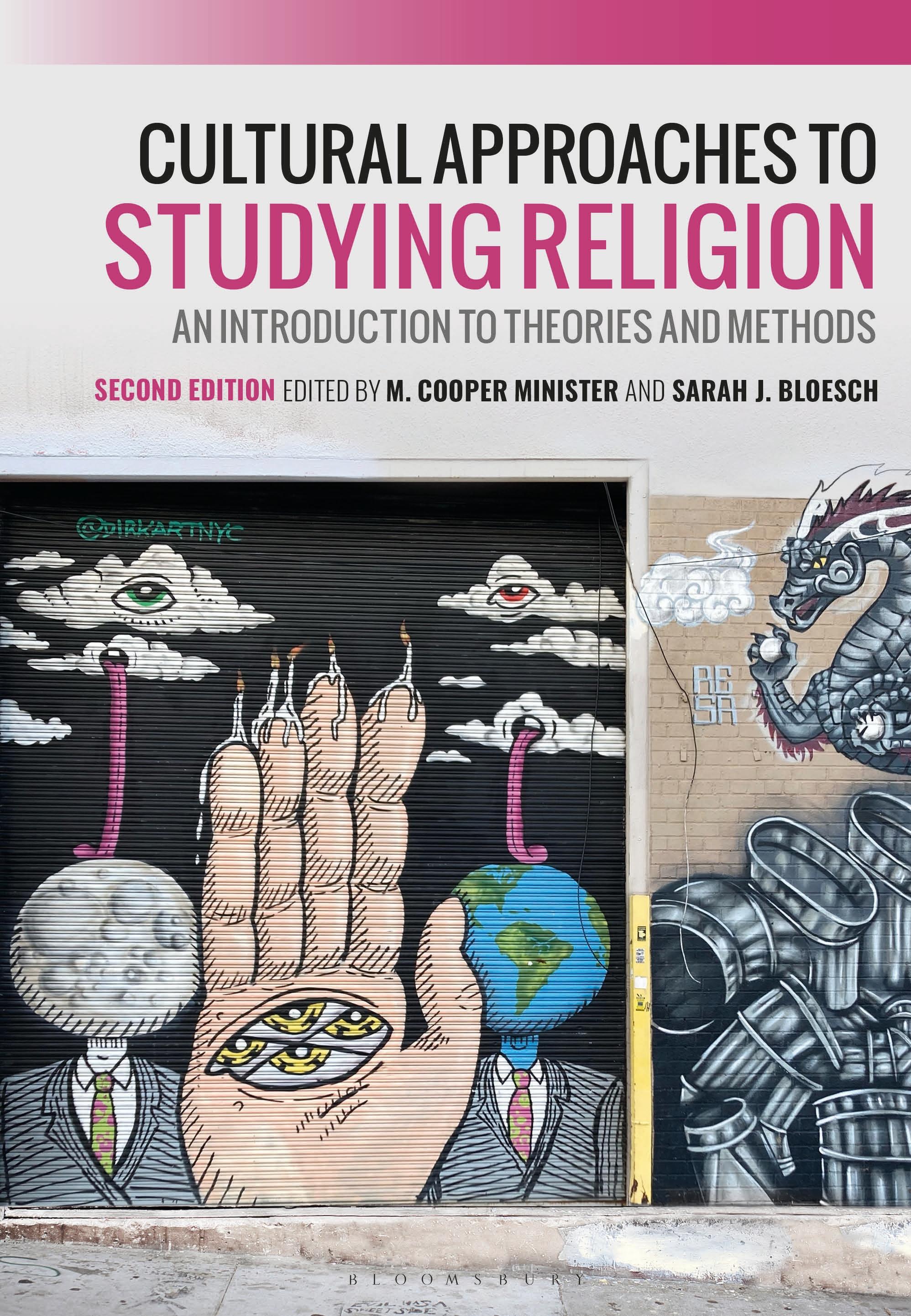
Examining the analytic tools of scholars in religious studies, as well as in related disciplines that have shaped the field, this updated textbook includes cultural approaches from anthropology, history, literature, and critical studies in race, sexuality, and gender.
Each chapter is written by a leading scholar and includes:
the biographical and historical context of each theorist
their approaches and key writings
analysis and evaluation of each theory
a list of key terms
suggested further reading
Part One: Comparative Approaches considers how major features such as taboo, texts, myths, and ritual work across religious traditions. This section explores the work of Mary Douglas, Phyllis Trible, Wendy Doniger, Catherine Bell and, new to this edition, Tomoko Masuzawa, whose contributions reveal the colonialist assumptions of the comparative, world religions model.
Part Two: Examining Particularities analyzes the comparative approach through the work of Alice Walker, Charles Long, and Caroline Walker Bynum, who all suggest that the specifics of race, body, place and time must be considered.
Part Three: Expanding Boundaries examines Gloria Anzaldúa's language of religion, as well as the work of
Judith Butler on performative, queer theories of religion, Saba Mahmood, whose work considers postcolonial religious encounters, secularism, and the relationship between “East” and “West”. New to this edition is Jasbir Puar's work on work on affect, gender, sexuality, and disability.
Along with a list of key terms, each section now includes an introduction highlighting the contributions of each thinker and their relation to previous theories that dominated the field.
Each chapter is written by a leading scholar and includes:
the biographical and historical context of each theorist
their approaches and key writings
analysis and evaluation of each theory
a list of key terms
suggested further reading
Part One: Comparative Approaches considers how major features such as taboo, texts, myths, and ritual work across religious traditions. This section explores the work of Mary Douglas, Phyllis Trible, Wendy Doniger, Catherine Bell and, new to this edition, Tomoko Masuzawa, whose contributions reveal the colonialist assumptions of the comparative, world religions model.
Part Two: Examining Particularities analyzes the comparative approach through the work of Alice Walker, Charles Long, and Caroline Walker Bynum, who all suggest that the specifics of race, body, place and time must be considered.
Part Three: Expanding Boundaries examines Gloria Anzaldúa's language of religion, as well as the work of
Judith Butler on performative, queer theories of religion, Saba Mahmood, whose work considers postcolonial religious encounters, secularism, and the relationship between “East” and “West”. New to this edition is Jasbir Puar's work on work on affect, gender, sexuality, and disability.
Along with a list of key terms, each section now includes an introduction highlighting the contributions of each thinker and their relation to previous theories that dominated the field.
Pagine: 264
Categoria: Religion & Teologi
e-ISBN: 9781350303126
Peso di spedizione: 1.2 kg
Spedito in: 1-2 giorni
Paga facilmente con carta, Klarna, Apple Pay o Google Pay. Non sei soddisfatto? Hai sempre 14 giorni per il rimborso. Leggi di più nei nostri termini. Per qualsiasi domanda, scrivici a hello@memmo.org.
Memmo rende lo studio più facile, ovunque tu sia nel mondo. Qui trovi i tuoi libri di testo e strumenti di studio intelligenti, tutto in un unico posto: riassunti, quiz, podcast e flashcard. E poi c'è Ted, il tuo compagno di studio che risponde a ogni tua domanda. Oltre 50.000 studenti studiano già qui: è stato creato per aiutarti a imparare più velocemente e a stressarti meno.