
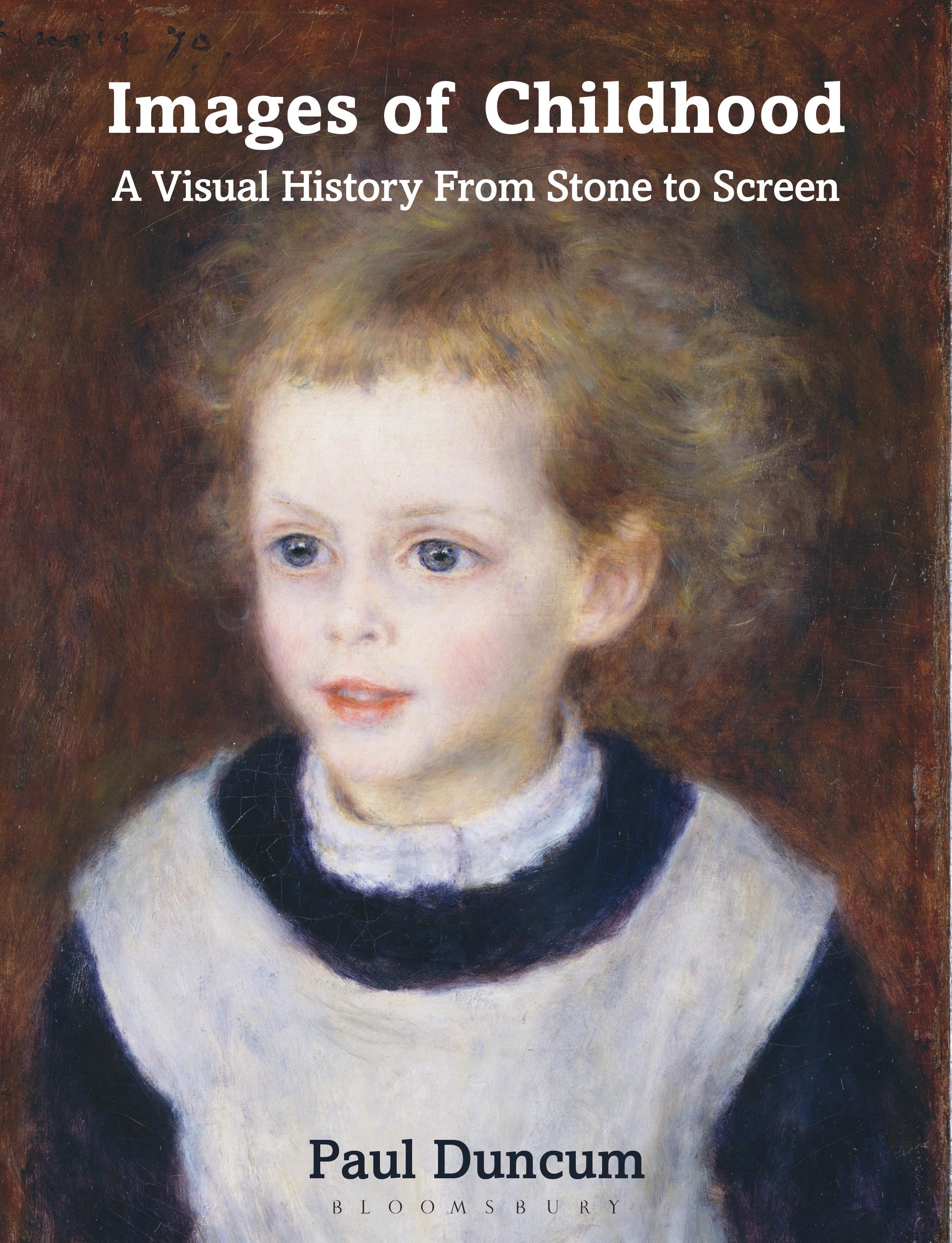
Drawing on a rich legacy of pictorial evidence, Images of Childhood examines historical constructions of childhood and how they reinforce or challenge the prevailing view of childhood as a state of innocence.
Each chapter explores how visual elements such as framing, points-of view, and lighting, as well as clothes, accessories, and body language, help to construct our many different conceptions of children: from members of the family unit and assumed gender roles; to schooling and aesthetic objects; through to their economic value and use in political propaganda.
Skillfully navigating a multitude of perspectives on this topic, Paul Duncum considers both how our ideas, beliefs and values have changed throughout history and how some have remained unchanged. He also explores the cultural notion of “the child within” and how this has contributed to the way adults perceive children. The result is a text far broader in scope than any other in its field, as art history is interweaved with contemporary popular culture to explore how we visually represent childhood. In doing so, the book highlights the real-life implications that these representations have on children's rights.
Each chapter explores how visual elements such as framing, points-of view, and lighting, as well as clothes, accessories, and body language, help to construct our many different conceptions of children: from members of the family unit and assumed gender roles; to schooling and aesthetic objects; through to their economic value and use in political propaganda.
Skillfully navigating a multitude of perspectives on this topic, Paul Duncum considers both how our ideas, beliefs and values have changed throughout history and how some have remained unchanged. He also explores the cultural notion of “the child within” and how this has contributed to the way adults perceive children. The result is a text far broader in scope than any other in its field, as art history is interweaved with contemporary popular culture to explore how we visually represent childhood. In doing so, the book highlights the real-life implications that these representations have on children's rights.
Paga facilmente con carta, Klarna, Apple Pay o Google Pay. Non sei soddisfatto? Hai sempre 14 giorni per il rimborso. Leggi di più nei nostri termini. Per qualsiasi domanda, scrivici a hello@memmo.org.
Memmo rende lo studio più facile, ovunque tu sia nel mondo. Qui trovi i tuoi libri di testo e strumenti di studio intelligenti, tutto in un unico posto: riassunti, quiz, podcast e flashcard. E poi c'è Ted, il tuo compagno di studio che risponde a ogni tua domanda. Oltre 50.000 studenti studiano già qui: è stato creato per aiutarti a imparare più velocemente e a stressarti meno.