
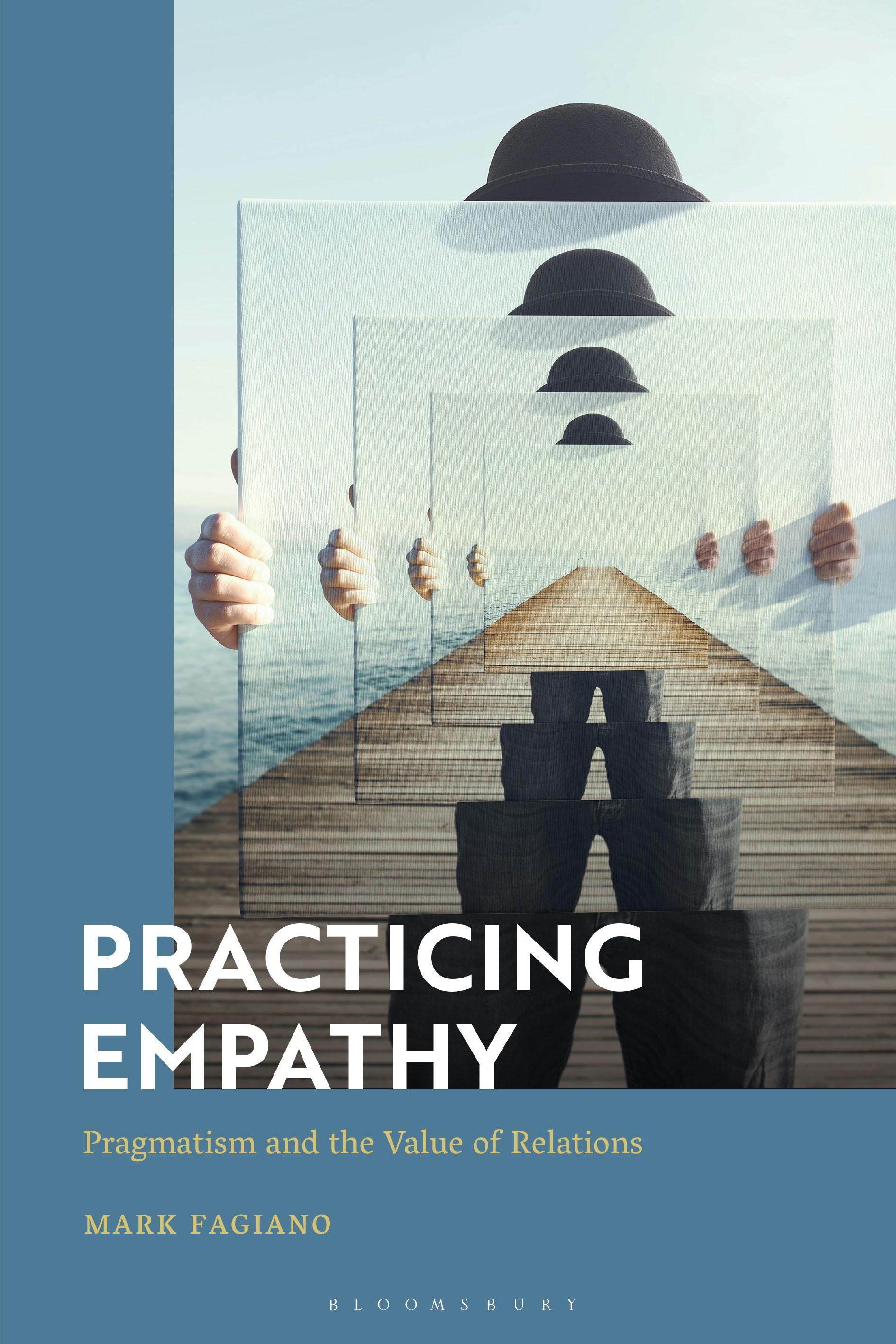
There is widespread disagreement over what constitutes an experience of empathy. In this study of its value and moral features, Mark Fagiano acknowledges the ambiguity surrounding the term and offers a unified theory of empathy that includes rival definitions.
His historical account of the multiple meanings of empathy lays the groundwork for a new philosophical theory. Based on relations, it resolves the problem of conflicting definitions of empathy by distinguishing between the three kinds of empathy: the relations of feeling into, feeling with, and feeling for, each of which has been defined historically as a type of empathy. Fagiano's unique focus on relations, on the modes and manner by which we are connected with things and with people, reveals a transactional account of empathy that can be applied to a variety of different contexts and social circumstances.
Grounded in the philosophical tradition of American Pragmatism, Fagiano's approach demonstrates the practical benefits of adopting a broad and pluralistic understanding of empathy as both an idea and a practice. His pragmatic and contextualist philosophy of empathy provides a valuable starting point for answering some of the most pressing questions surrounding empathy today, including can empathy be developed? Is empathy moral? What is the difference between empathy and sympathy?
His historical account of the multiple meanings of empathy lays the groundwork for a new philosophical theory. Based on relations, it resolves the problem of conflicting definitions of empathy by distinguishing between the three kinds of empathy: the relations of feeling into, feeling with, and feeling for, each of which has been defined historically as a type of empathy. Fagiano's unique focus on relations, on the modes and manner by which we are connected with things and with people, reveals a transactional account of empathy that can be applied to a variety of different contexts and social circumstances.
Grounded in the philosophical tradition of American Pragmatism, Fagiano's approach demonstrates the practical benefits of adopting a broad and pluralistic understanding of empathy as both an idea and a practice. His pragmatic and contextualist philosophy of empathy provides a valuable starting point for answering some of the most pressing questions surrounding empathy today, including can empathy be developed? Is empathy moral? What is the difference between empathy and sympathy?
Paga facilmente con carta, Klarna, Apple Pay o Google Pay. Non sei soddisfatto? Hai sempre 14 giorni per il rimborso. Leggi di più nei nostri termini. Per qualsiasi domanda, scrivici a hello@memmo.org.
Memmo rende lo studio più facile, ovunque tu sia nel mondo. Qui trovi i tuoi libri di testo e strumenti di studio intelligenti, tutto in un unico posto: riassunti, quiz, podcast e flashcard. E poi c'è Ted, il tuo compagno di studio che risponde a ogni tua domanda. Oltre 50.000 studenti studiano già qui: è stato creato per aiutarti a imparare più velocemente e a stressarti meno.